
SALLAH: Muslims Face Market Shock As Rams Hit N1.2m, Cows N2.5m
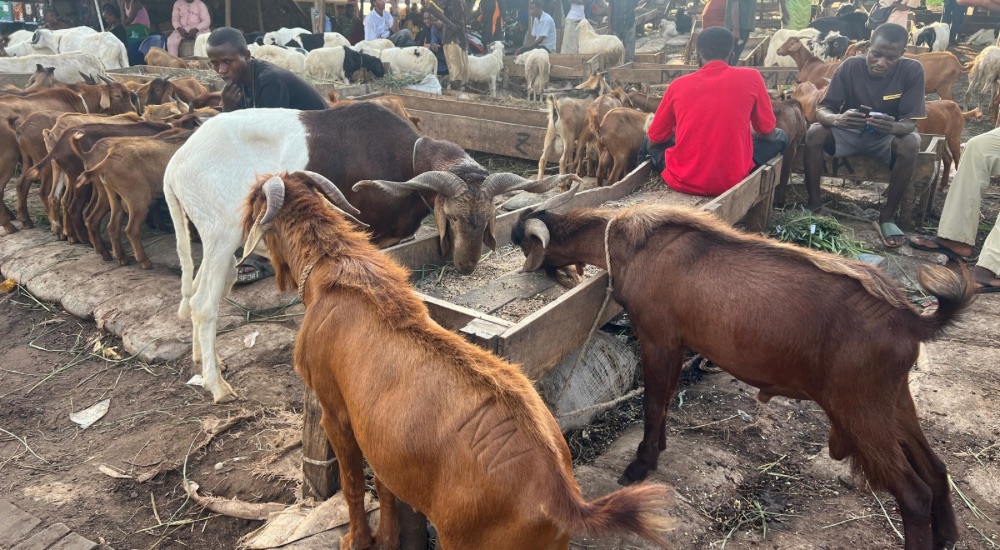
A market survey by THE WHISTLER across the FCT, Kano, Kaduna, Anambra, Enugu and Lagos indicates that rising livestock and food prices are forcing many Muslim families to cut spending ahead of this year’s Sallah celebration.
Eid-ul-Adha is one of the most important religious celebrations for Muslims across Nigeria and beyond. But THE WHISTLER’s survey indicates that many families may be forced to scale down plans as the prices of rams, cows and staple food items continue to climb.
The survey showed increases in the prices of livestock and food commodities compared to 2025, with traders and buyers blaming inflation, insecurity, transportation costs, fuel prices and supply shortages.
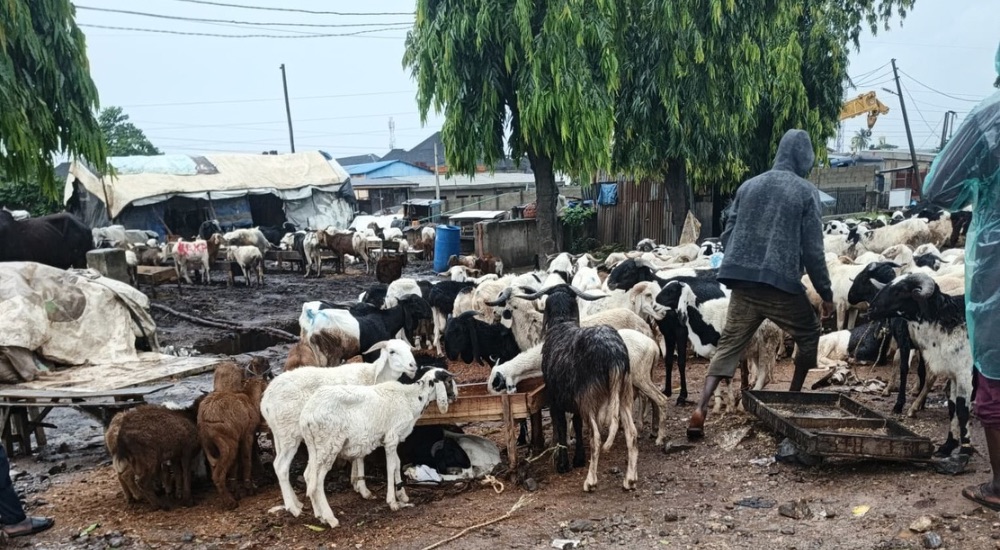
In some of the markets visited by our correspondents, rams sold for as high as N1.2m. Rams that sold for about N380,000 last Sallah are now priced as high as N700,000 in some stalls visited by our correspondents. Cows also crossed N2.5m in some markets. A bag of rice averaged N55,000.
Traders who spoke to THE WHISTLER said the price increases are affecting patronage despite the rush usually associated with the festive period.
Advertisement
ABUJA
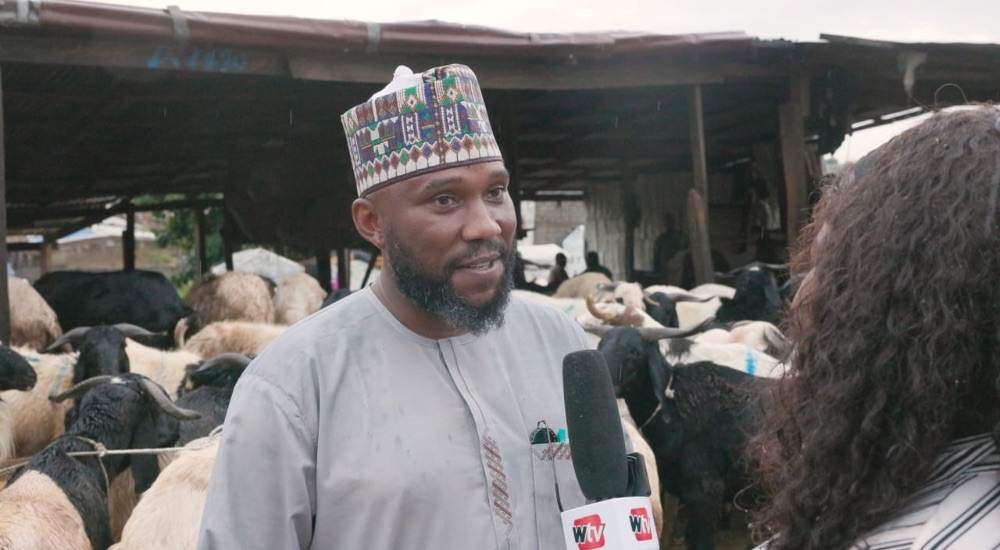
At the Kugbo Ram Market in Abuja, Kabiru Hassan, a ram seller who spoke in Hausa, said the prices this year had risen beyond what many buyers could afford.
“The price of rams ranges from N250,000, N350,000, N500,000, N600,000 and N1.2m.
“This year the price is high due to the cost of transportation; last year’s N300,000 rams are now N350,000.”
Another livestock dealer at the market, Sani Ibrahim, confirmed that many traders were struggling to sell because buyers no longer had the spending power they had last year.
Advertisement
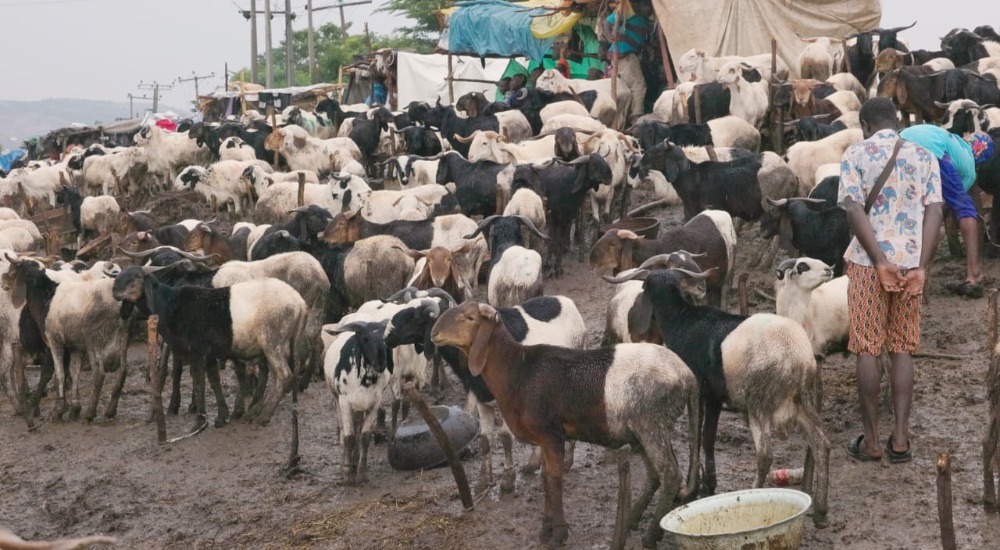
“The factors that cause it (rising cost) are from the leadership. There’s a huge difference in prices between the last year and now. The ram we are selling N1m now was N600,000 to N700,000.
“I came with over 30 rams, it was with grace I am able to sell only 3 rams for now. I have to slash the price to sell. The rams cost N1m but I later sold them at N700,000.
“We are calling on the government to look into the market issues and provide a solution to it.”
Buyers said the market reality has forced them to adjust budgets or change their plans.
Speaking with THE WHISTLER at Kugbo Market, Ibrahim Sediq, a civil servant, said his budget of N500,000 could no longer secure the size of ram he bought last year.
Advertisement
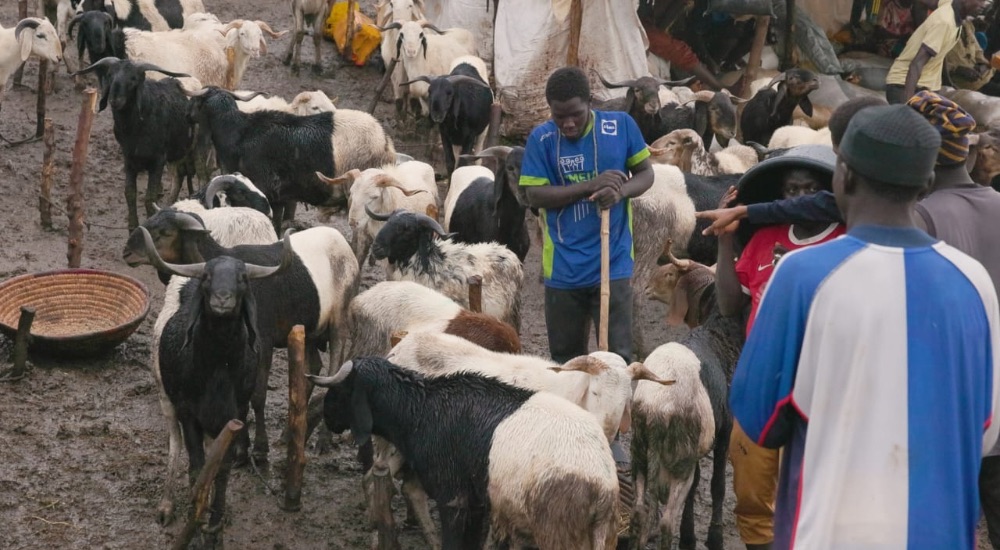
“If you look at all the rams here now, compared to this time last year, they’d have bought all of them. There’s no money. The one I bought last year was about N450,000.
“We are still bargaining. The high prices have affected my plan. My budget this year is N500,000 but the rams I’m seeing here are going for N600,000, N650,000 and N700,000.
“As you can see, the prices are high, that is why the market is not moving, because there’s no money.”
Another buyer, Mustapha Sheika, said although prices had increased, several factors were responsible for the rise.
“There’s a slight difference in this year compared to last year, yes, there’s an increase. Of course, last year we got it way cheaper than this year, but the change in price is not really very high. You can still get a good ram for around N300,000, N400,000, and N500,000.
“Based on my budget, I don’t plan to spend more than N400,000 on ram.”
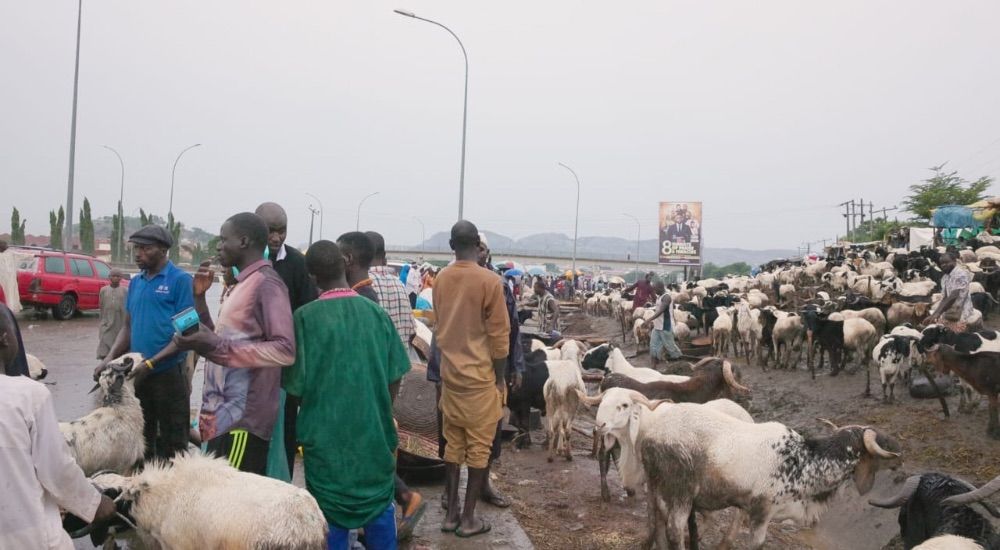
Sheika added, “…If you understand a lot of the factors that contribute to some of these increases in prices, you will not really be (angry), you will understand, you know, you’ll understand why there’s that price increase.
“Number one, of course, there’s insecurity, you know, this livestock, they are moved from the north to Abuja and all the way down to southern Nigeria. So, of course, where you source them, there’s a lot of insecurity there, that’s one.
“Again, there’s an increase in petrol prices. The cost of transportation has gone up, so it also affects the prices.
“Then, by extension, there’s an increase in the prices of feed, which is also affected by some other factors that I mentioned earlier. So by and large, that’s what affected the increase in prices.”
At the same market, Okpe Emmanuel, a staff member of the Animal Husbandry Services under the Agricultural and Rural Development Secretariat (ARDS), Federal Capital Territory Administration (FCTA), said the restriction on livestock movement from Niger Republic had also contributed to the increase.
“The reasons why prices went up are many. What we heard was that the president of the Niger Republic refused rams or animals to cross the border.
“So the border has been closed for animals coming to Nigeria except the ones being smuggled in or the ones we already have.
“The species of rams are different. The types that come from Niger are the Uda and the Balami, which you can see some of them here, are not as many as compared to previous years.”
He also mentioned rising transportation and fuel costs.
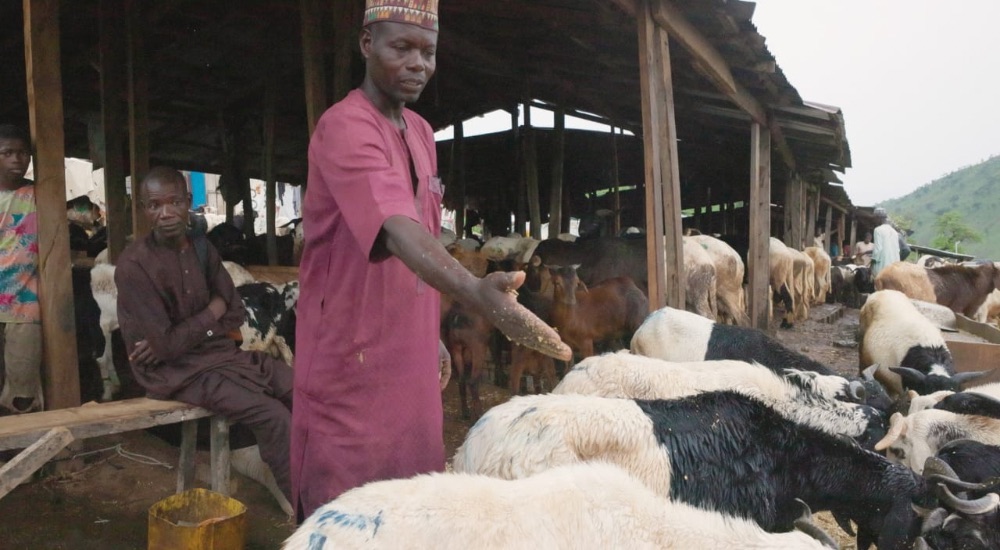
“Also, the sellers transport the livestock from far away down here. The price of a single ram on transit is higher than the previous year.
“Last year, it was like N500 but this year I think it’s over a thousand just to transport a ram, not to talk of feeding along the way.
“The other factor is because of the fuel. Because of the war in Iran, the prices of fuel went up. So the price of everything, even medication, also went up.
“So if the prices of things go up like this, definitely the prices of the ram itself as a product will go up.”
Emmanuel, who supervises animal health checks at the market, said only healthy animals are allowed for sale.
“I was posted here to make sure all animals sold in this market are fit for human consumption.
“So we check for diseases of animals, whether they have them or not. We also see that they are treated and then kept, not to be given to people to eat.”
He said officials examine animals for signs of disease including discharge from the eyes, nose and mouth, dehydration, dysentery and feeding behaviour before certifying them fit for consumption.
KANO, KADUNA
At the livestock trading centre at Hauran Wanki in Kano, some sellers arrived from Jigawa State, with transportation costs already reflected in their prices.
Suleiman Garba, a ram seller who travelled from Kazaure in Jigawa State, said the cost of keeping and transporting livestock had risen sharply.
“The cost of feeding these rams for months, hiring a truck to bring them here, and the price of fuel, everything has gone up. If I sell below this price, I go home at a loss,” he told THE WHISTLER.
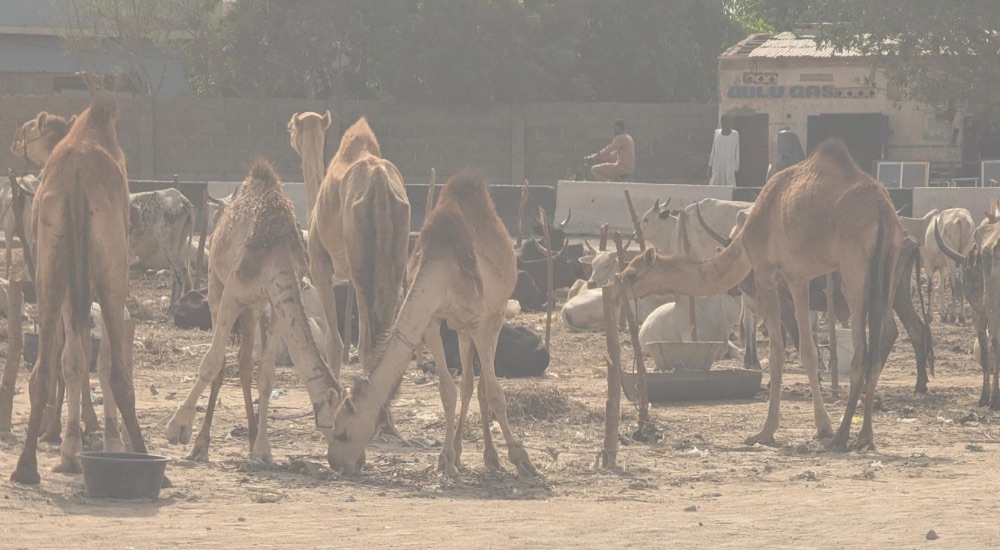
Nearby, Musa Tukur, a father of six, walked away from a negotiation after a seller demanded N700,000 for a ram he considered average in size.
“Last year I bought a ram of this same size for N380,000. Today they are telling me seven hundred thousand. How do ordinary people celebrate Sallah at this rate?” he asked.
Findings by THE WHISTLER showed that small and medium-sized rams in Kano and Kaduna currently sell between N350,000 and N500,000, while larger breeds go for as much as N1m. Cow prices were higher.
At Zango Market in Kaduna, cows sold between N1.2m and N2.5m depending on size and breed.
A cattle dealer, Mallam Ibrahim Yusuf, said transportation alone cost him over N150,000 after moving three cows from Plateau State.
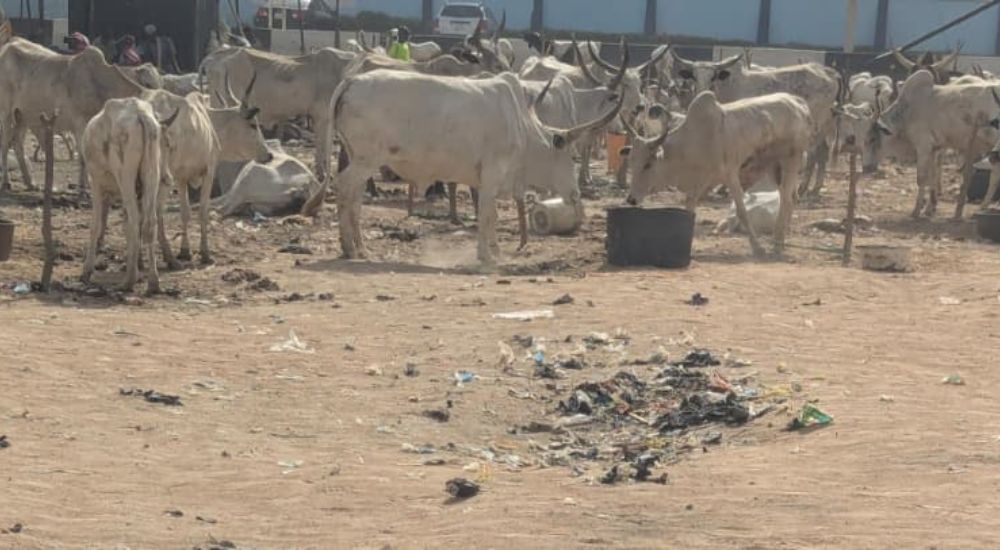
“I spent over N150,000 on transportation alone for these three cows. The road is not safe, the checkpoints are many and every one of them costs money. By the time the animal reaches the market, the price has already been built into him,” Yusuf said.
A wholesale buyer, Hajiya Rakiya Abdullahi, said purchasing power had weakened significantly compared to last year.
“What N2m buys you today is what N1.2m bought last Sallah. The sellers know we must buy, so they hold firm on their prices,” she said.
The rise in prices extends beyond livestock.
At Singer Market in Kano, a 50kg bag of rice sold between N45,000 and N55,000 depending whether it is local or foreign.
Fatima Usman, a rice trader, said transport costs from the mills had pushed prices upward.
“The bags production now arrives at a higher landing cost than before. We are not cheating customers, we are simply passing on what we paid,” she said.
One of her customers, Aisha Bello, said the increase had disrupted her budget for the celebration.
“I budgeted N40,000 for a bag of rice and they are telling me N50,000. That N10,000 is somebody’s transport fare,” she said.
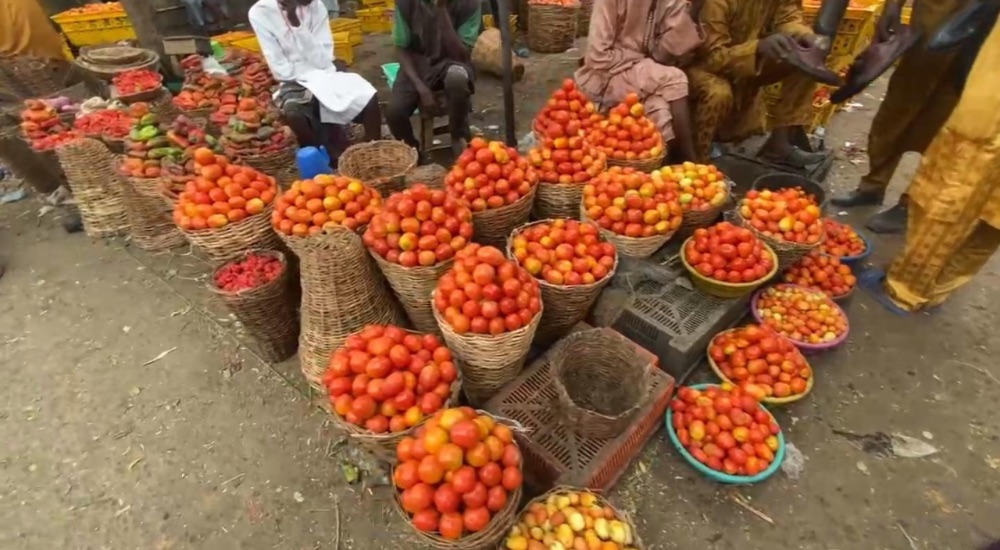
At Yankaba Market in Kano, a basket of tomatoes sold between N50,000 and N60,000.
Umar Dankano, a tomato wholesaler, said fresh items were sold almost as soon as they arrived.
“Buyers know the difference between tomatoes that came today and those that have been sitting since yesterday. The fresh ones go for N60,000 and nobody argues,” he said.
A food vendor, Hajiya Bilkisu Musa, said small business owners were finding it difficult to absorb the increase without transferring the burden to customers.
“I cannot increase my prices every week because my customers are also suffering. But I also cannot absorb these market prices alone. Something has to give,” she said.
ANAMBRA
In Anambra State, traders said prices had increased moderately compared to what was recorded in parts of northern Nigeria.
At Eke Awka Market, a bag of beans sold for N110,000, while foreign rice sold between N55,000 and N60,000. Local rice sold between N35,000 and N40,000.
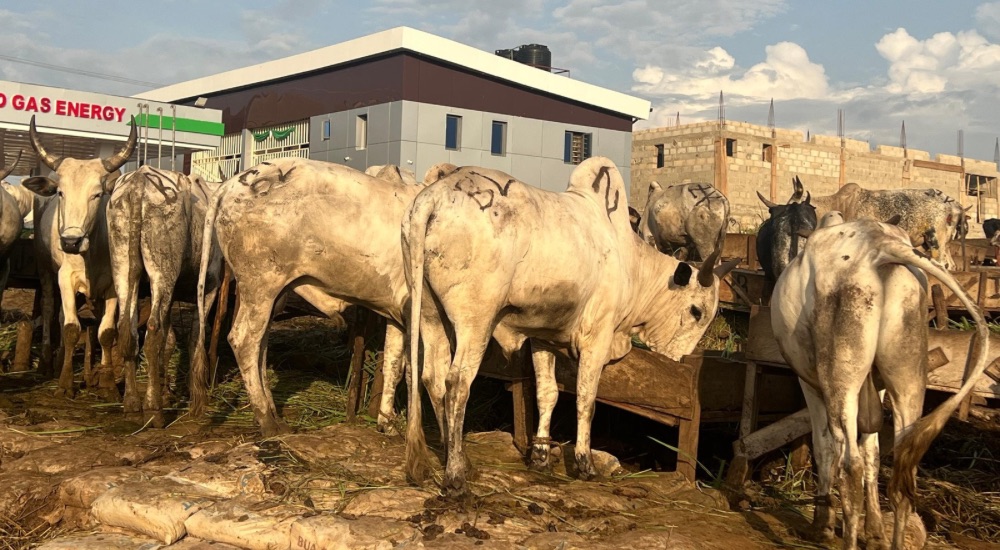
The Chairman of the Anambra State Cattle Market, Bello Maugeri, told our correspondent that ram prices had risen by about N50,000 compared to 2025.
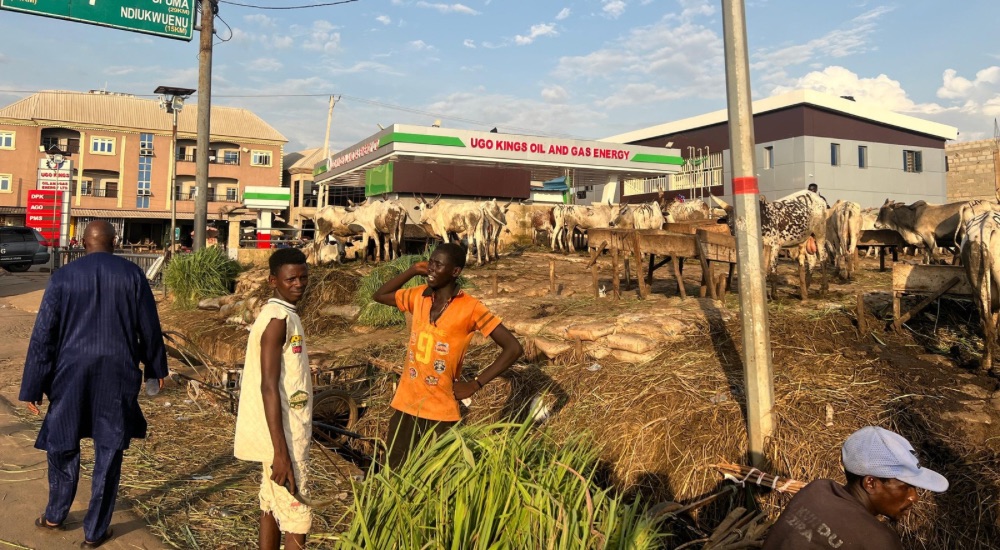
“The purchase of Ram Livestock is usually high during the Sallah celebration.
“The biggest ram we have varies from N350,000 to N400,000, with the least at about N250,000. When compared to 2025, we have only recorded a N50,000 increase from previous prices.”
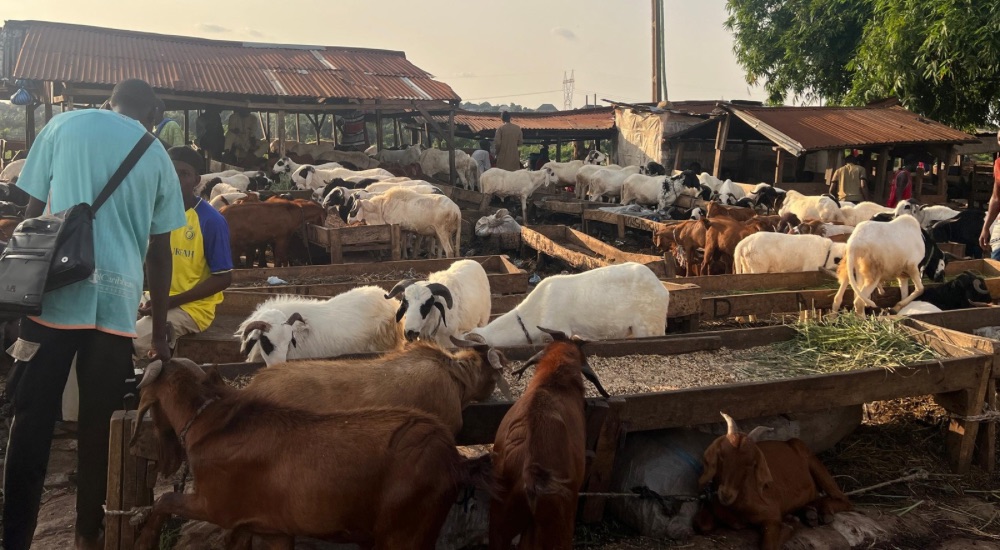
He said goats were less affected because they are not usually associated with Sallah celebrations in the state.
“For goats, there is usually no traffic during Sallah. No one buys goats for this celebration, so the prices remain stable.
“The least goat of presentable size is N150,000 while the highest goats are N350,000 and N400,000 respectively.”
According to him, cows in the state are mostly purchased for burials, marriages and title ceremonies rather than Sallah celebrations.
“The Salah Celebration does not really impact the prices of cows here because most of the big dealers make efforts to sell off their livestock and travel for the Sallah Celebration.
“This is why the ranch is currently scanty.”
He added that transportation remained the main reason behind the increase in cattle prices.
“However, if you compare the price to 2025, there has been a N100,000 gap. A Cow worth N1.3m last year is now N1.4m in 2026.
“The underlying factor for such a hike is transportation, beyond that, the prices are sometimes stable.“
ENUGU
In Enugu State, traders said garri had become more expensive due to reduced cassava cultivation.
Mrs. Maureen Ogbuh, a food seller at Ogbete Market, said a painter of garri which once sold below N1,000 now sold around N2,000.
“Garri is becoming scarce,” she told THE WHISTLER
“There was a time it was below N1,000. Two years ago, many people cultivated cassava, and there was much garri in the market. They lost a lot.
“Last year, many people abandoned cassava plantation. That is why it is becoming scarce in this part of the country.”
But while garri sellers dealt with scarcity, tomato farmers in parts of Enugu said oversupply was forcing them into losses.
A farmer, Nwam Nnamdi, said buyers from cities such as Aba, Port Harcourt and Onitsha were no longer coming in large numbers.
“We are losing a lot. Tomatoes are cultivated abundantly at some parts of the state, like Aninri, Nsukka, Awgu, Ezeagu and Akpugo.
“We have started harvesting, but buyers from Aba, Port-Harcourt and Onitsha have not started coming to buy from us. The supply is more than the demand.
“So there are cases of unsold tomatoes. If you check, there are much waste because it is perishable.”
At New Market in Enugu, Moses Arum, a trader, said a tin of rice had risen to N20,000 from N16,000, while a 100kg bag of beans now sold for N120,000.
“The cost of foodstuffs in this region is determined by supplies from the North. Of late, there have been reduced supplies from the far North, and it is affecting us down here,” he said.
Cow dealer Mallam Isa said residents in Enugu now preferred pork and chicken because beef had become expensive.
“Residents do not patronise us much for their daily meat consumption. They complain of the cost. They buy more of pork and chicken than beef,” he said.
He added that some rams now sold for as much as N500,000.
LAGOS
In Lagos, food prices also increased ahead of the celebration.
At Ilepo Market, a big basket of tomatoes sold between N135,000 and N140,000 compared to less than N100,000 in March.
A crate of tomatoes sold for N35,000, while a small bucket of pepper sold between N5,000 and N6,000. A bucket of onions sold for N5,000.
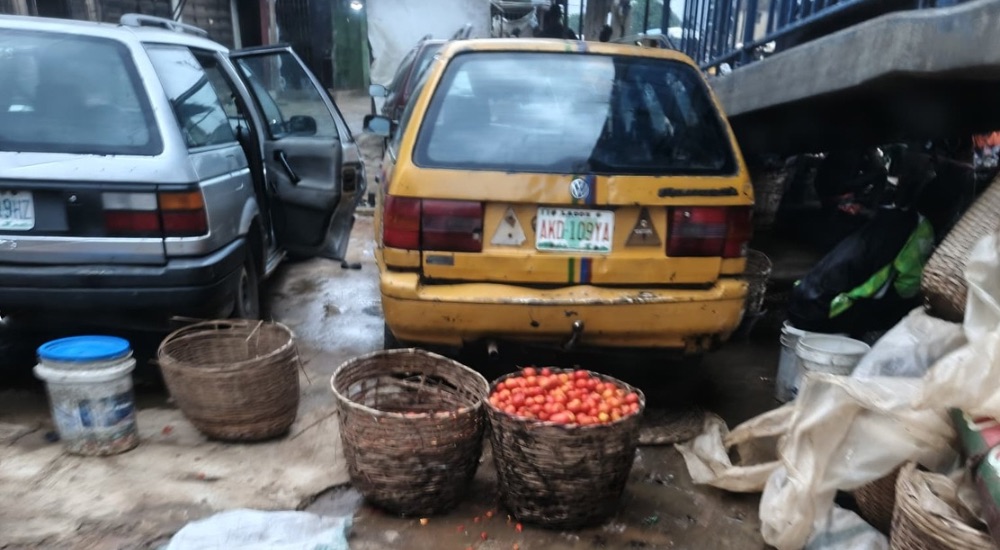
A bag of beans sold for N57,000, while rice sold between N53,000 and N58,000.
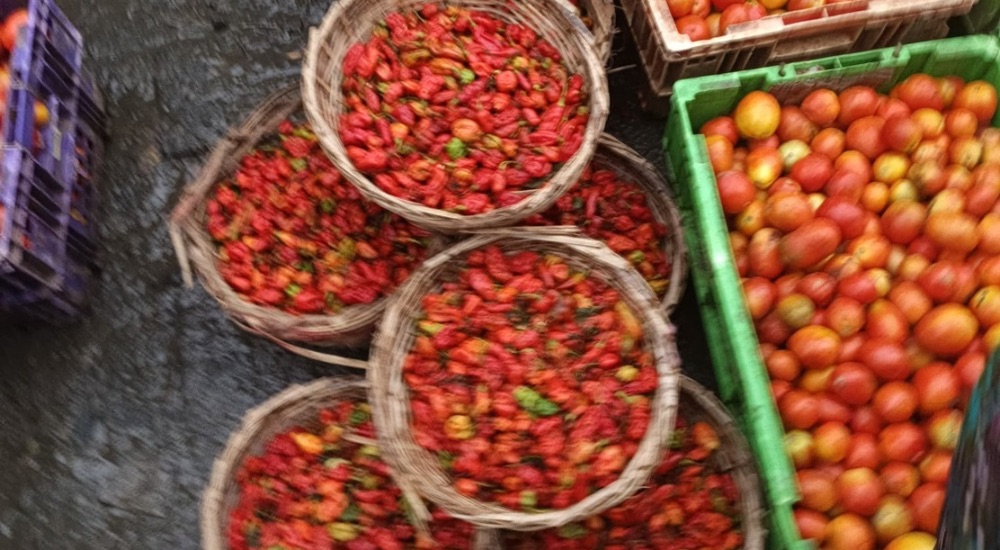
Traders linked the increases to transportation costs, festive demand and supply challenges.
At the Ahmadiyya livestock market, rams sold between N300,000 and N350,000, while cows sold between N2m and N2.4m.
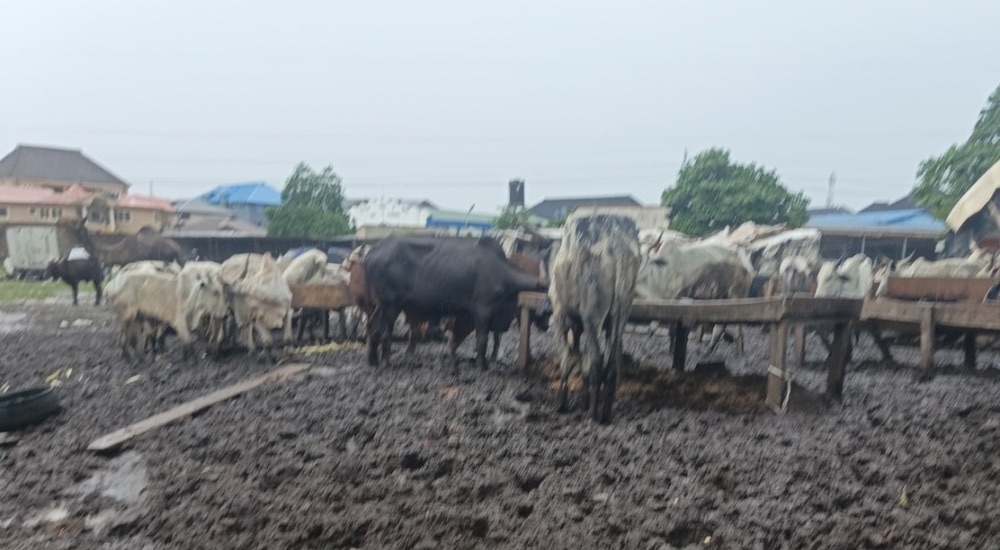
Livestock sellers at the market blamed transportation expenses, feeding costs and the rising cost of sourcing animals from northern Nigeria and neighbouring countries.
-Tayo OLU, Chinedu AROH, Nneoma IKEH, Chidinma ONWUCHEKWA, Ikenna OMEJE, Lukman ABDULMALIK.