Bulgarian Prime Minister Resigns After Mass Protests
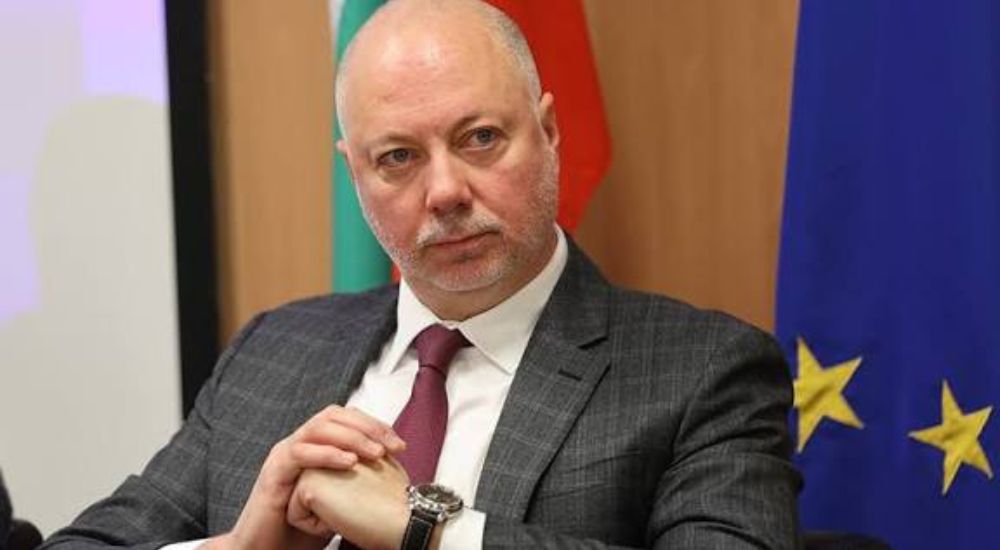
Bulgarian Prime Minister Rosen Zhelyazkov on Thursday resigned after weeks of street protests over economic policies and anger at alleged persistent failure to confront corruption.
Zhelyazkov announced his decision in a televised address, delivered just minutes before lawmakers were set to vote on a no-confidence motion. The move comes as Bulgaria prepares to join the euro zone on January 1, 2026.
“Our coalition met, we discussed the current situation, the challenges before us and the decisions we must responsibly make. Our desire is to meet society’s expectations. Power stems from the voice of the people,” he said.
His resignation follows nationwide demonstrations on Wednesday, with thousands gathering in the capital Sofia and in towns across the country. The protests have shown deep frustration with corruption and successive governments’ inability to address it.
Last week, Zhelyazkov’s cabinet withdrew its 2026 budget proposal, the first to be drafted in euros, after critics objected to planned increases in social security contributions and taxes on dividends intended to support higher state spending.
Despite this, demonstrations have continued in a nation that has held seven elections in four years, most recently in October 2024.
Advertisement
Bulgarian President Rumen Radev had earlier urged the government to step down. Reiterating his call on Thursday, he told lawmakers: “Between the voice of the people and the fear of the mafia, listen to the public squares!”
Radev, whose constitutional powers are limited, will now invite parliamentary parties to attempt to form a new government. If they fail, he is expected to appoint an interim administration to steer the country toward new elections.