Clerics Need AI Skills To Unite Nigerians, Says Sokoto Govt
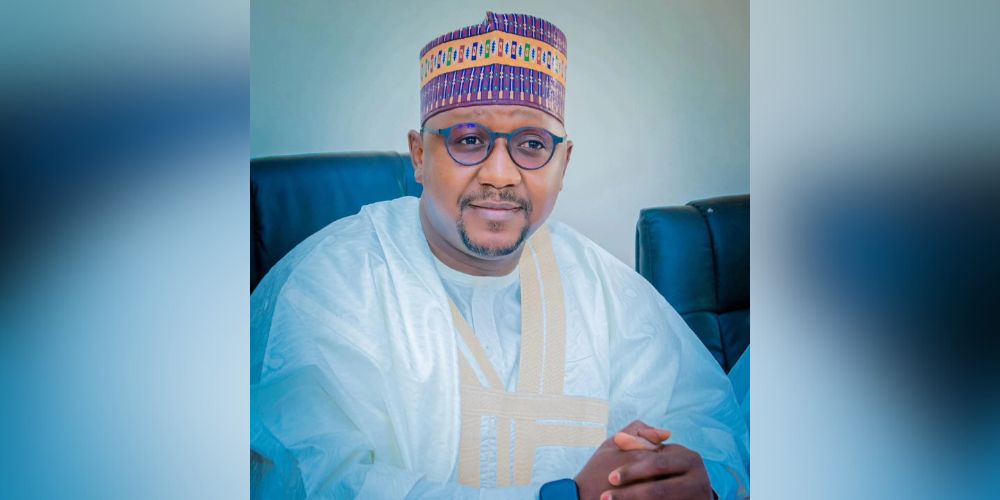
The Sokoto State Commissioner for Innovation and Digital Economy Bashar Umar Kwabo has said that the growing misuse of artificial intelligence, deepfakes and social media misinformation poses a serious threat to peace and unity, stressing that targeted digital literacy training for religious clerics remains one of the most effective responses to the challenge.
Speaking at a two-day workshop on “Combatting False Narratives and Promoting Media Literacy”, organised by Alkalanci in collaboration with the Ministry of Religious Affairs, the Commissioner noted that Nigeria’s highly polarised social media space has increasingly been weaponised to pit communities against one another.
“In a society like Nigeria, where social media conversations can easily set people at loggerheads, this kind of training is not optional but it is necessary, fundamentally, what this programme will achieve is to unite Nigerians rather than divide them.”
He explained that the training was designed to help clerics understand how artificial intelligence tools including deepfake videos, manipulated audio clips and AI-generated images are being used to spread false narratives capable of deceiving even respected religious leaders.
He added that AI has made misinformation more sophisticated. “Today, false content can be produced in ways that look very real and convincing”
Advertisement
He warned that If clerics are not equipped to identify these dangers, they can be unknowingly misled and, worse still, pass such information to their followers
According to him, the involvement of Islamic clerics in the training was deliberate, given their strong influence and credibility within northern communities. “Our clerics have an audience that even journalists sometimes do not have. What they say is often accepted and acted upon. By training them, we are training the trainers, and that is how we reach the grassroots effectively.”
The Commissioner also highlighted his ministry’s broader efforts to reduce online tension in Sokoto State, particularly through sensitisation, digital awareness campaigns and regulatory frameworks addressing cyberbullying, cyberstalking and other forms of online abuse.
“It is part of our mandate not only to build a thriving digital economy, but also to educate citizens on the implications of abusing digital platforms, since the emergence of this administration, we have taken concrete steps to address these issues, and we are already recording a reduction in digital-related crimes across the state.”
He added that the collaboration with the Ministry of Religious Affairs and Alkalanci demonstrates the Sokoto State Government’s commitment to tackling security and peacebuilding challenges beyond physical infrastructure.
Advertisement
“This government understands that peace is not built by roads and buildings alone. It is built by minds that are informed, enlightened and resilient to manipulation,” he said.
Also speaking at the event, the Commissioner for Religious Affairs, Associate Professor Jabir Mai Hula, said the programme was aimed at countering false narratives, improving media literacy and de-radicalising harmful interpretations through education and engagement.
“When clerics are enlightened and given the right tools, they begin to contextualise their knowledge with contemporary realities. This helps in de-radicalisation and promotes peaceful coexistence,” he explained.
The training, which brought together Islamic scholars from Sokoto State and neighbouring Niger Republic, focuses on identifying misinformation, understanding AI-driven deception, and promoting responsible communication among religious leaders.
Organisers said the Sokoto workshop builds on a similar initiative previously held in Kano and is expected to be expanded to other states across Nigeria.