
FG Expands Emergency Healthcare To 34 States
The Federal Government has announced the expansion of the National Emergency Medical Service and Ambulance System (NEMSAS) to 34 states to strengthen emergency and intensive care services through sustainable healthcare financing, improved infrastructure and wider health insurance coverage.
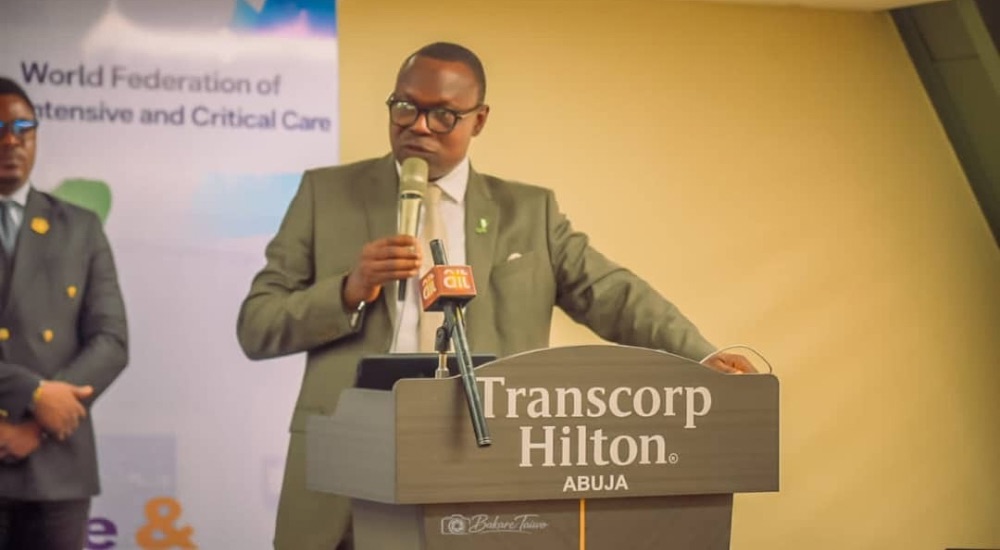
The Minister of State for Health and Social Welfare, Dr. Iziaq Salako, disclosed this on Wednesday while declaring open the 11th Annual Scientific Conference and Annual General Meeting of the Intensive and Critical Care Society of Nigeria (I-CCSN) in Abuja.
The Assistant Director of Information and Public Relations, Ado Bako, conveyed this in a statement on Wednesday.
According to him, Salako spoke on the theme, “Sustainable Financing for Intensive Care in Public Hospitals in Nigeria,” stressing that access to quality intensive care remains essential to saving lives and protecting families from the financial burden associated with critical illnesses.
He said the Federal Government considers emergency and critical care a vital component of a resilient health system capable of advancing universal health coverage, improving health outcomes and strengthening national health security.
Advertisement
The minister noted that intensive care services require significant investment in specialised infrastructure, modern equipment, medical oxygen systems, skilled healthcare professionals, reliable utilities, diagnostic services and biomedical engineering support.
He expressed concern over the heavy reliance on out-of-pocket healthcare spending, warning that many Nigerian families are pushed into financial hardship when faced with the cost of critical illness.
According to him, the expansion of NEMSAS from its pilot phase in the Federal Capital Territory to 34 states is one of the government’s flagship interventions to improve emergency healthcare delivery, with efforts underway to achieve nationwide coverage.
Salako added that the government is also implementing complementary programmes to strengthen maternal and newborn care, expand healthcare financing and improve service delivery, stressing that these initiatives must be integrated with ambulance services, intensive care units, operating theatres, medical oxygen systems, rehabilitation services and health insurance schemes.
He called for stronger collaboration among the Federal Government, state governments, healthcare institutions, professional bodies, academic and research institutions, development partners, civil society organisations and the private sector to build a sustainable critical care system.
Advertisement
The minister also stressed the need to expand the healthcare workforce by training more intensive care physicians, nurses, physiotherapists, pharmacists, biomedical engineers and other specialists through fellowship programmes and continuous professional development.
He said the government remains committed to strengthening medical oxygen systems, noting that Pressure Swing Adsorption (PSA) oxygen plants have already been installed in several health facilities following lessons from the COVID-19 pandemic.
Salako further advocated stronger referral systems, regional critical care networks, digital health technologies and tele-critical care services to improve access to quality care across the country.
Earlier, chairman of the conference’s Local Organising Committee, Dr. Harrison Nwogu, said participants would examine the causes of chronic underfunding of intensive care units and explore innovative financing options, including public-private partnerships, health insurance integration and diaspora investments.
Chairman of the occasion, the CMD of Zenith Medical and Kidney Center, Dr. Olalekan Olutesi, urged wealthy Nigerians to invest in the health sector, suggesting tax incentives to encourage private investment.
Delivering the keynote address, Professor Tamuno-Ojuemi Ogaji called for a sustainable financing model that guarantees access to intensive care regardless of patients’ financial status.
Advertisement
He identified inadequate infrastructure, equipment shortages, insufficient consumables and unstable electricity supply as major challenges facing critical care services.
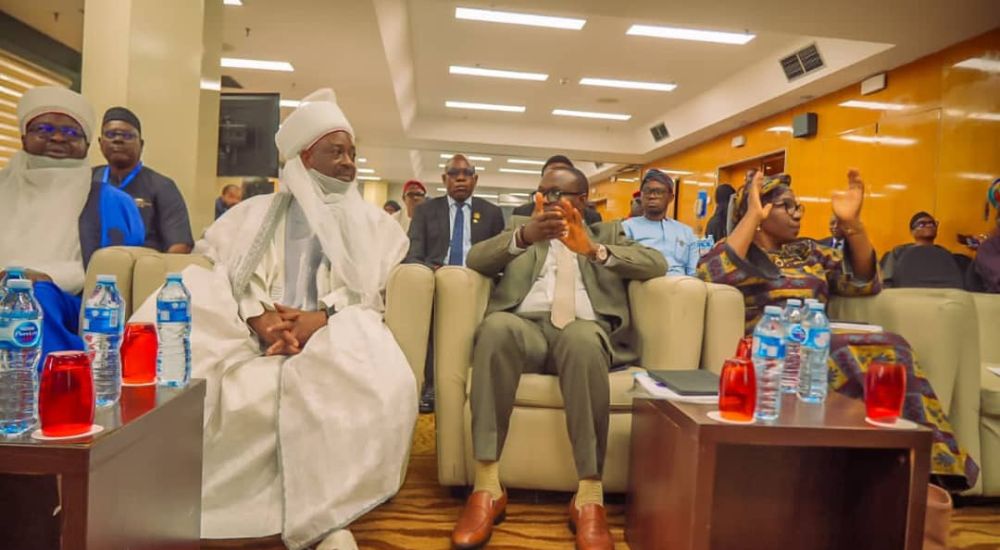
Also speaking, the Emir of Wase, Dr. Muhammadu Haruna, who represented the Emir of Tula, Dr. Abubakar Buba, described intensive care as a matter of humanity, equity and national development, stressing that it affects every family and community in Nigeria.