Museveni Wins Seventh Term, Extends 40-Year Rule In Uganda
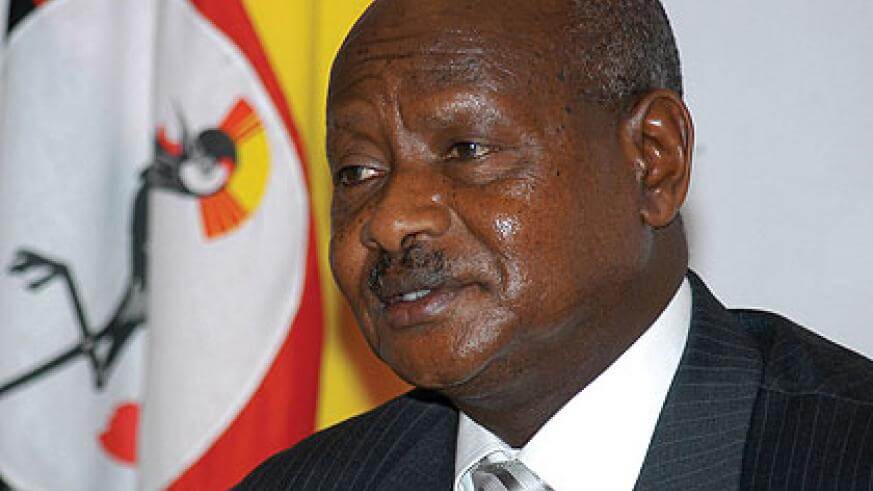
Ugandan President Yoweri Museveni has secured a seventh term in office following a controversial election.
This will extend his four-decade grip on power in the East African nation.
The Electoral Commission on Saturday declared Museveni, 81, winner of Thursday’s presidential poll with 71.65 per cent of the vote. His closest challenger, opposition leader Bobi Wine, polled 24.72 per cent, according to official results.
Museveni’s win extends his rule, which began when he took power in 1986, and has long been criticised for weakening democracy and suppressing opposition voices.
According to AFP, the election was marked by reports of intimidation, abductions and at least 10 deaths linked to poll-related violence.
African election observers said such incidents had instilled fear among voters and undermined confidence in the electoral process.
Advertisement
Bobi Wine, 43, a former musician-turned-politician whose real name is Robert Kyagulanyi, rejected the outcome, describing the results as “fake”.
He said he went into hiding after security forces raided his residence on Friday night.
“I want to confirm that I managed to escape from them,” Wine wrote on X on Saturday, adding that his wife and other family members remained under house arrest.
“I know that these criminals are looking for me everywhere and I am trying my best to keep safe,” he said.
Wine has faced immense pressure since entering politics, including repeated arrests ahead of his first presidential bid in 2021.
Advertisement
During the latest campaign, he accused authorities of massive election rigging and of targeting opposition figures during an internet blackout imposed before the polls and still in effect on Saturday.
Police denied raiding Wine’s home, saying instead that security forces had “controlled access” in areas considered security hotspots.
Police spokesman Kituuma Rusoke said authorities could not tolerate the use of the opposition leader’s residence to “incite violence”.
There was also a police deployment across the capital Kampala as authorities sought to prevent protests similar to recent unrest in neighbouring Kenya and Tanzania.
African election observers said they found no evidence of rigging but condemned reports of intimidation, arrests and abductions targeting opposition figures and civil society groups.
Nigeria’s former president Goodluck Jonathan, leading observer missions from the African Union, COMESA and IGAD, said such actions had eroded public trust in the process.
Advertisement
Jonathan added that the internet shutdown disrupted effective observation and increased public suspicion, though he described election day itself as largely peaceful.
Provisional parliamentary results showed Museveni’s ruling National Resistance Movement maintaining a commanding lead, with vote counting still ongoing.
Over the years, major challengers have been systematically weakened. AFP reports that another prominent opposition figure, Kizza Besigye, who contested the presidency four times, was abducted in Kenya in 2024 and returned to Uganda to face an ongoing treason trial before a military court.
However, reports of violence continued to emerge after the voting process. Muwanga Kivumbi, a lawmaker from Wine’s party, alleged that security forces killed 10 of his campaign agents after storming his home in central Uganda.
Police disputed the claim, saying an unspecified number of people were neutralised while attempting to attack a collation centre and police station.