No Plans To Execute Protesters, Says Iran Judiciary
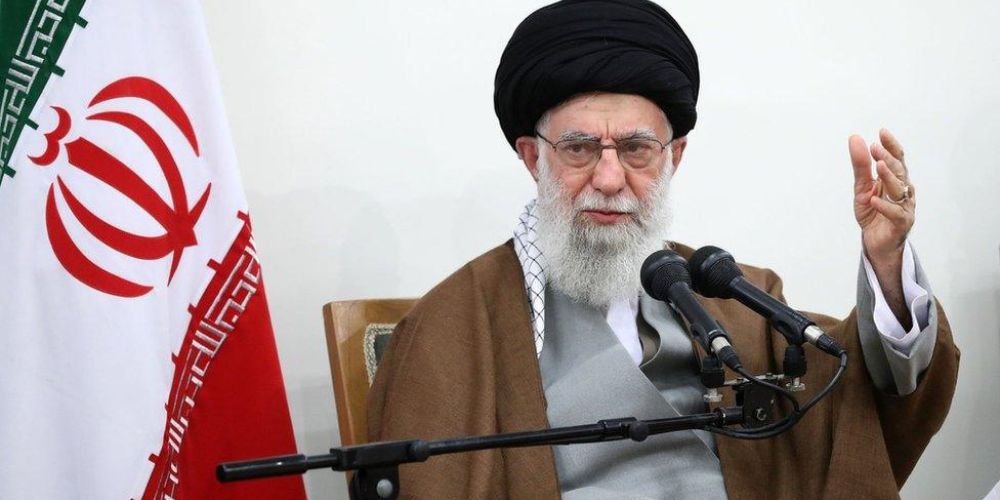
Iran’s judiciary has denied reports that it plans to order the execution of protesters arrested during the country’s latest wave of unrest.
The denial follows reports by Norway-based Kurdish human rights group Hengaw that the family of Erfan Soltani, 26, had been told he would be executed just days after his arrest.
Hengaw later said the execution had been “postponed” but warned that serious concerns for his safety remained.
Responding, Iran’s judiciary said Soltani is facing charges of “colluding against national security” and “propaganda activities against the establishment” — offences that, it said, do not carry the death penalty.
State broadcaster IRIB quoted officials describing foreign media reports of an execution plan as “fabricated”.
Foreign Minister Abbas Araghchi, on his part, said there was “no plan” to carry out executions.
Advertisement
His comments came after President Donald Trump warned that the United States would take “very strong action” if Iran executed detained protesters.
Trump later told reporters he had been informed by “very important sources” that “the killing in Iran is stopping, and there’s no plan for executions”.
Despite the assurances, rights groups remain deeply concerned. Hengaw told the BBC that Soltani has not been allowed access to a lawyer and that his family has not received any official documentation of the charges against him.
Soltani, a clothes shop owner, was reportedly arrested at his home last Thursday in connection with protests in the northern city of Fardis, west of the capital, Tehran.
Iranian authorities, however, say he was detained during “riots” on Saturday and is being held in a prison in the nearby city of Karaj.
Advertisement
Iran’s chief justice, Gholam-Hossein Mohseni-Ejei, had called for swift trials and punishment for those arrested during the unrest.
In a video statement, he said people accused of violent acts during the protests must face rapid justice, arguing that delays would weaken the impact of enforcement.
The demonstrations began with strikes by shopkeepers in Tehran over rising living costs and the fall in the national currency.
The protests quickly spread nationwide and evolved into an opposition to Iran’s clerical leadership, including the Supreme Leader, Ayatollah Ali Khamenei.
Authorities responded with a heavy security presence and restrictions on communications and internet use.
According to the US-based Human Rights Activists News Agency (HRANA), at least 2,435 protesters have been killed since the unrest began, along with 13 children and 153 members of the security forces or government-linked groups.
Advertisement
The organisation also reports that more than 18,000 people have been arrested.