Oil Resumption: Rights Advocate Seeks Equitable FG Appointments In Ogoni
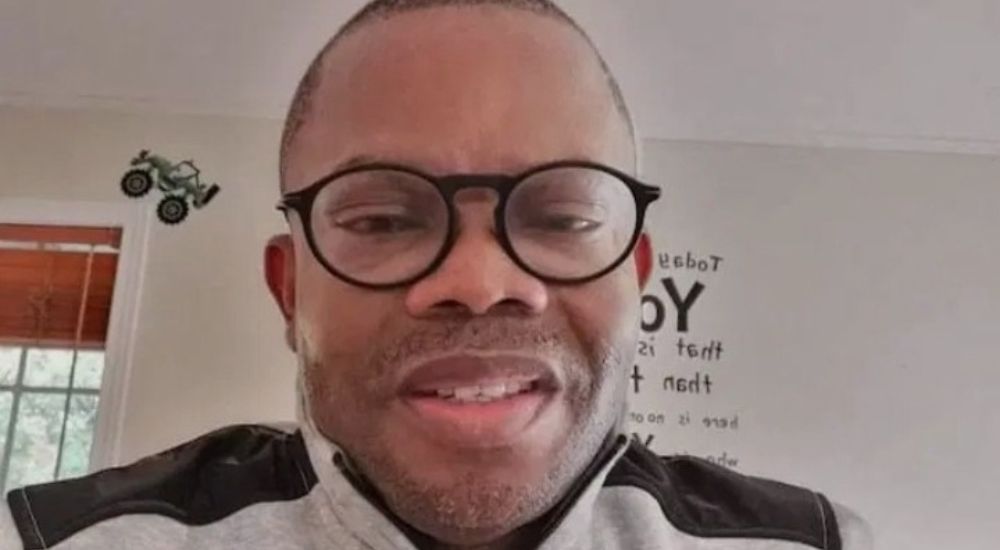
A political management consultant and rights advocate, Sir Joe Korka-Waadah, has renewed calls on the Federal Government to totally exonerate renowned environmental activist, Ken Saro-Wiwa, and eight others executed during the Ogoni struggle, insisting that granting them a pardon is inadequate for what he described as a grave miscarriage of justice.
Korka-Waadah also urged the Federal Government to ensure equitable distribution of federal appointments among the four Ogoni local government areas of Rivers State—Khana, Gokana, Tai and Eleme—particularly as moves intensify toward the resumption of oil exploration in Ogoniland.
Speaking with journalists in Port Harcourt on Tuesday, the Ogoni indigene and Executive Director of Compassionate Heart Foundation of Canada commended President Bola Ahmed Tinubu for appointing some Ogoni sons and daughters into strategic positions within his administration.
However, he expressed concern that recent federal appointments from Ogoniland have allegedly been skewed in favour of one local government area.
According to him, all recent appointments allotted to Ogoni people have come from Gokana Local Government Area, to the exclusion of Khana, Tai and Eleme.
“Ogoniland is made up of four local government areas—Khana, Gokana, Tai and Eleme. But in recent times, every federal appointment given to Ogoni has gone to one particular LGA, Gokana,” he said. “This is unfair, unjust and against the principles of equity that democracy stands for.”
Advertisement
Korka-Waadah alleged that a prominent political figure in the state may have influenced the nomination process by allegedly forwarding names of close associates to the Presidency, creating the impression that the appointments were evenly distributed.
He stressed that he was not opposed to the individuals appointed, acknowledging their qualifications and capacity to serve, but maintained that fairness demands balanced representation across all four Ogoni LGAs.
“I am not calling for the removal of anyone already appointed. Senator Magnus Abe is qualified, Prof. Innocent Bariko is qualified, Kenneth Kobani is qualified, Prof. Nenibarini Zabbey is qualified. They are our brothers and they deserve their appointments,” he said. “But positions related to petroleum exploration and other key sectors should be evenly distributed so that Khana, Tai and Eleme are not left out entirely.”
He further argued that the Presidency may not be fully aware of the imbalance, suggesting that the situation arose from how nominations were presented to the Federal Government.
“The understanding at the federal level may be that these appointments are evenly shared among Ogoni people as part of a soft landing for the resumption of oil exploration. But the reality on ground is different,” he added.
Advertisement
On the ongoing plans to resume oil exploration in Ogoniland, Korka-Waadah said the Ogoni people are not opposed to the Federal Government’s return, provided longstanding demands are addressed.
Responding to questions from journalists, he reiterated that the Ogoni people are demanding full exoneration—not a pardon—of Ken Saro-Wiwa and the eight others executed in 1995, alongside recognition of other Ogonis who were allegedly killed during the struggle for environmental justice.
“Pardon suggests guilt, and these men committed no crime. What we want is total exoneration,” he said. “They were unjustly tried, unjustly convicted and brutally executed by the Nigerian State.”
He also emphasized the need for the full implementation of the Ogoni Bill of Rights, describing it as a central condition for sustainable peace and acceptance of oil activities in the area.
“The people are not saying the Federal Government should not come back to Ogoni,” Korka-Waadah stated. “The conditions are simple: exonerate Ken Saro-Wiwa, the Ogoni Nine and others who were unjustly killed, and implement the Ogoni Bill of Rights. That is the foundation for justice, equity and lasting peace in Ogoniland.”
He called on the Federal Government to listen to the concerns of the Ogoni people, warning that issues of exclusion and historical injustice must be addressed to ensure genuine reconciliation and stability in the oil-rich region.
Advertisement