Russian Firm To Sell Nigerian Oil Assets Amid US Sanctions
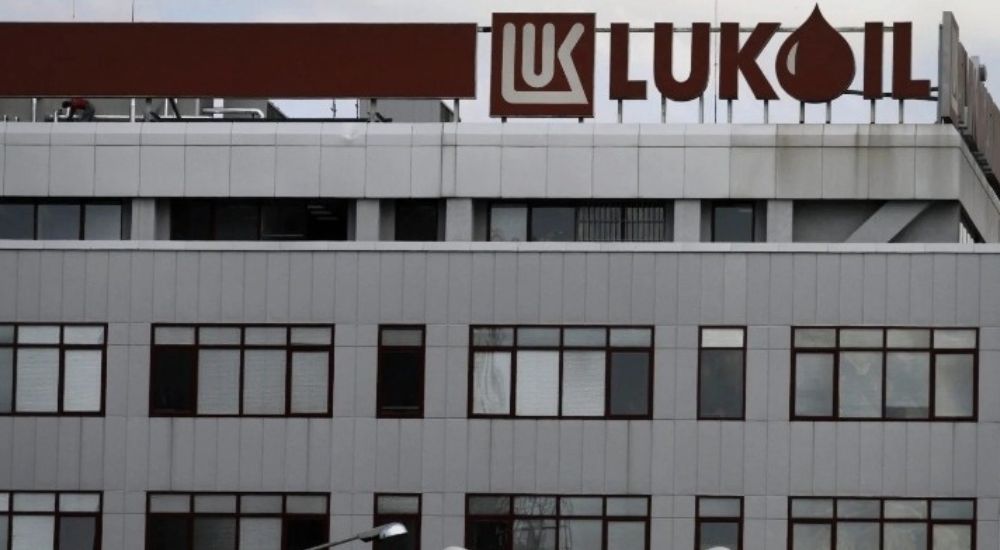
Russia’s second-largest oil producer, Lukoil, has agreed to sell its foreign oil and gas assets, including holdings in Nigeria, to US investment firm The Carlyle Group, as sweeping American sanctions linked to the Ukraine war continue to reshape global energy flows.
Lukoil disclosed on Thursday that it had signed an agreement with Carlyle for the sale of Lukoil International GmbH, its international subsidiary that holds stakes in oil fields and refineries across several countries.
The transaction, whose value was not disclosed, is subject to approval by the US Treasury and other regulatory authorities.
The divestment covers assets located in Nigeria, Iraq, Azerbaijan, Egypt, the United Arab Emirates and Mexico, but excludes Lukoil’s operations in Kazakhstan.
The move follows Washington’s decision in October 2025 to place Lukoil and Russia’s largest oil producer, Rosneft, on its sanctions blacklist as part of efforts to intensify financial pressure on Moscow over its ongoing war in Ukraine.
Advertisement
Companies that continue to do business with sanctioned Russian firms risk secondary sanctions that could cut them off from US banks, insurers, shipping firms and commodity traders a development that has made it increasingly difficult for Lukoil to maintain overseas operations.
Lukoil said the agreement with Carlyle was reached after months of negotiations and noted that discussions were still ongoing with other potential investors regarding remaining interests.
“The transaction will be completed after obtaining all necessary approvals,” the company said.
Carlyle, one of the world’s largest private equity firms, confirmed the deal and said it had been structured to ensure full compliance with US Treasury regulations.
The firm added that completion would depend on successful due diligence and regulatory clearances.
Advertisement
The Kremlin declined to comment directly on the transaction but said the interests of the Russian company would be “ensured and upheld,” while reiterating its position that Western sanctions imposed on Russia are illegal.
The United States had initially given Lukoil a one-month deadline to divest its overseas assets following the sanctions announcement, but later granted extensions as talks with potential buyers progressed.
Investors reacted positively to the development, with Lukoil shares rising 3.5 per cent on the Moscow Exchange following the announcement.
The asset sale comes against the backdrop of mounting strain on Russia’s economy, which has been weighed down by rising inflation, slowing growth and the financial cost of nearly four years of military operations in Ukraine.
In 2025, Russia’s oil and gas revenues, which account for about a quarter of federal budget income, fell to a five-year low, underscoring the growing impact of Western sanctions on the country’s key revenue streams.
For Nigeria, the planned divestment marks another shift in the ownership structure of foreign oil assets, as global energy companies reassess exposure to geopolitical and regulatory risks in the sector.