
U.S. Congress Votes To Limit Trump’s War Powers Over Iran
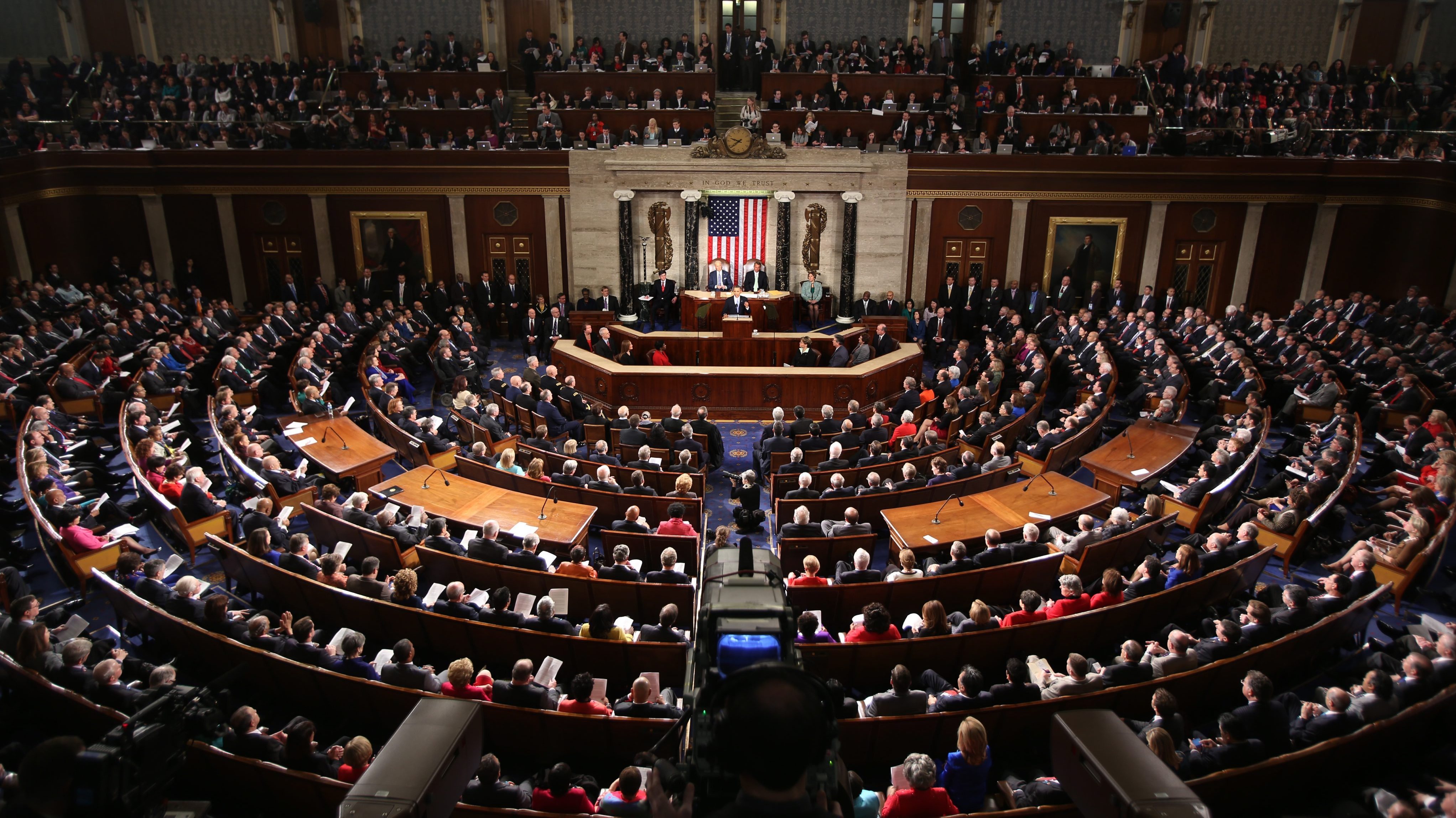
The United States House of Representatives has passed a resolution aimed at limiting President Donald Trump’s war powers over Iran, marking the first time either chamber of Congress has approved such a measure since the conflict began more than three months ago.
The resolution passed by 215 votes to 208, with four Republicans joining Democrats in support. The Republicans who crossed party lines were Thomas Massie, Brian Fitzpatrick, Tom Barrett and Warren Davidson.
Trump swiftly dismissed the vote, describing it as “meaningless” and accusing the lawmakers who supported the measure of undermining his administration during ongoing negotiations with Iran.
In a post on Truth Social, the president criticised the vote and questioned the motives of those behind it, asking, “Who would do such an unpatriotic thing?” He also revealed that his administration was engaged in what he described as “final negotiations” to end the war with Iran.
Massie defended the resolution, arguing that Americans were growing frustrated with the economic consequences of the conflict.
“People are tired of this. They’re tired of $5 gallon gas and $6 gallon diesel, and fertiliser we can’t afford to put on our fields in Kentucky,” he said.
Advertisement
He added that the vote “sends a good message that the people’s House, which represents the people, is tired of this war”.
Fitzpatrick also defended his decision, saying Congress had a constitutional role in authorising military action.
“There’s a law on the books,” he said, referring to the War Powers Act. “I don’t see what’s complicated about it. Bring it to Congress, debate it on the merits, and have this vote. That’s the way the system is supposed to work.”
Speaker Mike Johnson opposed the measure, warning that it could weaken Trump’s position in negotiations with Iran. Some Republicans, however, acknowledged increasing pressure from constituents concerned about rising fuel prices and other economic costs associated with the conflict.
The resolution now moves to the Senate for consideration. If approved, it would further intensify the debate in Washington over congressional oversight of military action and the administration’s handling of the war.
Advertisement