Active Tax Payers In Nigeria Less Than 10 Million — Oyedele
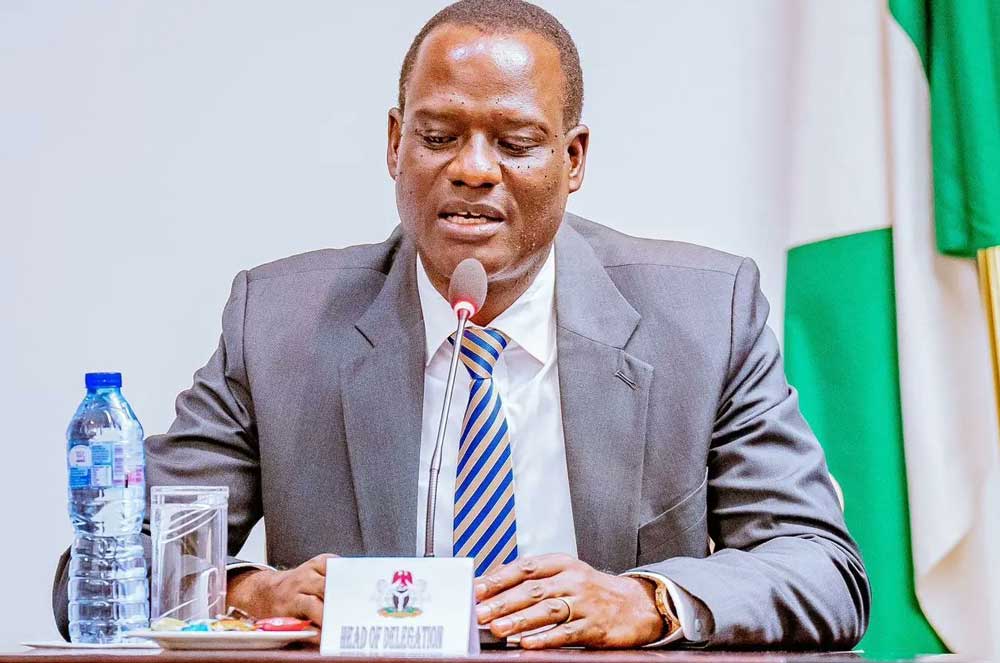
The Chairman of the Presidential Committee on Fiscal Policy and Tax Reforms, Mr. Taiwo Oyedele, has disclosed that the number of active tax-paying individuals in Nigeria is currently less than 10 million, underscoring the need for effective implementation of the ongoing tax reforms.
According to a statement issued by the Special Adviser on Media and Publicity to the Lagos State governor, Gboyega Akosile, Oyedele made the disclosure on Tuesday at the Lagos State Tax Reform Summit held in Ikeja.
On June 26, 2025, President Bola Ahmed Tinubu signed four Tax Reform Bills into law: the Nigeria Tax Act (NTA), the Nigeria Tax Administration Act (NTAA), the Nigeria Revenue Service Act (NRSA), and the Joint Revenue Board Act (JRBA).
The new laws represent a comprehensive overhaul of Nigeria’s tax framework, aimed at stimulating economic growth, boosting revenue generation, improving the business environment, and strengthening tax administration across all tiers of government.
Oyedele said the success of the new tax regime would depend largely on accurate and reliable data, noting that while the Federal Government would provide policy direction and harmonisation, states and local governments would be responsible for implementation, administration and service delivery.
Advertisement
According to him, standardising the tax system would move Nigeria away from fragmented and opaque tax practices, while expanding the tax net to ensure fairness and improved compliance.
“In Nigeria today, the number of active tax paying individuals is under 10 million for the whole country. If our people are committed to their tax obligations, that is the number we should have for Lagos State alone based on the population of active workers,” Oyedele said.
Also speaking at the event, Lagos State Governor Babajide Sanwo-Olu said the success of the tax reform journey would hinge on effective implementation at the state level, adding that Lagos had begun readjusting its revenue systems in preparation for the new tax law expected to take effect in January.
Sanwo-Olu dismissed criticisms that the reforms would burden the poor, saying the new tax law was designed to simplify the tax system, reduce multiplicity, block revenue leakages and ensure that wealthy individuals and businesses meet their obligations.
Also speaking, Lagos State Commissioner for Finance, Mr. Abayomi Oluyomi, said synergy between the state and its 57 local governments was critical to achieving the objectives of the reform, stressing the importance of data-driven property enumeration and digital integration.
Advertisement
Chairman of the Lagos Inland Revenue Service, Mr. Ayodele Subair, said the agency had concluded plans for public sensitisation and digital alignment to ensure smooth implementation of the new tax framework across the state.