
Acute Teachers Shortage Hits Nigeria As Fresh 194,876 Needed In Classrooms
An additional 194,876 qualified teachers are needed to fill the existing gaps in the basic education sector in Nigeria.
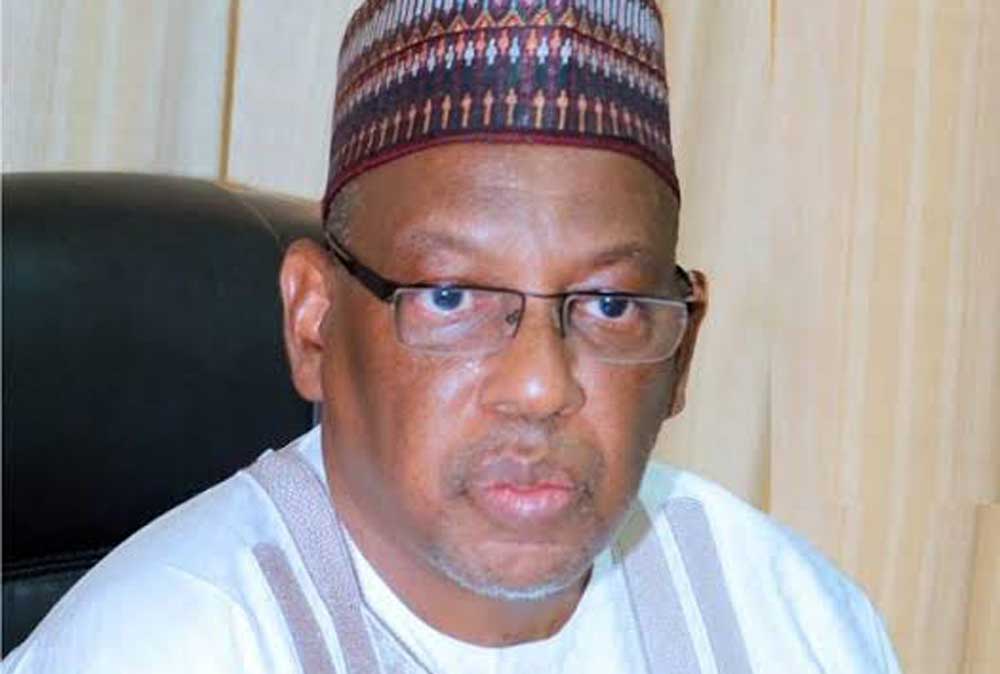
This was disclosed by the Executive Secretary of the Universal Basic Education Commission, Dr Hamid Bobboyi, during a one-day partnership meeting/dialogue with the organised private sector on the implementation of the Universal Basic Education (UBE) programme in Ikeja, Lagos State.
Bobboyi stated that apart from the acute shortage of teachers, the nation needs 907,769 new classrooms at the primary school level and 200,085 classrooms at the Junior Secondary School level, making a total of 1,107,854 classrooms needed at the basic education level.
“40 per cent of classrooms are in bad condition in the basic education sub-sector. The poor condition of classrooms cut across all geo-political zones. As of 2022, 907,769, additional classrooms were required in primary schools, and 200,085 were required in junior secondary schools,” he said.
Bobboyi noted that the inadequate supply of qualified teachers at the primary school level has contributed to learning poverty in the country.
“The problem here lies with their skewed deployment in favour of schools in urban centres.The inadequate supply of qualified teachers at primary school level is contributing to learning poverty, ” he said.
Advertisement
He blamed state governments for the dearth of qualified teachers in basic schools, adding that they did not take teachers’ professional development as a priority despite collecting 10 per cent of UBEC grants for such purposes.
” The federal government sets aside two per cent of the Consolidated Revenue Fund for UBEC and the state governments directly get 10 percent of it for Teachers’ Professional Development and 15 percent for Instructional Materials, but how many states use such funds for those purposes? Even with the Matching Grant of 50 per cent that they are expected to provide for other projects, some are not faithful, ” he said.
He explained that a total of 46,920,422 young Nigerians are in school at the basic education level, with male being 23,858,390 and female 23,062,032.
Bobboyi added that the number of schools at that level was 171,027 and that private schools, as of 2022, were 91,252, and public ones were 79,795.
He stated that while the number of schools grew by 16.9 per cent between 2018 and 2022, majorly due to an increase in the number of private schools, public schools only recorded a growth of 3.48 per cent.
Advertisement