
Australia Confirms First Mainland Case Of Deadly Bird Flu
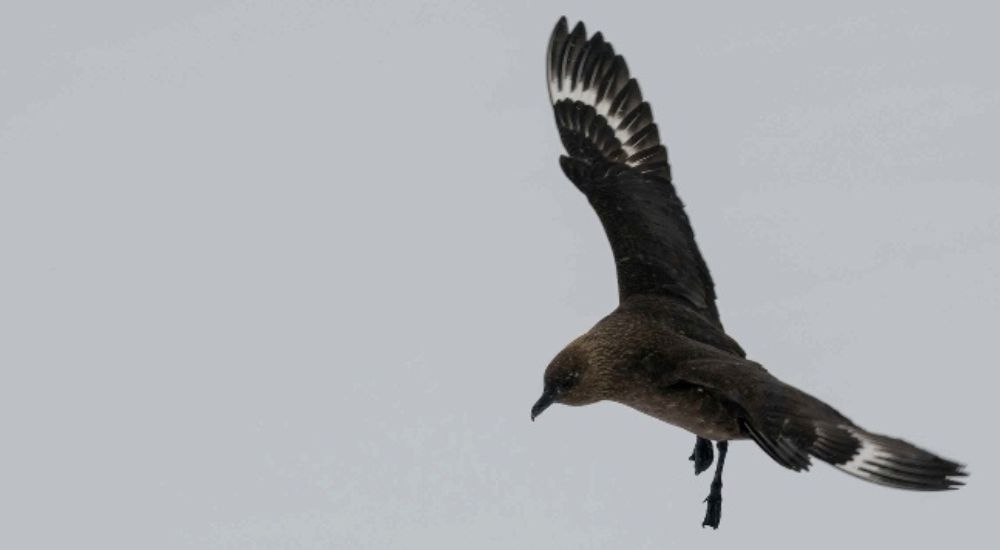
The H5N1 avian influenza strain has been detected on the Australian mainland for the first time, ending the country’s status as one of the few regions previously free of the virus.
Federal Agriculture Minister Julie Collins confirmed on Saturday that laboratory testing by the CSIRO’s Australian Centre for Disease Preparedness returned a positive result for the highly pathogenic H5 strain in a migratory wild seabird.
The infected bird, a brown skua, was found on June 14 on a remote beach in Cape Le Grand National Park near Esperance in Western Australia, about 700 kilometres southeast of Perth. It died shortly after.
A second migratory bird from the same area, a giant petrel, has also tested positive.
Scientists from the Institute for Marine and Antarctic Studies said both species are Southern Ocean and sub-Antarctic birds, suggesting the virus was likely introduced through southern migratory routes rather than northern hemisphere pathways.
Advertisement
Prime Minister Anthony Albanese described the development as “concerning” but said authorities were working to contain any potential spread.
Federal and state biosecurity agencies have activated enhanced surveillance and response measures. Officials said there are currently no detections in commercial poultry farms or domestic livestock.
Australia has previously dealt with outbreaks of the H7 avian influenza strain but had not recorded a case of the H5N1 lineage since its global resurgence in 2021.
Authorities warned the virus could pose a risk to native wildlife, particularly seabirds and marine species.
However, the Australian Centre for Disease Control said the risk to humans remains low, with no evidence of human-to-human transmission.
Advertisement