
Dangote Cuts Petrol Price By N75 On Middle East Truce
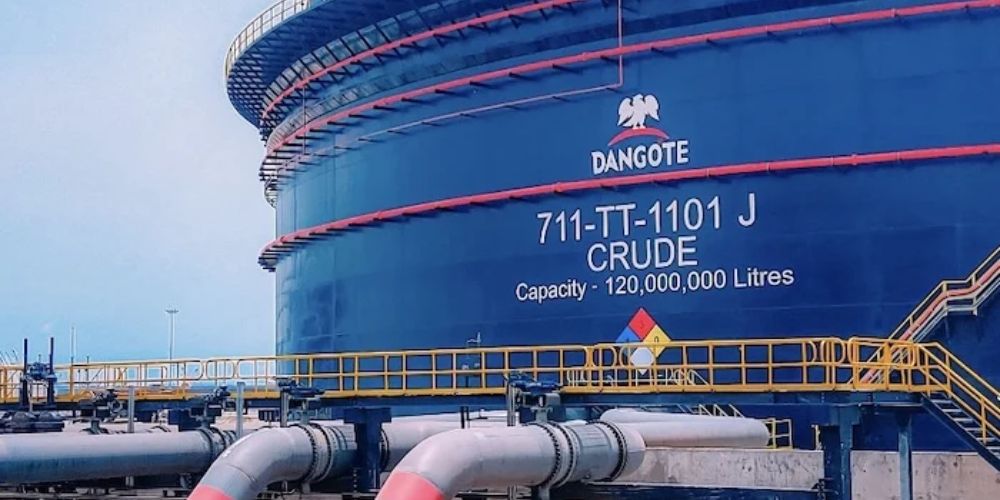
Dangote Petroleum Refinery has reduced the gantry price of Premium Motor Spirit (PMS), commonly known as petrol, by N75 per litre, citing the easing of geopolitical tensions in the Middle East and the resulting decline in global energy prices.
The refinery announced the adjustment in a circular issued to fuel marketers, stating that the new ex-depot price has been reduced from N1,250 per litre to N1,175 per litre.
The revised pricing will take effect from midnight on June 16, 2026.
The company also reviewed its coastal supply price, reducing the rate per metric tonne from N1,595,790 to N1,495,215, a move expected to lower procurement costs for marketers and potentially translate into lower pump prices for consumers across the country.
According to the refinery, the decision was informed by recent developments in the international oil market following the de-escalation of hostilities in the Middle East, particularly ongoing diplomatic efforts between the United States and Iran that have eased concerns over disruptions to global crude oil supplies.
“Following the de-escalation of tensions in the Middle East, which has impacted energy prices, we wish to inform you that we have reviewed our Premium Motor Spirit gantry/coastal price,” the circular stated.
Advertisement
The refinery further disclosed that all outstanding unloaded gantry volumes would be repriced at the new rate from midnight, assuring customers of its commitment to maintaining reliable fuel supply and quality service delivery.
“We sincerely appreciate your continued patronage and assure you of our unwavering commitment to reliable product supply and excellent service delivery,” the company said.
The latest adjustment strengthens Dangote Refinery’s position as one of the most competitive suppliers in the domestic market. Industry reports indicate that while some marketers were still selling petrol sourced from other channels at around N1,240 per litre on Monday, Dangote’s revised ex-depot price is now among the lowest available in the country.
Market analysts said the reduction could trigger a fresh round of downward price reviews by independent marketers and retail outlets as competition intensifies within the downstream petroleum sector.
The development follows a significant shift in global oil market sentiment after reports emerged of progress in negotiations between Washington and Tehran over the reopening of the Strait of Hormuz, one of the world’s most critical oil transit routes.
Advertisement
Oil prices had surged sharply during the three-month conflict between the United States and Iran, which began on February 28, 2026.
During the period, crude oil prices climbed above $120 per barrel, pushing up the cost of refined petroleum products globally and exerting pressure on fuel prices in importing nations, including Nigeria.
The crisis contributed to a sharp rise in domestic fuel costs, with petrol prices increasing from about N830 per litre before the conflict to as high as N1,300 per litre in some parts of the country.
Diesel and aviation fuel prices also recorded substantial increases as refiners and marketers passed higher crude costs to consumers.
However, with reports of a peace agreement and the partial reopening of the Strait of Hormuz, global crude oil prices have begun to retreat, reversing some of the gains recorded during the conflict.
Market observers believe the decline could pave the way for further reductions in petroleum product prices if stability in the region is sustained.
Advertisement
Energy analysts have projected that petrol prices could fall further in the coming weeks, potentially dropping below N1,000 per litre and even approaching N900 per litre if crude oil prices continue to weaken and global supply conditions improve.
For consumers and businesses grappling with elevated transportation and energy costs, Dangote Refinery’s latest price cut is expected to provide some relief and could signal the beginning of a broader downward trend in fuel prices across Nigeria’s downstream petroleum market.