Dangote, Three Other Billionaires Own More Than Half Of Africa’s Wealth, Says Oxfam
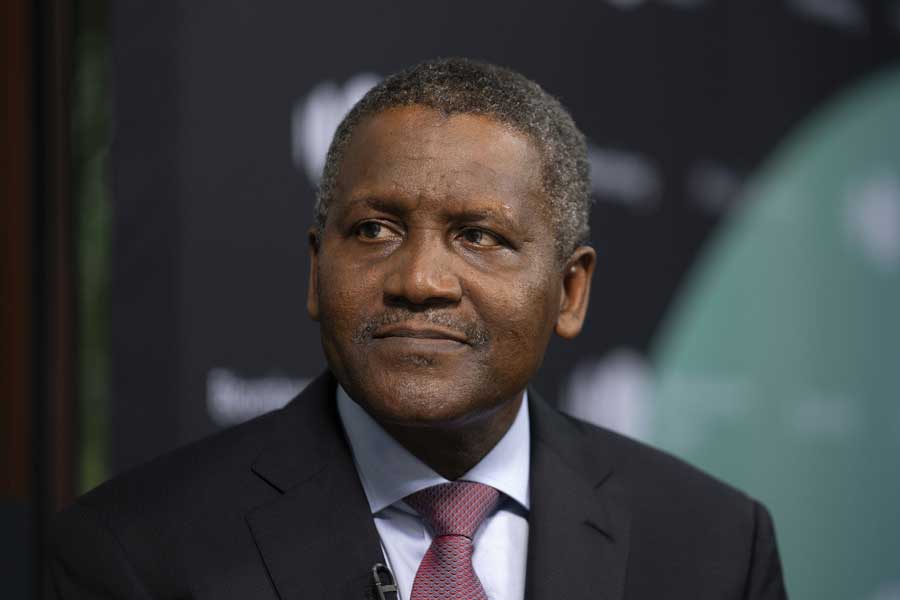
Africa’s wealth inequality has widened sharply, with Aliko Dangote and three other African billionaires now holding more wealth than half of the continent’s population combined, according to a new report by global anti-poverty organisation Oxfam.
The report, released as political leaders and top business executives convene for the World Economic Forum in Davos, shows that billionaire wealth in Africa grew by 36.5 per cent in just one year, more than twice the global average—despite worsening economic conditions for millions of Africans.
Globally, Oxfam said billionaire wealth rose by over 16 per cent in 2025 to a record $18.3trn. In contrast, Africa recorded a far steeper concentration of wealth at the top, even as many countries on the continent grappled with inflation, rising debt burdens and cuts to public spending on essential services.
Nigeria featured prominently in the report as a case study of deepening inequality. While the country faces its worst cost-of-living crisis in decades, the wealth of African billionaires with significant Nigerian exposure expanded rapidly over the past year.
Dangote, Africa’s richest man, saw his net worth rise to an estimated $24.8bn, reinforcing concerns about extreme wealth concentration.
Oxfam, in the report titled Resisting the Rule of the Rich: Protecting Freedom from Billionaire Power, argued that the surge in billionaire wealth is not accidental but the result of political influence, weak regulation and tax systems that disproportionately favour the ultra-wealthy.
Advertisement
The organisation warned that these structural factors are widening the gap between the rich and the poor across the continent.
The report raised particular concerns about Nigeria’s tax system, describing it as emblematic of broader fiscal weaknesses in Africa.
Oxfam’s Country Director in Nigeria, Ahmed Hamza Tijani, said the findings expose deep-rooted structural failures in the country’s fiscal framework.
He noted that while small and medium-sized enterprises are heavily taxed, highly profitable firms often benefit from incentives, waivers and loopholes that significantly reduce their tax obligations.
Tijani warned that weak taxation of the super-rich is compounding Nigeria’s fiscal challenges and deepening reliance on borrowing. According to him, inadequate revenue mobilisation has forced governments to prioritise debt servicing over critical investments in healthcare, education and social protection.
Advertisement
Across Africa, the report linked rising billionaire wealth to a growing debt crisis. Oxfam’s analysis showed that spending on debt servicing across the continent is now about 150 per cent higher than combined expenditure on education, healthcare and social protection.
The organisation said this trend is squeezing public finances and undermining efforts to reduce poverty and inequality.
Oxfam cautioned that the growing concentration of wealth and influence among a small elite risks distorting economic policymaking and weakening democratic accountability.
It called for urgent reforms, including more progressive taxation, stronger enforcement and greater transparency, to ensure that wealthy individuals and corporations contribute a fairer share to public revenues.
The organisation said addressing inequality is critical not only for social justice but also for long-term economic stability. According to Oxfam, fairer tax systems and stronger oversight would help reduce debt dependence, strengthen public services and promote more inclusive growth in Nigeria and across Africa.
As African governments confront mounting fiscal pressures and social challenges, Oxfam said the report should serve as a warning that failure to tackle extreme inequality could undermine development gains and threaten economic resilience across the continent.