
FEATURE: How Nigeria Immigration Officers Frustrate Passport Reforms
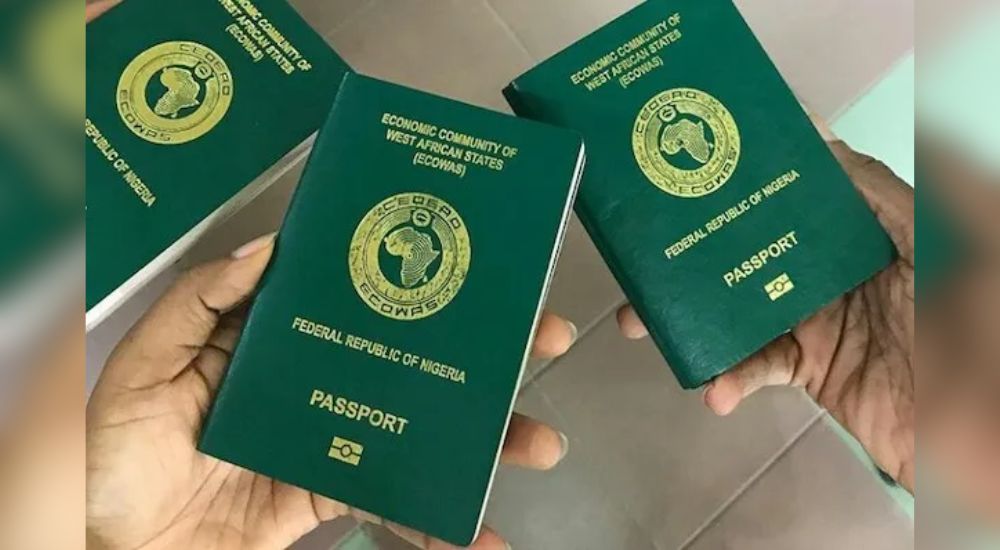
Nigeria’s passport system is modern on paper. But in practice, applicants still wait for hours, make repeat visits, and negotiate informal payments.
The Nigeria Immigration Service has automated most of the process since Dr Olubunmi Tunji-Ojo emerged as Minister of Interior in August 2023. Applications now start online. Payments are electronic. Appointments can be booked. Passports can be tracked. Late 2025 also brought more upgrades.
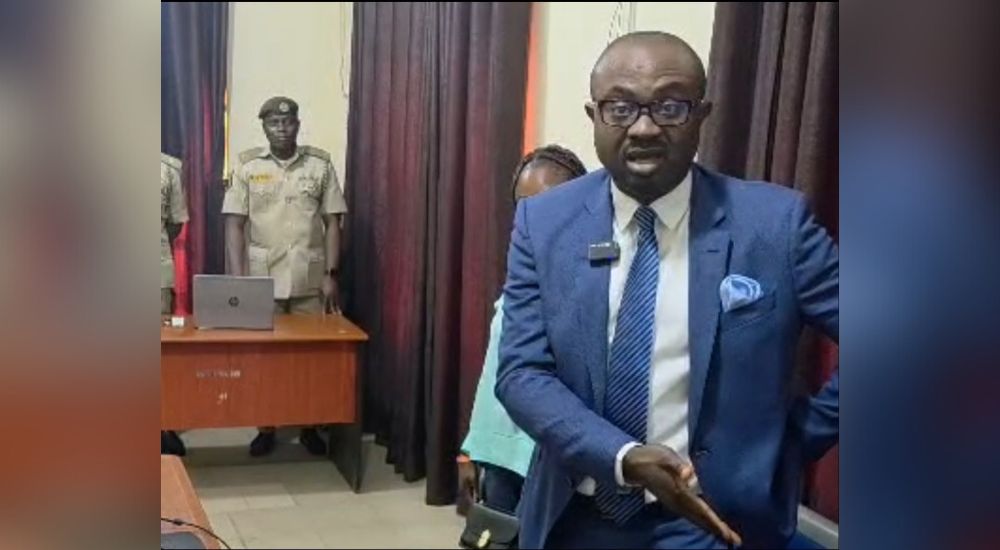
But the problems haven’t gone away. They’ve just moved to the passport offices themselves. Tunji-Ojo saw this firsthand last week when he showed up unannounced at the Gwagwalada passport centre in Abuja and found what applicants have been complaining about: officers starting late, working slowly, and ignoring scheduled appointments.
While the NIS has cleared old backlogs and Nigerians can now start applications from home, everyone still has to show up for biometric capture. That is where things fall apart.
‘Lokoja Was The Worst Experience Of Our Lives’
Advertisement
Agwu Uchenna, an Abuja civil servant, told THE WHISTLER what happened to his cousin at the Lokoja passport office recently.
She had come to Nigeria for fibroid surgery. On her way back to Cyprus, where she was finishing her master’s degree, airport immigration stopped her. Her passport was expiring in less than four months.
“She was stopped from leaving the country and asked to renew her passport,” Uchenna said.
Her Cyprus residence permit and school card would expire in a week. Renewing the permit costs 400 euros. The family felt that obtaining a new Nigerian passport within 48 hours was cheaper.
A contact at the National Assembly passport office referred them to Kogi State, where officials said the old system could fast-track the passport in one day.
Advertisement
“We paid N100,000 to an immigration officer from Igala who promised to get the passport ready within 24 hours, on a Sunday,” Uchenna said.
By Monday morning, they were at the Lokoja office. Then the scam started.
“To our greatest amazement, the immigration officer embezzled the money meant for the processing and applied normally, hoping he could cut corners.”
By 2 pm, nothing had been done. The officer demanded another N50,000.
“Being in a hurry and facing the 400 euros school permit cost, we raised the money and paid,” said Uchenna.
After five days in Lokoja with no passport and no progress, Uchenna said he returned to work, leaving his cousin behind. The passport was eventually printed one month later. The family paid the 400 euros for the school permit.
Advertisement
“Nigerian Immigration needs a serious overhaul to weed out the bad eggs in the system,” he said.
“If possible, make it so that once you pay and capture, the passport is printed within hours. The bottleneck creates room for exploitation.”
‘This Time, The Good Nigeria Happened To Me’ – Lawyer
Barrister Joshua Uba tried the system twice. First in Port Harcourt under the old regime, then in 2024 in Lafia, Nasarawa State.
“It happened that I had to travel out of the country suddenly, and I had just days to submit my passport for visa processing. Although I needed it sharp sharp, it was immaterial,” he said.
“The old system made it almost impossible not to exchange money with officers after paying the official fees to the officers. Nigeria happened to me. I paid and paid before I could lay my hands on the green folder document.”
In 2024, he decided to test the reforms.
“From my office, I initiated the process, paid the official fees, selected Lafia as my centre, and appeared on time,” he said.
Before he entered, uniformed officers asked if he had someone inside to “push” his application. He ignored them.
Inside, the officer checking his documents delayed the process when he realised Uba had no middleman.
“He cooked up offences that my documents were incomplete,” said Uba.
He identified himself and threatened to petition, after which a supervisor intervened. The officer then apologised. Three weeks later, the passport was ready.
“About three weeks later, I got a call that my passport was ready. I picked it up without paying a kobo. This time, the good Nigeria happened to me.
Most times, illegalities prevail because we are always in a hurry. We don’t read or follow procedures, making us prone to extortion. Gradually, the reforms are working,” said the lawyer.
Journalist Fisayo Soyombo’s Experience
The investigative journalist blasted the interior minister a few weeks ago.
Six months after paying N109,700 for passport renewal, his application was stuck at “passport pending production.”
Soyombo tweeted, “In January 2024 when I wrote that Olubunmi Tunji-Ojo will never be able to revolutionise Nigeria’s messily corrupt passport system, some accused me of prophesying doom.”
He lamented repeat visits, network failures, and officers mocking him for applying online.
“The irony is that Tunji-Ojo continues to be lauded as one of the best ministers,” Soyombo wrote.
“Woe unto you if you rely on media reports to gauge the performance of public institutions.”
The backlash from his tweets forced NIS to act. On January 15, 2026, NIS added a new tracking status: “PRODUCED (READY FOR COLLECTION).” Thousands of passports had been printed but never collected because nobody told the applicants.
This was when Tunji-Ojo visited the agency’s Gwagwalada office unannounced. He walked in and found that only seven applications had been processed hours after opening for the day.
“How long is this going to take? How many enrolments have you done today?” he asked.
He questioned why enrolment and biometric capture weren’t happening together. Officers were in air-conditioned rooms upstairs while applicants waited below.
“This place becomes a VIP centre, and I don’t have any VIP. When you wear this uniform, you wear a uniform of service,” he said.
He warned officers charging applicants extra fees, saying “Nigerians have paid online. It is immigration’s responsibility to foot your bill.”
THE WHISTLER has reported similar surprise visits to Lagos passport offices, NIS headquarters, correctional facilities, NSCDC and Federal Fire Service.
Expert Shares View
Remi Afon, a UK-based cybersecurity consultant who spoke with THE WHISTLER, thinks the reforms are incomplete.
Quoting him, “Digital systems work best when they lead the process. Things like booking appointments, payments, and tracking should be online. Manual steps should be limited to what truly requires physical presence, such as capturing fingerprints or taking photos. When these manual steps are properly recorded in the system, it helps reduce confusion, delays, and unnecessary back-and-forth.”
He said the technology isn’t the problem: “Technology alone cannot fix a broken process. If old delays and discretion remain, people will still bypass the system. Real improvement happens when the process itself is simplified and made clear, so the technology supports faster and fairer service.”
On VIP treatment, Afon said, “When priority cases are not clearly defined, they breed suspicion. Transparency is key. Some priority cases may be necessary, such as emergencies or official duties, but these should be clearly stated and handled openly. When everyone understands who qualifies for priority service and why, it helps build trust and reduces tension at passport offices.
“Many people wait for hours at crowded centres, while others are less busy. Technology can help balance this. If applicants can see which centres are less busy and switch locations online without starting again, it would reduce long queues and stress. This makes better use of existing centres and improves overall service delivery.”
“The minister has taken bold steps. The next step is accountability. When systems are backed by clear rules and fairness, the experience improves for everyone.”