
Existing Customs Law No Longer Fits Evolving Trade—Adeniyi
The Nigeria Customs Service (NCS) has called for amendments to its governing law, saying some provisions have become difficult to apply as trade policies and customs operations evolve.
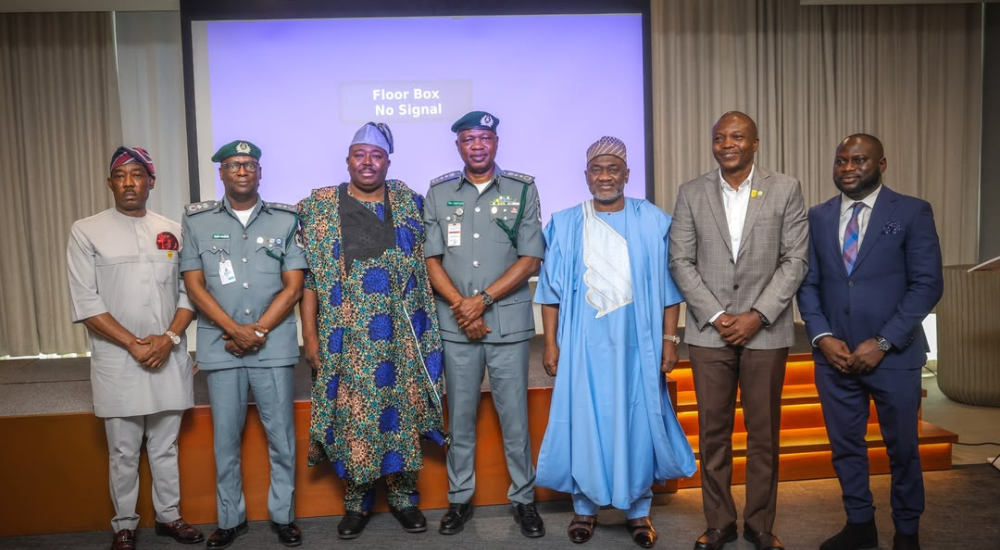
The Comptroller-General of Customs, Adewale Adeniyi, made the call during a capacity-building retreat for the Senate Committee on Customs, Excise and Tariffs on August 5, 2026.
Adeniyi said the review would enable the legal framework governing customs operations to reflect changes in international trade and support the Service’s ongoing digital transformation.
“While some provisions had worked as intended, others had proved difficult to apply or had been overtaken by the rapidly changing trade environment.
“We are requesting considerable amendments to ensure the Act remains relevant to fast-moving trade policies and supports the Service’s modernisation agenda,” Adeniyi stated.
The call comes as the NCS moves to shift more of its operations towards digital processing, intelligence-led compliance and technology-driven customs administration.
Advertisement
The Deputy Comptroller-General of Customs in charge of Human Resources Development, Tijani Abbey, said the reforms include the deployment of the indigenous B’Odogwu Trade Management System, intelligence-driven post-clearance audits, the Authorised Economic Operator (AEO) Programme, coordinated border management and end-to-end digital process integration.
The initiatives are designed to change how goods are processed and monitored after they enter the country, while improving compliance, trade facilitation, revenue collection, and border security.
A major element of the shift is post-clearance auditing, which allows Customs to place greater emphasis on verifying traders’ transactions and compliance after goods have been cleared rather than relying solely on physical intervention at the point of entry.
The AEO Programme, meanwhile, is intended to allow compliant traders to benefit from simplified customs procedures, while enabling the Service to concentrate its enforcement resources on higher-risk transactions.
Adeniyi said legislative reform was necessary to give the ongoing transformation a durable legal foundation rather than leaving key reforms dependent on the policies of individual administrations.
Advertisement
He said the Service had received support from the Federal Government and the NCS Board but argued that long-term continuity required statutory backing.
Responding, the Chairman of the Senate Committee on Customs, Excise and Tariffs, Senator Isah Jibrin, said the National Assembly was prepared to consider legislative measures required to address challenges confronting the Service.
“What you need to do is to identify your challenges, try to address them as much as possible, to have a much more robust, inclusive, and beyond-budget performance. Where you require legislative backing, please do not hesitate to call on us,” Jibrin advised.
Jibrin also commended the NCS for its reported revenue performance despite operational challenges and congratulated Adeniyi on his re-election as Chairperson of the World Customs Organisation Council.
He described the development as an indication of Nigeria’s growing role in international customs administration.
Advertisement