
Experts Lament Nigeria’s Underfunding Of Early Childhood Development
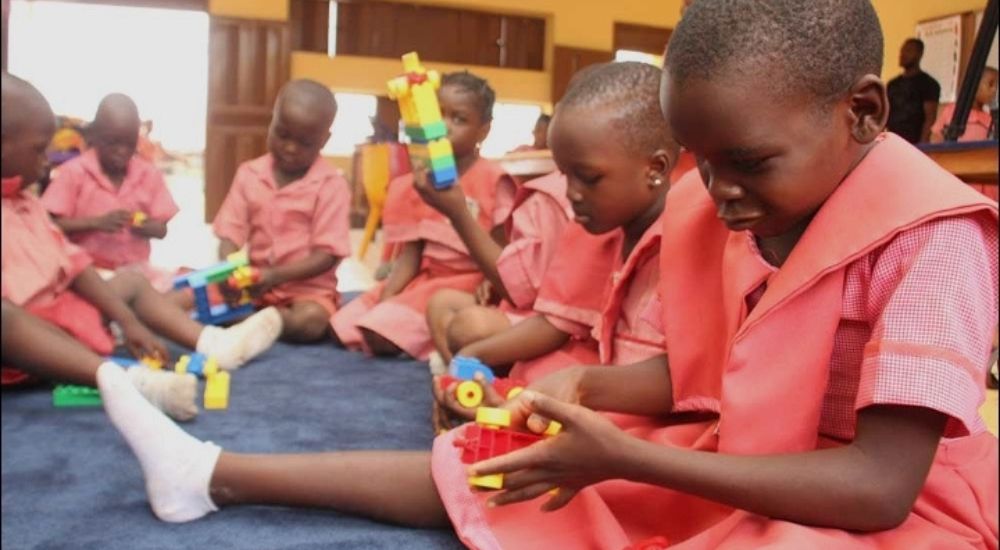
Despite evidence showing that investments in Early Childhood Development (ECD) can generate returns of up to 300 per cent, Nigeria continues to underfund and underprioritise the critical first five years of a child’s life.
These, according to experts, have left millions of children unable to reach their full physical and cognitive potential.
The experts raised the concern on Friday during a visual media briefing on Early Childhood Development organised by an Abuja-based public policy firm, Gatefield.
They warned that Nigeria is missing a crucial and irreversible window of brain development due to poor funding, insecurity, regional disparities and dependence on foreign interventions.
According to data presented at the briefing, one million neural connections are formed every second during a child’s early years, making the period from conception to age five the most important stage of human development.
Advertisement
Globally, investments in ECD yield significant social and economic benefits, with studies showing returns of about $13 for every $1 invested.
However, experts noted that access to ECD services in Nigeria remains largely concentrated in urban areas, leaving children in rural communities at a significant disadvantage.
Experts highlighted stark regional disparities, noting that basic literacy rates among children under five drop from about 65 per cent in parts of southern Nigeria to as low as 10 per cent in the North-West
Speaking, the founder of Omugo Academy, Dr. Megor, described early childhood development as a national priority rather than a welfare programme.
“The brain is being built right now, from conception to age five. What happens, or fails to happen, during this period can shape a person’s entire life.
Advertisement
“ECD is not charity. It is neuroscience, economics and a matter of national interest. It is easier to build strong children than to repair broken adults”, she said.
Also, the Gatefield’s Public Health Lead, Omei Bongos, stated that the first five years determine much of a child’s future development.
“By age five, about 90 per cent of the brain has already developed. Investments in health, nutrition and early learning during this period influence what children become later in life,” she said.
She added that factors beyond the home and classroom, including community support systems and public policies, play a critical role in shaping a child’s future and society’s prosperity.
On her part, a Gatefield researcher, Hope Lekwa, said Nigeria must stop relying on foreign donors to drive childhood development initiatives.
“Nigeria cannot depend on foreign funding or interventions for its own childhood development.
Advertisement
“We may not talk about early childhood development as a national emergency, but the data clearly shows that it is”she said.
To address the crisis, stakeholders called for the urgent adoption of the World Bank and World Health Organisation’s Nurturing Care Framework, which promotes a multi-sectoral approach built around five pillars: good health, adequate nutrition, responsive caregiving, safety and security, and early learning opportunities.
They also urged policymakers to leverage existing community structures by integrating Community Health Extension Workers into early learning centres and expanding awareness programmes for parents and caregivers.
According to them, greater attention should be paid to educating families, particularly fathers, on the importance of nutrition, early stimulation and positive parenting practices.
They warned that unless these support systems are properly funded and implemented, Nigeria risks undermining its future human capital and losing the immense economic and social benefits that come from investing in children during their earliest years.