Failure To Implement Tax Reforms Will Keep 98% Of Workers Overtaxed – Oyedele
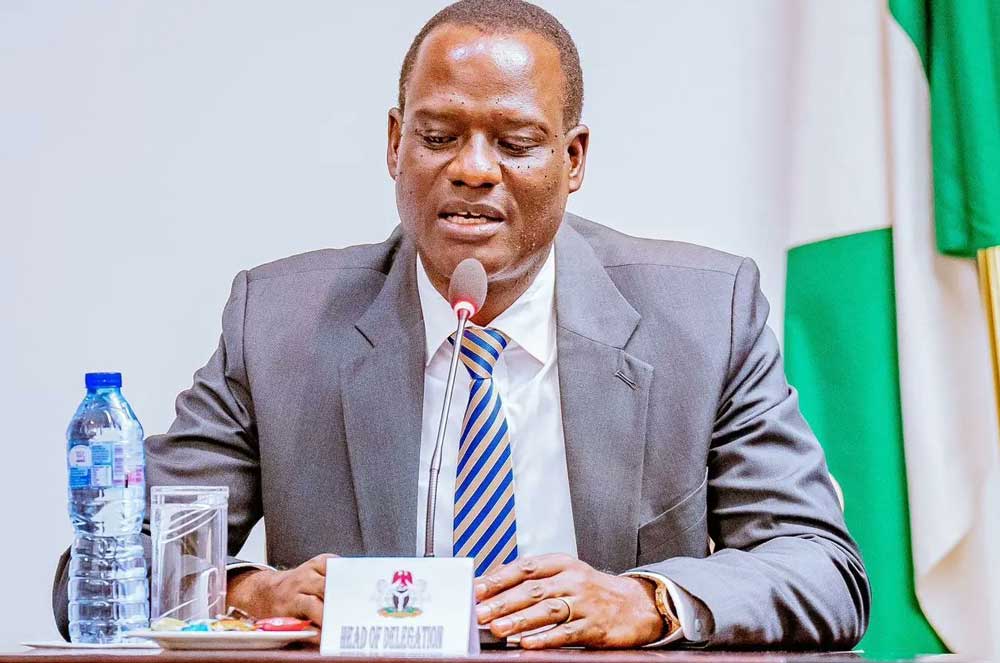
The Chairman of the Presidential Fiscal Policy and Tax Reforms Committee, Mr. Taiwo Oyedele, has warned that failure to implement Nigeria’s newly enacted tax reform laws by January 1, 2026, would leave about 98 per cent of workers overtaxed and sustain multiple tax burdens on businesses and households.
Oyedele issued the warning on Monday while speaking on Channels Television amid growing calls by former Vice President Atiku Abubakar, Labour Party’s 2023 presidential candidate, Mr. Peter Obi, and several civil society organisations for the suspension of the new tax laws.
According to Oyedele, delaying implementation would deny workers and businesses the reliefs built into the reforms, while allowing existing inefficiencies in the tax system to persist.
He said most workers would continue to face multiple taxation, while businesses would miss out on exemptions and remain burdened by overlapping levies.
He added that minimum taxes would continue to apply to small and unprofitable businesses, while what he described as “hidden VAT” would keep pushing up the prices of basic necessities such as food, healthcare and education.
Advertisement
Oyedele argued that rather than calling for a suspension of the reforms, stakeholders should identify and address specific areas of concern within the laws.
He said that even where substantial alterations were established between what the National Assembly passed and what was eventually gazetted, such disputed provisions should be isolated and addressed without halting implementation of the core legislation.
“If it is established that there have been alterations to what the National Assembly passed, those provisions should be identified and treated as not forming part of the law, while the law as passed by the National Assembly is implemented,” he said.
The committee chairman acknowledged that some aspects of the versions already passed by the National Assembly would still require amendments.
He said his committee had identified issues relating to referencing and definitions and would, through the President, request corrections to the affected sections.
Advertisement
Oyedele also weighed in on the controversy surrounding alleged discrepancies between the tax bills passed by the National Assembly and the versions later gazetted.
A member of the House of Representatives, Mr. Abdulsamad Dasuki, had raised concerns that the gazetted laws did not reflect what lawmakers debated and approved, arguing that this amounted to a breach of legislative procedure.
Dasuki said lawmakers did not yet have access to the official harmonised bills certified by the Clerk of the National Assembly, making it difficult to authoritatively determine whether discrepancies existed between the passed and gazetted versions.
Addressing the issue, Oyedele said he had reached out to the relevant House committee over a contentious provision requiring a 20 per cent deposit, noting that the committee responded that it had not formally met on the matter.
He added that while the provision appeared in a draft gazette, it was not included in the final version.
He stressed that reports circulating in the media did not originate from the committee set up by the House of Representatives and urged that due process be allowed to run its course.
President Bola Tinubu recently signed four tax reform bills into law, in what the government described as the most significant overhaul of Nigeria’s tax system in decades.
Advertisement
The laws are scheduled to take effect on January 1, 2026, and include the Nigeria Tax Act, the Nigeria Tax Administration Act, the Nigeria Revenue Service (Establishment) Act, and the Joint Revenue Board (Establishment) Act, all operating under the newly established Nigeria Revenue Service.
Despite opposition from some federal lawmakers, particularly from the northern part of the country,
Oyedele maintained that timely implementation of the reforms was critical to easing the tax burden on workers, supporting businesses and improving the overall efficiency of Nigeria’s tax system.