
Ghana Sued At ECOWAS Court Over Secret Trump Deportation Deal
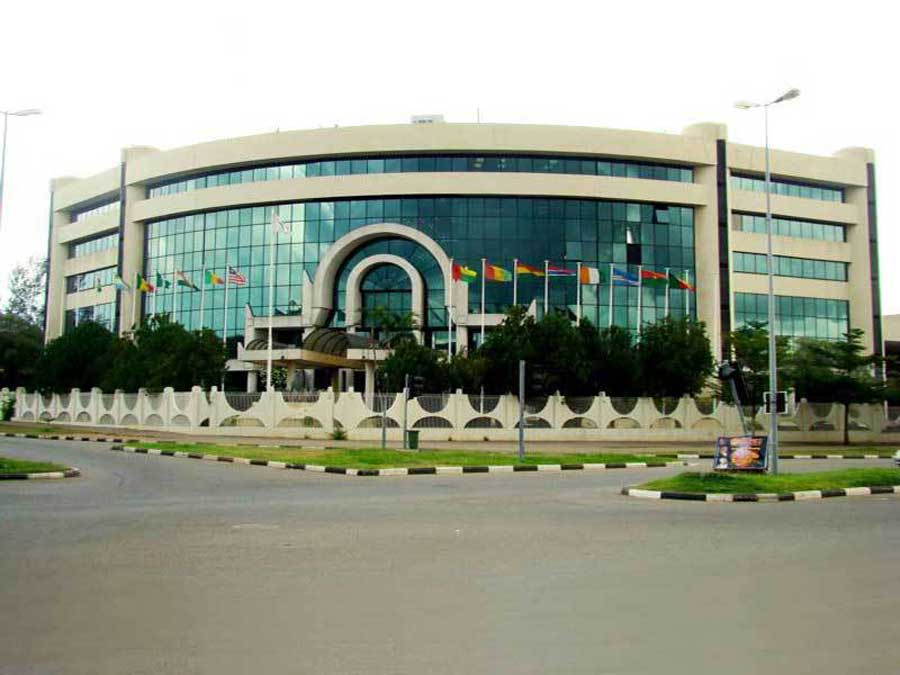
A coalition of rights groups has taken Ghana before the ECOWAS Court of Justice, accusing the government of unlawfully accepting, holding and removing refugees sent from the United States under a bilateral deportation arrangement whose contents have never been published.
The suit, filed on Monday, lists 27 claimants drawn from a wider group of at least 60 people the United States has transferred to Ghana since September 2025.
Many of those affected had already won protection from removal in US immigration courts after proving they faced torture or persecution if sent home — yet the claimants say Ghana put a number of them straight back on flights to those same countries within hours of their arrival, while others were abandoned elsewhere in the region without papers, money or legal standing.
Attempts by lawyers and civil society groups to obtain the actual text of the US-Ghana arrangement have repeatedly failed, and a parallel case demanding its disclosure is still working through Ghana’s domestic courts.
The claimants argue Ghana broke its non-refoulement obligations twice over: once by directly sending people back into danger, and again by serving as a transit point in a wider American removal system that ultimately delivered protected migrants to the countries they had fled.
They want the court to halt further transfers, force Ghana to release the agreement’s terms, order compensation for those harmed, and bar similar deals going forward.
Advertisement
Legal teams behind the case say a favourable ruling would matter well beyond Ghana, potentially setting a precedent that ECOWAS’s free-movement rules cannot be stretched to cover deportations engineered by a non-member state.
It is thought to be the first case brought under the bloc’s 1979 Free Movement Protocol.
There is also a political dimension. The lawsuit claims Ghanaian officials tied the deportation arrangement to Washington’s decision to lift visa restrictions it had earlier placed on Ghanaian travellers — a connection that, if substantiated, would mean migration cooperation was effectively traded for diplomatic concessions.
Ghana’s government has defended its position by pointing to the ECOWAS Free Movement Protocol, which permits citizens of member states to stay in fellow West African countries for up to 90 days without a visa, since those deported were West African nationals.
Opposition lawmakers and academics in Ghana have rejected that reasoning, arguing the protocol was designed for voluntary travel, not people forced onto planes against their will.
Advertisement
Reuters has reported separately that of 30 people removed from the US to Ghana in 2025, at least 22 were then sent onward to home countries despite US court orders blocking their return over torture and persecution risks.
Ghana joins Eswatini and Equatorial Guinea as African states already facing legal challenges over similar third-country removal arrangements with Washington, part of what rights groups describe as a growing pattern of chain refoulement across the continent.