
Ghanaian Shot Dead In South Africa Anti-Immigration Protest
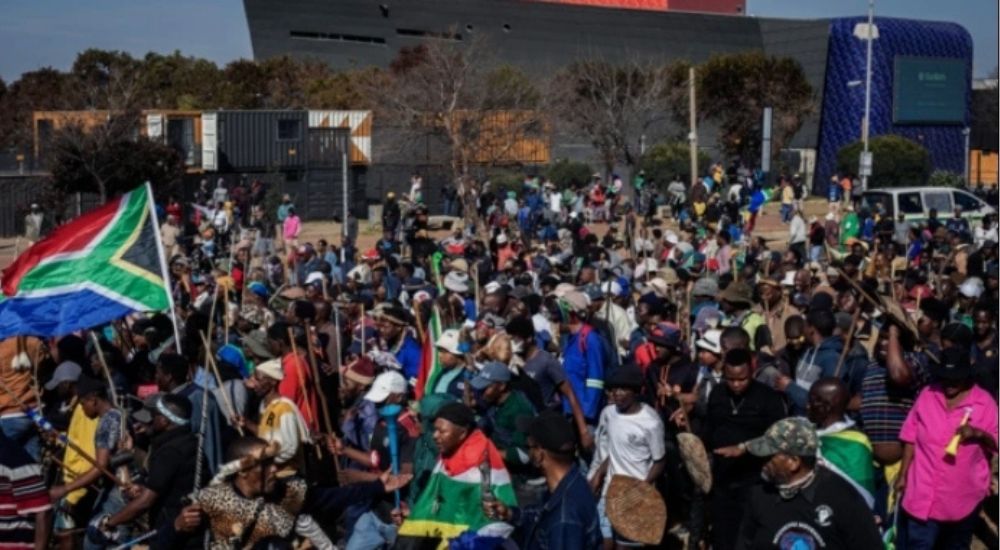
The government of Ghana has strongly condemned the fatal shooting of a Ghanaian national during anti-immigration demonstrations in South Africa, demanding the immediate arrest and prosecution of those responsible for what it described as a senseless act of violence.
In a statement issued on Wednesday by the Ministry of Foreign Affairs, the government identified the deceased as Bashiru Isak, a 40-year-old Ghanaian who was shot and killed in the Khayelitsha area of Cape Town on June 30, 2026, during demonstrations linked to ongoing xenophobic attacks targeting foreign nationals in South Africa.
The killing coincided with a deadline set by anti-immigration groups for undocumented foreign nationals to leave the country.
The campaign, led principally by a movement known as March and March, had in recent months organised demonstrations in Johannesburg, Pretoria, Durban, and Cape Town, demanding the removal of undocumented migrants from South Africa by June 30.
“The government of Ghana condemns, in the strongest terms, this senseless act of violence and the rising tide of xenophobia targeting African nationals, including Ghanaians, in South Africa,” the Foreign Ministry said in the statement.
Advertisement
Ghana also reminded the public that it had already submitted a formal petition to the African Union Commission over repeated xenophobic attacks against African nationals in South Africa, and expressed the expectation that the matter would be taken up at the Commission’s next statutory meeting as pressure mounts for a continental response to the recurring violence.
Ghanaians who remain in South Africa and chose not to participate in the government’s earlier repatriation exercise were advised to remain vigilant, avoid high-risk areas, and contact the Ghana High Commission in Pretoria through its emergency lines whenever they face danger.
The latest killing comes against the backdrop of a fresh wave of anti-immigration demonstrations that have forced many African migrants to flee their homes and businesses in parts of South Africa.
Foreign nationals from Nigeria, Zimbabwe, Mozambique, and other African countries have also been caught up in the renewed violence, which has reignited calls for South Africa to take firmer action against xenophobic attacks.
Advertisement