
Hayatu-Deen Links Insecurity To Poverty, Seeks Stronger Govt Action
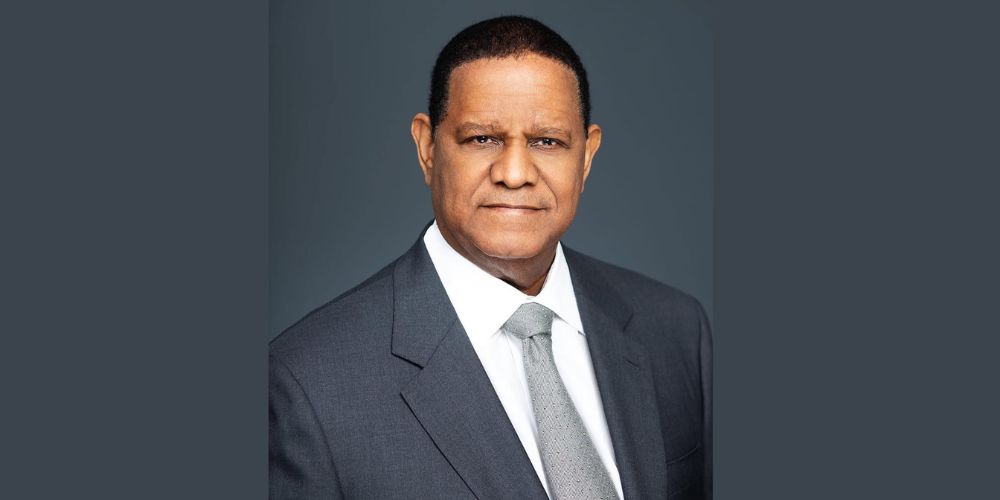
Former presidential aspirant of the African Democratic Congress (ADC), Mohammed Hayatu-Deen, has expressed deep concern over Nigeria’s worsening security situation, linking the persistent wave of terrorism, banditry and kidnappings across the country to rising poverty and economic hardship.
Hayatu-Deen made the remarks on Tuesday while reacting to the death of retired Major General Rabe Abubakar, who reportedly died in the custody of his abductors after being kidnapped alongside his wife in Katsina State.
In a statement issued by his media office, Hayatu-Deen lamented that despite repeated tragedies, many Nigerians remain vulnerable to violent attacks, citing several recent incidents across the country.
He noted that 27 days after the abduction of schoolchildren and teachers from Oriire in Oyo State, the victims were still being held captive. He also referenced attacks in Kogi State where bandits reportedly killed a vice principal, a six-year-old child and another resident during a West African Senior School Certificate Examination (WAEC).
Hayatu-Deen further highlighted the terrorist attack on Kautikari village near Chibok in Borno State, the earlier abduction of more than 40 students in Askira-Uba, and the killing of an officer and six soldiers in Kaduna State.
According to him, such incidents are no longer isolated occurrences but part of a broader national crisis affecting virtually every region of the country.
Advertisement
While mourning General Abubakar, fallen military personnel and other victims of terrorism and banditry, Hayatu-Deen stressed that expressions of sympathy alone were no longer enough.
“Condolences are important, but they are no substitute for decisive action. We must confront the underlying causes of insecurity and strengthen our response mechanisms,” he said.
The former presidential aspirant pointed to Nigeria’s ranking on the Global Terrorism Index and reports of increasing terrorism-related deaths as evidence of the growing security threat facing the nation.
Emphasising that his intervention was not politically motivated, Hayatu-Deen said his comments were driven by concern for the country’s future.
“This is not a partisan statement. I have no interest in scoring political points off the graves of our soldiers or the suffering of our children. I speak as a concerned private citizen,” he stated.
Advertisement
Hayatu-Deen argued that insecurity and economic hardship are deeply interconnected, warning that rising poverty, unemployment and the increasing cost of living are creating conditions that make criminal recruitment easier.
He urged both federal and state governments to intensify efforts aimed at reducing poverty and protecting vulnerable populations through expanded social welfare programmes and economic support initiatives.
According to him, authorities should provide targeted assistance to farmers whose livelihoods have been disrupted by insecurity, support struggling businesses and strengthen safety nets for families facing severe economic challenges.
He also welcomed the House of Representatives’ passage of a constitutional amendment seeking to establish state police, describing the move as a potentially significant step toward improving local security responses.
Hayatu-Deen called on the Senate to expedite consideration of the proposal, while cautioning that appropriate safeguards must be built into any state policing framework to prevent political abuse, corruption and violations of citizens’ rights.
Although he acknowledged that state police would not be a complete solution to Nigeria’s security challenges, he maintained that it could enhance intelligence gathering and community-based policing if properly implemented.
Advertisement
The policy advocate further called for the revitalisation of the Multinational Joint Task Force and stronger collaboration with neighbouring countries to tackle cross-border terrorism and organised criminal networks operating within the region.
He also urged greater investment in the nation’s armed forces through aggressive recruitment, improved welfare packages, enhanced remuneration, better support for families of fallen personnel and the provision of modern equipment and training.
Hayatu-Deen commended the military for recent operational successes, including the rescue of 360 women and children from a terrorist camp in Borno State, but maintained that more comprehensive measures were needed to reverse the country’s security decline.
Warning against complacency, he said Nigeria must avoid a gradual slide into lawlessness by adopting a coordinated and inclusive approach to tackling both insecurity and poverty.
He called on governments at all levels, civil society organisations, traditional institutions, the private sector and citizens to embrace a “whole-of-society” strategy in addressing the nation’s challenges.
According to him, restoring peace, stability and economic prosperity will require national unity, sustained commitment and collective action from all stakeholders.