
Heavy Taxes, Levies Draining Airlines In Nigeria—CPPE
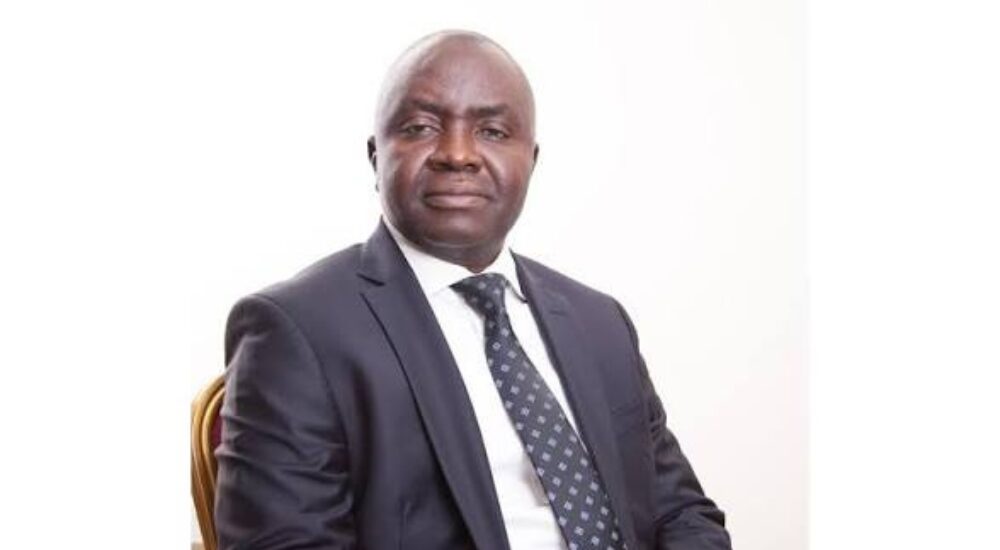
The Centre for the Promotion of Private Enterprise (CPPE) has warned that Nigeria’s domestic airlines are struggling under the weight of multiple taxes, statutory fees, and regulatory levies, saying as much as 35 per cent of ticket revenue is lost to these charges before operators can access the funds.
According to a statement by the organisation’s Chief Executive Officer, Muda Yusuf, the current cost structure imposed by aviation regulators has become unsustainable and is threatening the survival of domestic carriers.
He said charges collected by the Nigerian Civil Aviation Authority (NCAA), the Federal Airports Authority of Nigeria (FAAN), and the Nigerian Airspace Management Agency (NAMA) have placed excessive financial pressure on airlines.
Yusuf noted that industry estimates show regulatory charges account for about 35 per cent of airline revenue, a level he described as inconsistent with the aviation industry’s typically low profit margins.
The fees include ticket sales charges, passenger service charges,cargo fees,landing and parking charges, inspection fees, and import duties on aircraft and spare parts.
While acknowledging the Federal Government’s decision to grant airlines a 30 per cent discount on statutory debts owed to aviation agencies, Yusuf said the measure provides only temporary relief and does not address the sector’s deeper structural challenges.
Advertisement
He urged the government to simplify the existing tax regime, arguing that reducing the burden on airlines would improve their financial sustainability and could eventually lead to lower airfares for passengers.
Air Peace Chairman and Chief Executive Officer Allen Onyema echoed the concerns, claiming airlines retain only a small fraction of ticket revenue after statutory deductions.
He cited a N350,000 domestic ticket as an example, saying the airline receives only about N81,000 before covering expenses such as fuel, maintenance, staff salaries, and aircraft financing.
Onyema criticised the NCAA’s five percent Ticket Sales Charge, arguing that it unfairly reduces airline earnings because it is deducted as a percentage of the fare regardless of ticket price.
He called on the regulator to collect the charge directly from passengers instead of airlines.
Advertisement
The Air Peace boss further claimed that between 65 and 70 per cent of airline revenue is consumed by taxes, levies, fuel costs, and other operational expenses, leaving operators with limited resources to sustain their businesses.
He also pointed to high borrowing costs and rising aviation fuel prices as additional pressures facing the industry.
To address the situation, Onyema urged President Bola Tinubu to establish an Aviation Taxes and Charges Review Committee comprising government officials, regulators, and airline operators to reassess the country’s aviation fee structure.
The NCAA, however, rejected claims that taxation is responsible for rising airfares.
Its Director of Public Affairs and Consumer Protection, Michael Achimugu, maintained that fare increases are largely driven by market forces, particularly higher demand during peak travel periods.
Governance analyst Joe Abah argued that while airlines and government agencies benefit from higher fares, passengers bear the greatest burden.
Advertisement
Industry reports also indicate that Nigerian airlines face more than 50 different taxes and charges, significantly more than operators in several other African countries.
Stakeholders continue to call for comprehensive reforms, saying a more balanced and transparent fee structure is essential to ensure the long-term sustainability of Nigeria’s aviation sector while making air travel more affordable.