Iran ‘More Prepared’ For War With Trump, Says Minister
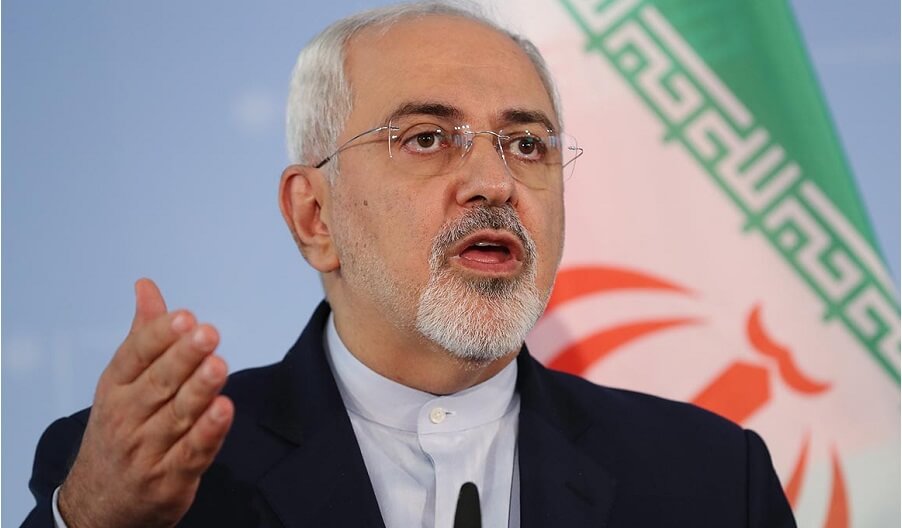
Iran has said it does not seek war but is fully ready to defend itself, as tensions rise following fresh threats of possible military action by President Donald Trump.
Speaking to foreign diplomats in the capital, Tehran, Iran’s Foreign Minister Abbas Araghchi said the Islamic Republic would not launch any pre-emptive strike. It warned that the country is now “even more prepared” for conflict than it was during its 12-day confrontation with Israel in June.
“Iran does not seek war,” Araghchi said, cautioning adversaries against any “miscalculation” that could trigger a wider conflict.
His comments come after President Trump suggested that the United States was considering intervention in Iran following reports that security forces had killed protesters during nationwide unrest.
“The military is looking at it, and we’re looking at some very strong options,” Trump said, adding that Iran’s leaders had begun reaching out to “negotiate” after his warnings.
Araghchi also defended the government’s decision to impose restrictions during the unrest, referring to a continuing nationwide internet blackout that has now lasted more than three days.
Advertisement
“These measures will remain until we are certain there are no more threats,” he said.
Iranian authorities say the situation has moved beyond protests, describing recent violence as “terrorist operations”.
Despite this, the foreign minister insisted that Iran remains open to talks, but only on “fair, dignified and equal terms”, restating Iran’s long-standing position on negotiations with Washington.
Meanwhile, former US Middle East envoy David Satterfield says Iran’s leadership is struggling to meet even the most basic needs of its population.
“The regime has been unable to provide the basics of life — water, fuel, electricity and food at affordable rates,” he told BBC Radio 4’s Today programme.
Advertisement
“And if what people are demanding is a living wage, a stable currency, fuel and electricity, that is not something the regime can easily pivot to.”
He said, unlike the 2022 protests, when authorities eased some social restrictions, the current crisis is rooted in deep economic hardship that Iran lacks the resources to fix.
With the internet blackout limiting information, the true scale of the unrest remains unclear. However, the BBC reports that it has received information from sources inside Iran who briefly connected online using satellite services such as Starlink.
Three residents in Tehran said the crackdown over the past week has been intense, even as state media tries to project calm in the capital.
BBC Persian also claim to have seen messages calling on people to attend pro-government rallies across the country, while some residents say they are unable to communicate at all due to the shutdown.
Internet monitoring group NetBlocks confirms that access has been severely restricted for more than three days.
Advertisement
Before the blackout, protests had spread to nearly all provinces and at least 70 cities, according to the BBC.
Trump says Iran’s leaders have contacted him to discuss negotiations, but is insisting that action could still come first.
“We’re looking at it very seriously. The military is looking at it, and we’re looking at some very strong options,” Trump told reporters aboard Air Force One.
Last week, he issued a warning to Iranian leaders at a White House meeting with oil executives, saying, “You better not start shooting, because we’ll start shooting too.”
Protests that began on December 28, 2025, over the collapse of the national currency have since spread nationwide. A US-based observer group says more than 500 people have died in the unrest.
Anger has been fuelled by increasing prices, a weakening currency, and long-standing social and political restrictions under the rule of Supreme Leader Ayatollah Ali Khamenei.
Iranian officials have dismissed demonstrators as “vandals” and called on supporters to rally in defence of the government. They have also warned that US and Israeli military assets in the region would become legitimate targets if Iran were attacked.