
NASS Gets Ultimatum To Explain N1.3bn Allocation To ‘Ghost’ Presidential Council
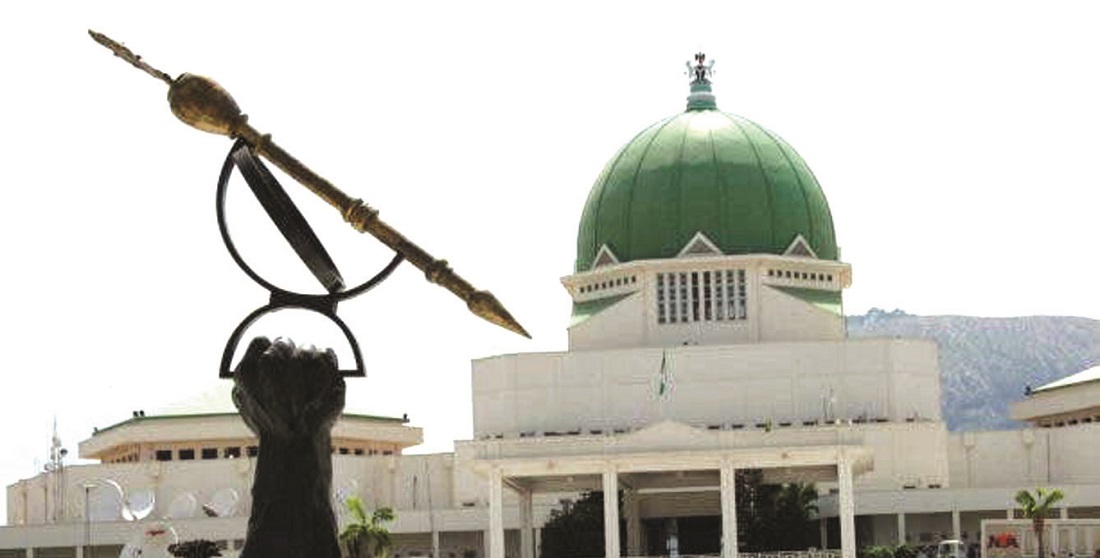
The Socio-Economic Rights and Accountability Project (SERAP) has asked the leadership of the National Assembly to disclose documents relating to the approval of over N1.3bn allocated to what the Presidency has described as a non-existent presidential council in the 2026 Appropriation Act.
In a Freedom of Information (FoI) request dated July 4, SERAP called on Senate President Godswill Akpabio and Speaker of the House of Representatives Tajudeen Abbas to release certified copies of all records concerning the approval of N1,302,978,784 allocated to the Presidential Foreign Intervention Promotion Council (PFIPC)/Presidential Economic Advisory Council.
The organisation also urged both chambers to invoke their constitutional oversight powers under Sections 88 and 89 of the Constitution to investigate how the allocation was included in the 2026 budget and identify those responsible for any irregularities.
SERAP’s request follows the Presidency’s public statement that the PFIPC/Presidential Economic Advisory Council was never established by the Federal Government, despite receiving an allocation in the 2026 Appropriation Act.
Signed by SERAP Deputy Director Kolawole Oluwadare, the FoI request said the conflicting accounts raised serious concerns about the integrity of Nigeria’s budget process, legislative oversight, public financial management and accountability.
Advertisement
The organisation asked the National Assembly to provide records identifying the committees that considered the allocation, the lawmakers involved, and the public officials who appeared before the committees to defend the budget proposal.
It also requested clarification on whether the allocation was contained in the Executive’s original Appropriation Bill or introduced during the legislative process, and whether any lawmaker questioned the legal status or operational mandate of the council before approving the funds.
According to SERAP, Nigerians have a right to know whether public funds were appropriated for an entity that was not legally established and how such an allocation occurred.
The group argued that the National Assembly has a constitutional responsibility not only to approve the national budget but also to thoroughly scrutinise expenditure proposals before authorising the use of public funds.
“The National Assembly ought to keep an eye on what the Executive is doing and to keep the Presidency and agencies of government in check including before and during the appropriation process by thoroughly scrutinising Executive’s budget proposals before any authorisation,” the organisation said.
Advertisement
SERAP maintained that disclosure of the requested records would strengthen public confidence in the credibility of the National Assembly, promote transparency in the management of public resources and enable citizens to assess whether lawmakers discharged their constitutional responsibilities during the appropriation process.
The organisation gave the National Assembly seven days to provide the requested information, warning that it would pursue legal action if the request was ignored.
SERAP also cited the Freedom of Information Act, the Nigerian Constitution and Nigeria’s obligations under international human rights instruments, including the International Covenant on Civil and Political Rights and the African Charter on Human and Peoples’ Rights, as the legal basis for its request.