
Stakeholders Seek End To Barriers Facing Women In Politics
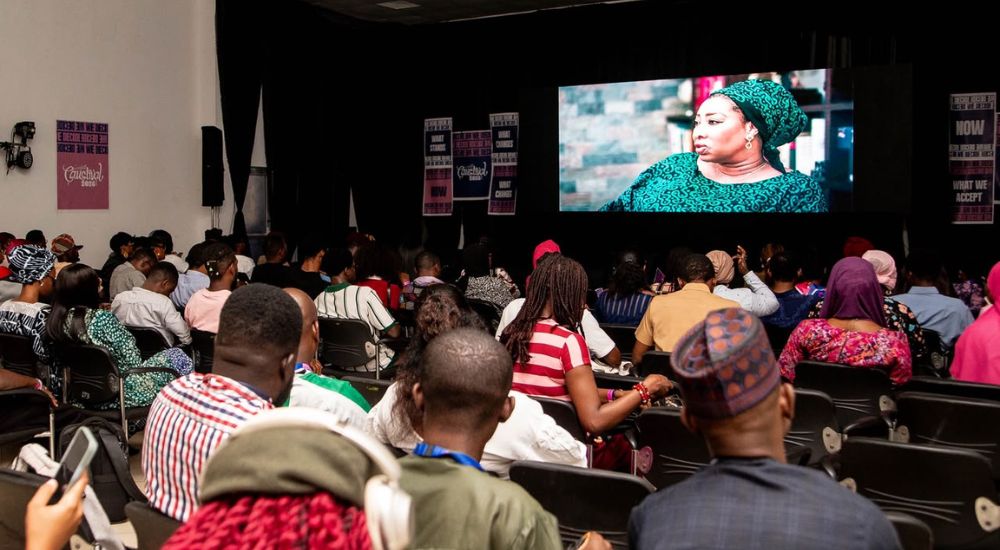
Advocates, artists and civic leaders on Friday called for the dismantling of barriers limiting women’s participation in politics and governance.
They said that greater inclusion of women in leadership positions is essential for Nigeria’s democratic growth and national development.
The concerned stakeholders spoke in Abuja during a panel session on women’s representation in public leadership and political office at Caustival 2026.
Caustival, which is an art and film festival, is dedicated to promoting social justice, democratic values and civic engagement through creative expression and public dialogue.
It was organised by Gatefield, an Abuja-based policy advocacy firm.
Advertisement
Speaking, the Director of the Legislative Mentorship Initiative, Ms Olusolape Sonuga, identified structural obstacles within the political system as major factors responsible for the low representation of women in governance
She urged stakeholders to pursue reforms that would create more opportunities for women to occupy elective and appointive positions.
According to her, meaningful progress can be achieved through increased engagement with political parties, stronger civic participation and policies that encourage women’s involvement in the political process.
Sonuga expressed strong support for the proposed Reserved Seats Bill, describing it as a strategic intervention aimed at addressing the persistent underrepresentation of women in Nigeria’s political landscape.
“The Reserved Seats Bill is a pivotal step toward improving women’s representation in Nigeria. The bill proposes 74 additional seats for women in the National Assembly. These are not seats being taken from anyone but additional opportunities designed to encourage greater inclusion,” she said.
Advertisement
She explained that the proposed legislation contains a 16-year sunset clause, after which the reserved seats would cease to exist, with the expectation that women would have established a stronger presence within the country’s political system.
The legislative advocate urged the National Assembly to expedite action on the bill, noting that increased female representation would deliver significant social and economic benefits to the nation.
Reflecting on Nigeria’s 27 years of uninterrupted democratic governance, Sonuga acknowledged existing challenges but maintained that the country had recorded notable democratic progress.
“Nigeria is still standing. We are not under military rule, and citizens are able to express their views freely. While there is room for improvement, these are achievements worth recognising,” she stated.
She also encouraged Nigerians to participate actively in the democratic process by obtaining their Permanent Voter Cards (PVCs) and voting during elections.
Also speaking at the event, the Creative Director and Curator of Caustival 2026, Faith Dagbue, said the festival’s theme: “We Decide,” was designed to rekindle civic consciousness and encourage citizens to take ownership of Nigeria’s democratic future.
Advertisement
Dagbue noted that the festival featured more than 22 artworks by 16 artists and a graphic designer, exploring issues of democracy, governance, citizenship and national development.
She said the exhibition sought to inspire dialogue, critical reflection and active citizenship, particularly among young Nigerians.
According to her, many citizens have become disillusioned by governance challenges and unmet political expectations, making it necessary to encourage renewed public participation in democratic processes.
“This festival is about reminding citizens that positive change requires collective effort and active participation,” she said.