Analysts Raise Competition Concerns As Top Brokers Control N7.39trn Of NGX Trades
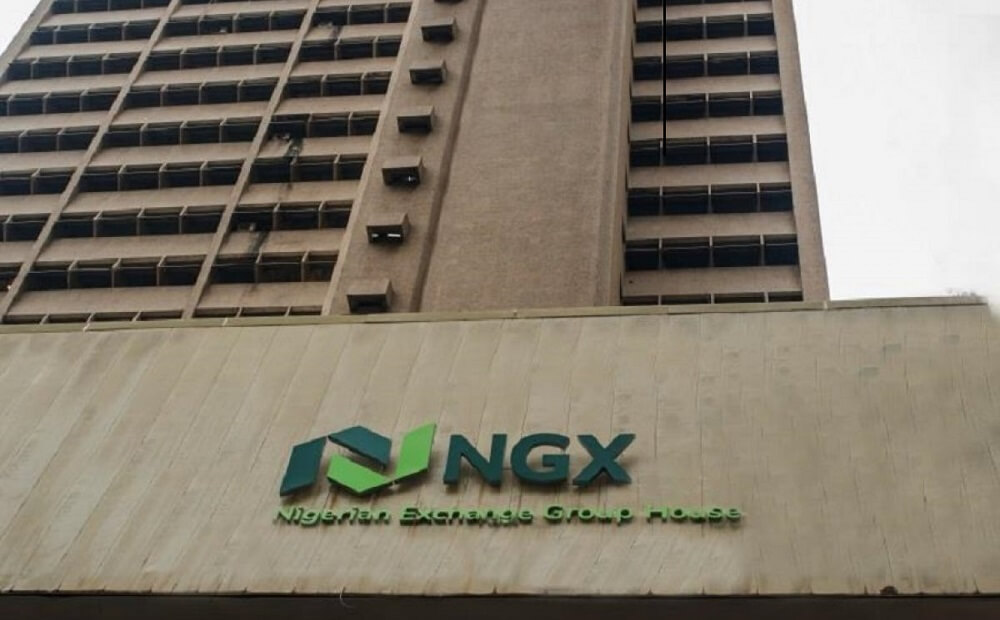
The Nigerian stock market closed the 2025 financial year on a strong footing, with the top ten stockbroking firms tightening their grip on market activity after executing transactions valued at N7.39trn, representing 61.82 per cent of the total value of trades on the Nigerian Exchange (NGX).
In addition to their dominance by value, the leading brokers accounted for 49.41 per cent of the total trading volume during the year, underscoring their central role in driving liquidity and shaping market direction amid a challenging macroeconomic environment.
Data from the NGX monthly broker performance report revealed that market activity in 2025 was heavily concentrated among a few major players, a development that has renewed concerns among analysts and industry stakeholders over intensifying competition pressures and the marginalisation of smaller brokerage firms.
Despite economic headwinds marked by persistent inflationary pressures, elevated interest rates and tight financial conditions, the Nigerian capital market demonstrated notable resilience.
Investor sentiment remained largely positive, supported by sustained buying interest across key sectors of the economy.
Advertisement
Market analysts attributed this resilience largely to continued participation by foreign portfolio investors, domestic institutional investors and high-net-worth individuals, segments that are predominantly serviced by the leading stockbroking firms.
“The market faced significant headwinds in 2025, but the dominance of the top brokers helped stabilise trading activity and sustain investor confidence,” a market analyst said.
“Their ability to attract large-ticket transactions ensured liquidity even during periods of heightened uncertainty.”
At the forefront of market activity was CardinalStone Securities Limited, which emerged as the most active broker by value in 2025, executing trades worth N2.19trn.
This accounted for 18.30 per cent of the total value traded on the Exchange during the year.
Advertisement
Chapel Hill Denham Securities Limited followed, facilitating transactions valued at N1.02trn, representing 8.54 per cent of the market’s total trade value.
Stanbic IBTC Stockbrokers Limited ranked third with trades amounting to N735.51bn, contributing 6.16 per cent to the overall figure.
Other major players included First Securities Limited, which recorded transactions worth N686.05bn, and Cordros Securities, with N663.7bn in executed trades. Meristem Stockbrokers posted N481.66bn in transactions, slightly ahead of EFG Hermes, which handled trades valued at N472.1bn.
ABSA Securities Limited recorded N426bn in trades, while APT Securities & Funds executed transactions worth N398.73bn.
United Capital Securities Limited completed the top ten list with N316.14bn in traded value.
Collectively, these ten firms accounted for well over half of the total value of trades executed by all stockbrokers on the NGX in 2025, reinforcing their influence over market liquidity, price discovery and overall trading patterns.
Advertisement
While the strong showing of the leading brokers highlights their operational efficiency, technological capacity and access to high-value clients, analysts cautioned that the growing concentration of market power poses structural challenges for Nigeria’s stockbroking industry.
According to market observers, smaller brokerage firms continue to struggle with limited access to institutional mandates, foreign investors and deep pools of capital, making it difficult for them to scale operations or compete effectively with dominant players.
Group Managing Director of Crane Securities Limited, Mr. Mike Eze, expressed concern over the widening gap between the biggest trading houses and smaller brokers, warning that the imbalance could stifle competition and innovation in the sector.
“In addition to being the biggest trading houses for foreign portfolio investors, these firms also dominate local institutional and high-net-worth investors,” Eze said in an interview.
“This creates an uneven playing field where smaller brokers struggle to gain traction and expand their market presence.”
Eze also noted that market movements are increasingly influenced by the trading behaviour of the top brokers.
“When these big players engage in aggressive buying, the market rallies. When they take profits or step back, the market often declines. This pattern has become a defining feature of recent market cycles,” he said.
The NGX introduced broker performance rankings in 2011 as part of efforts to enhance transparency and encourage competition among market operators.
While the rankings have increased visibility and competitiveness within the industry, the sustained dominance of a few firms suggests that deeper structural issues persist.
“The dominance of a handful of brokers reflects both their strong operational capacity and the unequal distribution of resources within the industry,” another market expert noted.
“Their access to foreign and domestic institutional clients gives them a significant competitive advantage.”
As Nigeria’s capital market navigates ongoing inflationary pressures and the prospect of further interest rate adjustments, analysts say the performance of the leading brokers will remain critical to market stability and investor confidence.
However, calls for regulatory interventions to address rising market concentration are growing louder.
Stakeholders argue that policies aimed at promoting inclusivity, enhancing access to capital and supporting smaller brokerage firms are necessary to ensure a more balanced and competitive market structure.
As the NGX moves forward, analysts believe striking the right balance between operational efficiency and broad-based participation will be essential to sustaining long-term growth and deepening Nigeria’s capital market.