
Kaduna Links 785 Rural Roads To Improved Healthcare Delivery
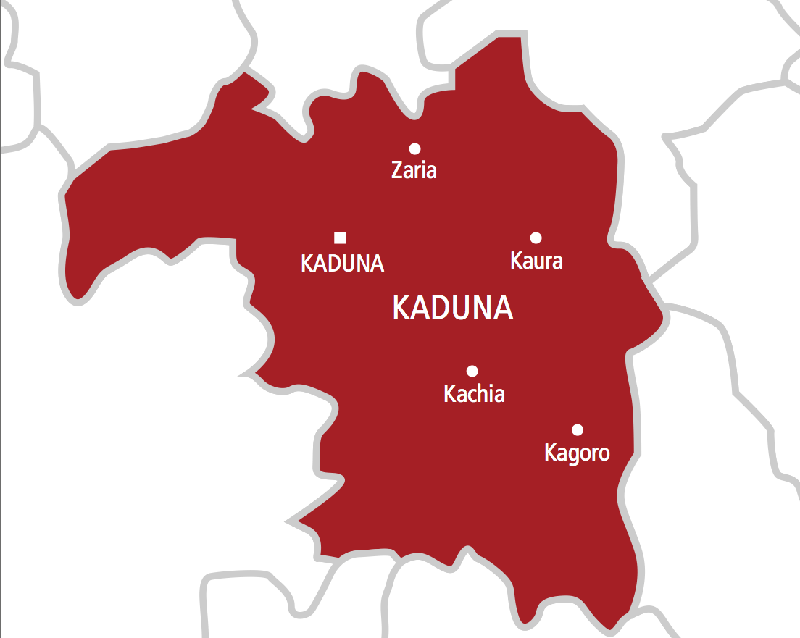
The Kaduna State Government says that its ongoing construction of 785 rural road projects is boosting healthcare delivery and health outcomes across the state.
The Commissioner for Information, Ahmed Maiyaki, stated this while addressing media executives and editors at a Kaduna State–UNICEF high-level engagement on strengthening media partnerships for improved healthcare, held in Zaria on Thursday.
Maiyaki explained that the road projects, initiated under the administration of Governor Uba Sani, were deliberately designed to support access to healthcare, especially in rural and underserved communities.
He said poor road infrastructure had, for years, limited access to primary healthcare centres, delayed emergency referrals, and hindered the delivery of essential medical supplies in many parts of the state.
He said, “Our rural road projects and nutrition investments are deliberate health strategies.”
Maiyaki noted that the expansion of rural road networks had reduced travel time for residents seeking medical attention at primary healthcare centres.
He also stated that improved road access had improved the efficiency of emergency response services, enabling quicker referrals of patients from rural communities to secondary and tertiary health facilities.
Advertisement
The commissioner further explained that healthcare workers are now able to reach remote communities more easily, strengthening routine immunisation programmes and antenatal care services.
He added that the improved connectivity has also supported community health outreach initiatives, allowing health officials to deliver services and health education to hard-to-reach populations.
He further revealed that the state government had committed N750m to the procurement of Ready-to-Use Therapeutic Food for the treatment of children suffering from severe acute malnutrition.
According to him, the investment made Kaduna the first sub-national government in Nigeria to allocate domestic resources at such a scale for therapeutic food (RUTF).
He also noted that the nutrition intervention has reduced dependence on emergency donor-funded support, improved early detection and treatment of malnutrition, and enhanced child survival rates.
Advertisement
He added that the initiative was reinforcing nutrition services at the primary healthcare level, particularly in communities with high rates of child malnutrition.
The high-level engagement was organised by the Kaduna State Ministry of Information in collaboration with UNICEF to enhance collaboration with the media on health communication.