
Lagos Spends Under 2% Of N50bn Housing Budget Amid Rent Surge
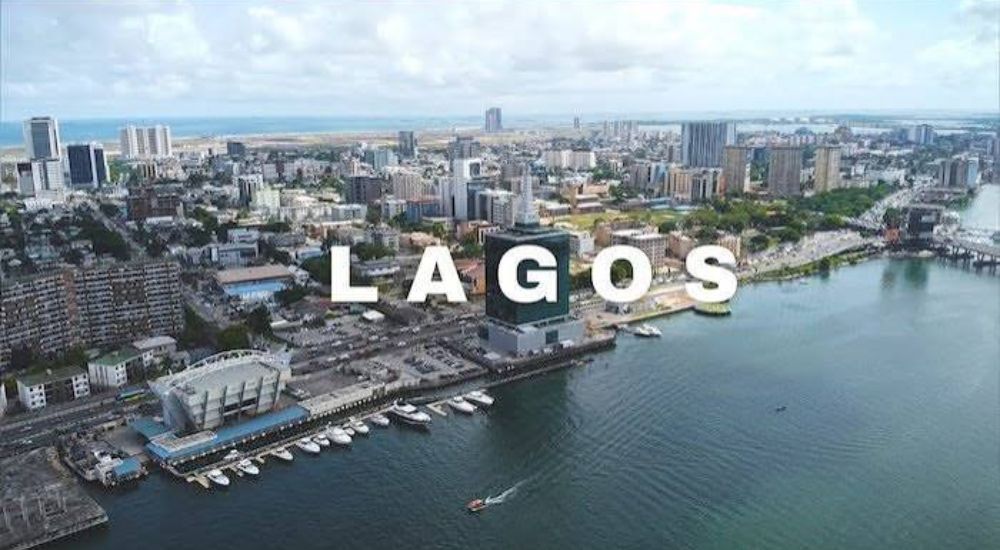
The Lagos State Government spent N820.6m on six major housing projects in the first quarter of 2026, representing less than 2 percent of their combined N50.37bn budget, THE WHISTLER analysis of the state’s first-quarter budget implementation report has shown.
The projects, being executed by the Ministry of Housing, received a combined budget allocation of N50.37bn for 2026, but only N820.56m had been spent as of the end of March, translating to an overall implementation rate of about 1.6 percent.
The spending comes at a time when Lagos faces an estimated housing deficit of 3.4 million units, rising rental costs and continued population growth driven by an estimated 6,000 new residents arriving daily.
The largest allocation of N17.54bn was earmarked for the construction of 504 housing units at LagosHOMS Sangotedo Phase II, yet only N7.64m had been spent by the end of the first quarter, representing virtually 0 percent implementation.
Similarly, the N12.83bn budgeted for the construction of LagosHOMS housing units at Ibeshe Phase II, Late Abdul-Wahab, recorded expenditure of N82.38m, amounting to 0.6 percent of the allocation.
The Ajara-Badagry LagosHOMS project received N74.15m out of its N6bn budget, representing 1.2 percent implementation.
Advertisement
At Sangotedo Phase II, another LagosHOMS housing project with a N5bn allocation, recorded N93.96m in expenditure, representing 1.9 percent performance.
The Epe Housing Scheme, which received N4bn in the 2026 budget, recorded spending of N78.11m, translating to 2 percent implementation.
The highest-performing project among the six was the Egan Mixed Housing Scheme Cluster I, where N484.33m was spent out of the N5bn allocation, representing 9.7 percent implementation.
The low level of capital expenditure contrasts sharply with worsening housing affordability across Lagos.
Real estate experts estimate that rents have increased by between 50 and 200 percent over the past two years, pushing the income-to-rent ratio to nearly 70 percent, more than double the 30 percent affordability benchmark recommended by the United Nations.
Advertisement
The pressure has extended beyond high-end neighbourhoods into suburban communities, where annual rents for two-bedroom apartments now range between N1.5m and N2.5m.
Across Lagos, average annual rents for standard two-bedroom apartments are estimated at about N5.2m in Ikeja, N8.5m in Lekki Phase I, N12.5m on Lagos Island and Victoria Island, and N15m in Ikoyi, while luxury developments command significantly higher prices.
A report by Fortren & Company, a real estate research and advisory firm, ranked Lagos as the fourth most expensive city in Africa for renting a two-bedroom apartment, behind Abidjan, Cape Town and Accra. According to the report, annual rent for a luxury two-bedroom apartment in prime locations such as Ikoyi, Banana Island and Victoria Island averages about $19,379 (N26.8m).
The Federal Ministry of Housing and Urban Development and industry stakeholders estimate Nigeria’s housing deficit at about 22 million units, with Lagos accounting for more than three million of the shortfall.
Speaking during the inauguration of the 420-unit Lagos State Housing Estate, Ajara-Badagry Phase I, in October 2025, Governor Babajide Sanwo-Olu said his administration had delivered 23 housing estates comprising more than 10,000 homes across the state over six years.
He said the government remained committed to expanding access to affordable housing through continued infrastructure investment that pushes development beyond just the city centre.
Advertisement
However, industry experts argue that housing supply has continued to lag behind demand.
The Vice Chairman of the Association of Property Investment and Commission Agency of Nigeria, Ogba Branch, Chief Dozie Ebikam, attributed the surge in rents to worsening economic conditions, noting that rental prices accelerated significantly following the removal of petrol subsidy.
According to him, a three-bedroom apartment in an estate in Ogba that rented for less than N1m in 2022 now costs more than N3m, while similar apartments outside estates command about N2.5m annually.