
Niger Delta Communities Chart New Course for Environmental Recovery
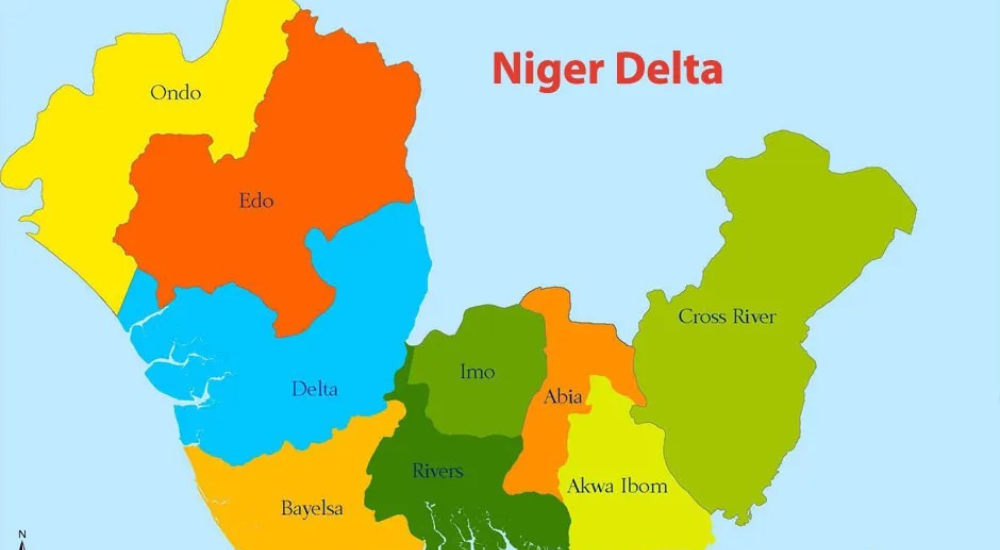
After decades of documenting oil spills, gas flaring and environmental degradation, communities across the Niger Delta are shifting their focus to an equally pressing question: how to heal landscapes and livelihoods damaged by nearly 70 years of oil exploration.
The conversation took centre stage at a one-day Community Assembly organised by Oilwatch International under the theme, “Reclaiming Ecological Integrity in the Niger Delta: From Environmental Damage to Ecological Restoration; The Role of Host Communities in Reclaiming Their Land.”
The meeting brought together representatives of more than 15 oil-bearing communities, environmental advocates and civil society groups to explore community-led approaches to restoring degraded ecosystems.
Speaking at the event, the Coordinator of Oilwatch International and Programme Manager of Environmental Rights Action, Kentebe Ebiaridor, said the initiative marks a transition from merely exposing environmental damage to identifying practical pathways for ecological recovery.
He noted that while decades of advocacy have highlighted the devastating impacts of oil exploration—including oil spills, gas flaring, pollution and climate-related challenges—the next phase of the struggle must focus on restoring damaged environments and rebuilding livelihoods.
Advertisement
According to him, communities have borne the brunt of environmental degradation since oil was first discovered in the region, making it imperative that they now lead discussions on how their lands should be restored.
“Our focus is on ecological integrity,” Ebiaridor said. “We want communities to look beyond the scars of pollution and begin to reconnect with their environment and their livelihoods. This assembly provides a platform for affected communities to identify the environmental challenges they still face and collectively determine the way forward.”
He disclosed that discussions at the assembly revealed emerging environmental concerns beyond the familiar issues of oil spills and gas flaring.
Participants reported flooding in communities that had never experienced such incidents before, renewed gas flaring in some locations where it had previously ceased, and unusual environmental occurrences in communities such as Bille, where residents reported bubbling from both land and surrounding water bodies.
Similar concerns, he said, were raised by participants from Alakiri and other communities.
Ebiaridor explained that rather than prescribing solutions, Oilwatch International intends to document the concerns and recommendations emerging from the assembly and use them to strengthen advocacy directed at governments, lawmakers and relevant institutions.
He acknowledged that environmental issues may receive limited attention as political activities intensify ahead of the next electoral cycle but insisted that the organisation would continue engaging policymakers until the communities’ demands are addressed.
Advertisement
Delivering a presentation, the Chief Operating Officer of Environmental Conservation Agriculture and Rural Development (ECARD), Comrade Alagoa Morris, described the assembly as a continuation of decades of environmental monitoring undertaken by host communities, environmental advocates and the media.
He recalled that for more than two decades, community volunteers and civil society organisations have travelled through creeks, rivers and mangrove forests documenting oil spills, gas leaks and gas flaring incidents, often bringing pollution cases to public attention before regulators or oil companies acknowledged them.
According to Morris, sustained monitoring and documentation by environmental groups played a significant role in compelling oil companies, particularly the Shell Petroleum Development Company, to begin publicly reporting some pollution incidents.
He urged host communities to become more deliberate in documenting environmental incidents by keeping records of spill locations, dates, photographs, video evidence and Joint Investigation Visit (JIV) reports, describing such information as essential tools in the pursuit of environmental justice.
“Environmental justice is not limited to compensation,” Morris said. “It also includes restoring degraded ecosystems so communities can once again benefit from healthy land and water.”
He encouraged participants to compile inventories of both historical and current polluted sites within their communities to support future remediation efforts and strengthen demands for ecological restoration.
Morris also referenced the ongoing Ogoni cleanup, initiated following the recommendations of the United Nations Environment Programme (UNEP), as an important model for expanding environmental restoration across the wider Niger Delta.
Advertisement
He further cited the Bayelsa State Oil and Environment Commission Report as another key framework that should guide future remediation efforts in oil-producing communities.
Participants at the assembly agreed that ecological restoration requires stronger community participation, improved environmental documentation and sustained advocacy to ensure polluted lands and water bodies are effectively restored.
The meeting concluded with a commitment by participating communities to strengthen collaboration in pursuing environmental justice while ensuring that future restoration efforts are driven by the experiences and priorities of those who live daily with the consequences of oil exploration.