
Stakeholders Link Ilegal Mining To Insecurity In Kogi, Nasarawa
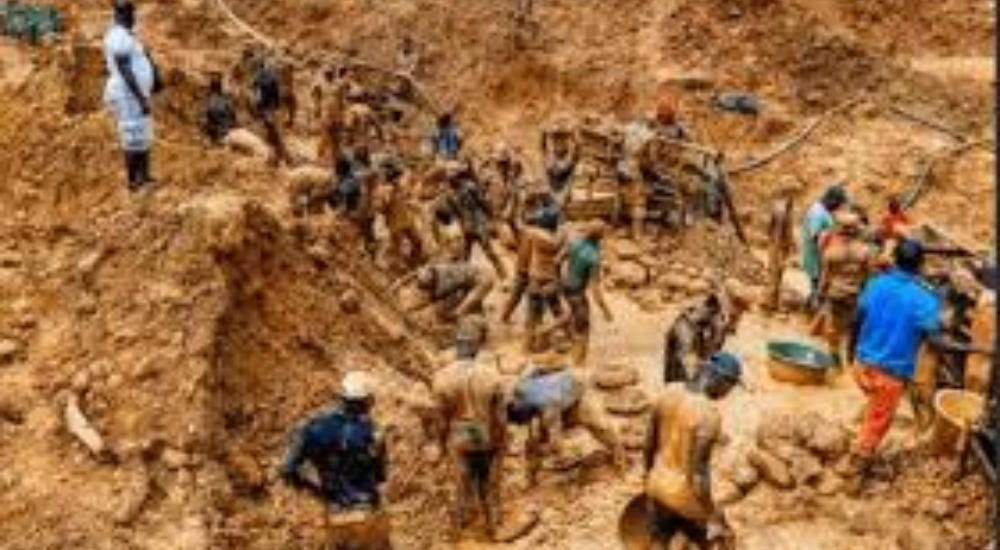
Stakeholders in Kogi and Nasarawa states have identified illegal and unregulated mining activities as major drivers of rising insecurity and criminality in communities endowed with strategic mineral resources.
The stakeholders stated this in separate interviews with the News Agency of Nigeria (NAN) during a survey on “Criminal Activities Linked to Strategic Mineral Resources”.
In Kogi, Dr Simeon Oyiguh, Coordinator of Kogi East Neighbourhood Security Watch, said there was a strong link between the presence of strategic minerals and increasing insecurity in many mining communities.
According to him, communities with commercially viable mineral deposits often witness higher levels of criminal activities due to illegal and poorly regulated mining operations.
“In many communities where valuable solid minerals are found, criminal activities have increased significantly. Most of these crimes are associated with illegal and unregulated mining activities,” he said.
Advertisement
Oyiguh also expressed concern over the environmental degradation and public health risks associated with illegal mining, noting that several such cases had been recorded in mining communities across the state.
He called for stricter regulation of mining activities, including mandatory Environmental and Health Impact Assessments, to protect host communities.
“The health and well being of residents should take precedence over the economic interests of government or private operators,” he said.
He further urged government to strengthen security surveillance around mining sites to curb criminal activities.
Meanwhile, the Kogi Government has suspended all mining activities in Ankpa Local Government Area to facilitate an ongoing environmental rehabilitation exercise.
Mr Muhammed Jamiu, Special Assistant on Media and Publicity to the Commissioner for Solid Minerals and Natural Resources, said the suspension affects all miners, mining associations, host communities and other operators in the area until further notice.
He said the rehabilitation exercise was being undertaken in collaboration with the Mining Association, Ankpa Local Government Council and the Kogi Ministry of Solid Minerals and Natural Resources.
Advertisement
According to him, mining activities will resume only after the completion of the rehabilitation exercise and an official announcement by the ministry.
Jamiu recalled that Gov. Ahmed Ododo had directed traditional rulers to stop allocating land to unknown persons for mining activities and advised youths against collaborating with criminal elements.
He added that the governor had also directed all miners to obtain the required licences from the Federal Government and register with the state for proper profiling, warning that violators would face the full weight of the law.
He said the measures were aimed at promoting responsible mining, environmental sustainability and improved security across the state.
Kogi is endowed with strategic minerals, including coal, iron ore and gold.
In Nasarawa State, Alhaji Nasiru Musa, a former Chairman of the National Union of Mine Workers (NUMW), attributed mining-related criminality to inadequate understanding of mining regulations and weak coordination among stakeholders.
Musa told NAN in Keffi that poor collaboration among government, miners and host communities had created loopholes being exploited by criminal elements.
“The major challenge in the mining sector is the lack of understanding and cooperation among government, miners and other stakeholders. This gap has exposed the sector to various criminal activities,” he said.
He noted that while states such as Zamfara and Katsina had taken steps to address mining-related crimes, Nasarawa still required stronger policies to regulate artisanal mining activities.
Advertisement
Musa advocated the establishment of Mining Skills Acquisition programmes and easier access to credit through cooperative societies to improve the operations of artisanal miners.
According to him, adequate training would reduce illegal practices and discourage criminal activities associated with mining.
“In Nigeria, Mining Skills Acquisition programmes should be available for artisanal miners, but they are largely absent.
“As a result, some miners resort to illegal methods to achieve their objectives. Proper training would equip them with the required knowledge and reduce criminal activities,” he said.
He also attributed some of the challenges to weak licensing procedures and inadequate profiling of artisanal miners.
According to him, government should register and profile all artisanal miners and encourage them to operate through recognised cooperative societies to improve monitoring and facilitate access to financial support.
He expressed confidence that such measures would significantly reduce criminal activities associated with strategic mineral resources in the state.