
Tinubu’s Order Directing EFCC To Unfreeze Osun Account Curious – ADC
The African Democratic Congress (ADC) has challenged President Bola Tinubu to clarify his claim that the Economic and Financial Crimes Commission (EFCC) acted on the strength of a court order in freezing the accounts of the Osun State Government.
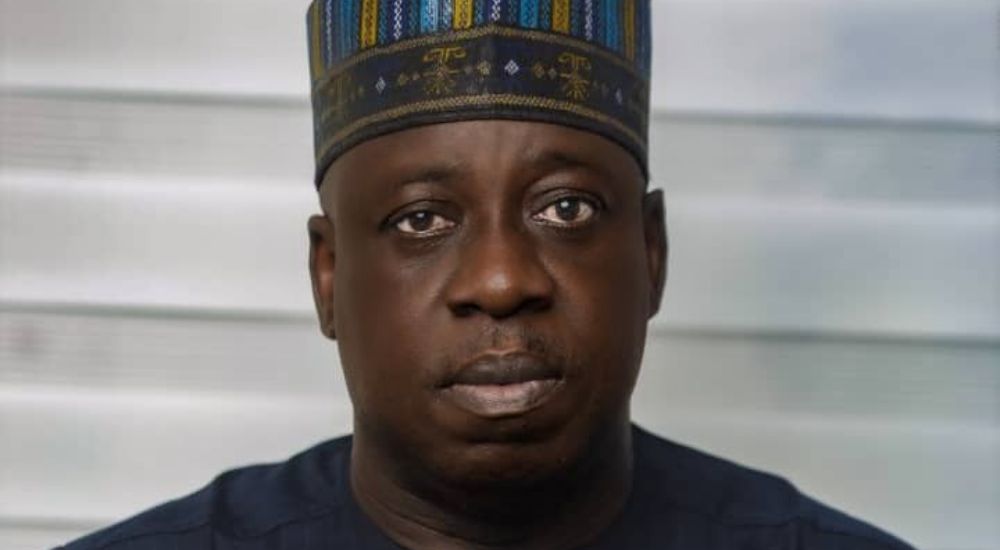
In a statement on Thursday by the ADC spokesman, Bolaji Abdullahi, the party described the President’s explanation as “curious and riddled with unanswered questions.”
The reaction followed Tinubu’s directive to the anti-graft agency to discontinue the freezing of the state’s accounts ahead of the forthcoming Osun governorship election.
While welcoming the President’s decision to reverse the action, the ADC insisted that his reference to an alleged court order had introduced a new dimension that the EFCC itself had never mentioned.
According to the party, the EFCC consistently defended the account freeze on the basis of its statutory powers and “preventive mandate” without claiming that it had obtained judicial authorisation.
The party noted that the EFCC’s freeze of Osun accounts came a few days after President Tinubu told visiting Catholic Bishops that he would fight the opposition “to the finish” in the 2027 general election.
Advertisement
“What we find most curious about the statement is the President’s repeated reference to an alleged court order authorising the freezing of the Osun State Government’s accounts,” the ADC said.
“In all of its public statements on this matter, the EFCC never once claimed that it had obtained a court order. The Commission consistently defended its actions on the basis of its statutory powers and what it described as its ‘preventive mandate.’ At no point did it inform Nigerians that a court had authorised its actions.”
The ADC therefore asked the President to disclose where he obtained the information about the alleged court order.
“The obvious question, therefore, is: where did the President obtain the information that a court order existed? If such an order exists, why was it never mentioned by the EFCC in its statement while defending one of the most controversial actions it has taken in recent times?” the party queried.
It further argued that Tinubu’s public admission that he directed the EFCC to withdraw the matter from court contradicts repeated claims that anti-corruption agencies operate independently of the Presidency.
Advertisement
The party maintained that if the President could instruct the EFCC to discontinue court proceedings because of political considerations, then it raised questions about the agency’s operational independence in other matters.
“The President also insists that he does not interfere in the operational activities of anti-corruption agencies, yet in the same statement, he publicly announces that he has directed the EFCC to approach the court, vacate the alleged order, and discontinue its case,” the statement said.
“If the President possesses the authority to direct the EFCC to withdraw from court proceedings because the political consequences may affect an election, then it follows that he possesses the authority to direct the Commission in other operational matters as well.”
The ADC also questioned why the directive was issued through a personally signed statement by Tinubu rather than through official government communication channels, describing the approach as unusual.
The party alleged that the reversal followed sustained public condemnation rather than a voluntary commitment to democratic principles, insisting that the initial freezing of the accounts amounted to an abuse of state power capable of influencing the Osun governorship election.
It added that, having demonstrated the capacity to direct federal agencies in what it described as the public interest, the President should also consider directing the Independent Corrupt Practices and Other Related Offences Commission (ICPC) to stop opposing the bail application of former Kaduna State Governor, Nasir El-Rufai.
Advertisement