
2027: Media, CSOs Call For Protection Of Journalists, Electoral Reforms
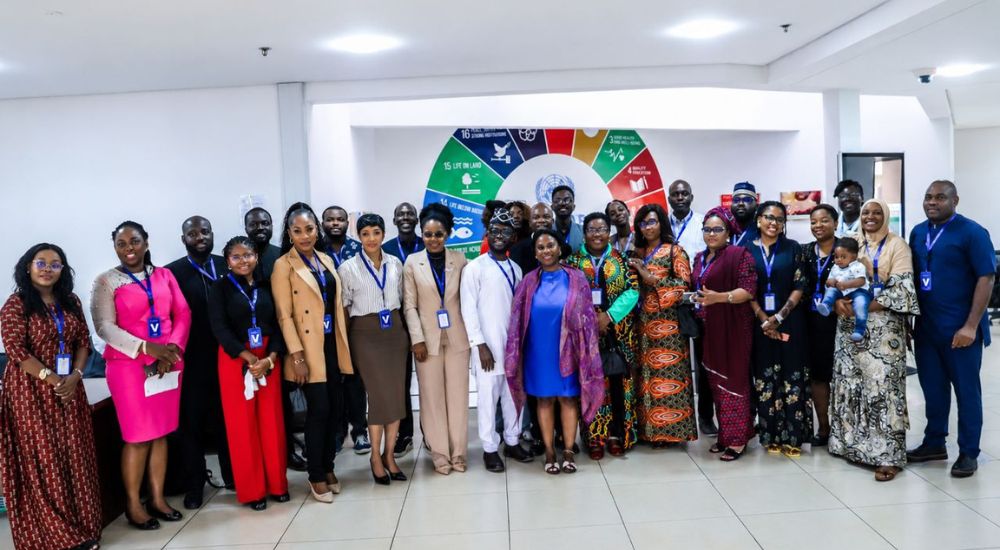
Media professionals, civil society organisations (CSOs), election observers and communication experts have called for stronger protection for journalists and wide-ranging electoral reforms ahead of the 2027 general elections.
The call was contained in a communiqué issued at the end of a media–CSO roundtable on strengthening partnerships for credible, peaceful and inclusive elections held on Tuesday.
THE WHISTLER reports that the roundtable was convened by Journalists for Human Rights (JHR) in collaboration with the United Nations Office of the High Commissioner for Human Rights (OHCHR).
Participants said the growing challenges around election coverage in Nigeria require stronger coordination between the media and civil society groups to ensure “a more coordinated, transparent and secure information environment during elections.”
According to the communiqué, the dialogue focused on strengthening collaboration between the media and CSOs, addressing structural and operational gaps in electoral reporting, and identifying measures to support improved transparency and safety during elections.
The stakeholders recommended the establishment of a “verified central platform for timely electoral information accessible to media and CSOs,” while also urging the Independent National Electoral Commission (INEC) to conduct “mandatory mock tests of election technologies before elections” and formally recognise the media as “a key stakeholder in the electoral process.”
Advertisement
They further called for post-election documentation of cases involving “journalist harassment, denial of access to information, polling units, and collation centres,” describing such records as necessary for accountability and reform.
The communiqué also recommended deeper collaboration between media and CSOs, including the creation of a joint platform for sharing “information, resources, and verified content,” as well as mapping CSOs by thematic expertise to improve sourcing and reporting.
It added that CSO field personnel could be deployed as correspondents in areas where media presence is limited to bridge information gaps during elections.
On funding and resource mobilisation, participants called for structured support through CSOs and transparent external partnerships to strengthen media capacity for election coverage. They also backed the Broadcasting Organisations of Nigeria (BON) proposal for a shared resource pool for “information, footage, photographs, and other content.”
Security concerns featured prominently in the communiqué, with stakeholders proposing a Security Accord involving media organisations, CSOs, security agencies and other actors. The Accord, they said, should provide “a formal framework for protecting journalists during election coverage.”
Advertisement
They also recommended an Inter-Agency Consultative Security Committee with embedded media and CSO representation, alongside regular engagement between INEC, security agencies, media organisations and CSOs ahead of elections.
Participants stressed the importance of continuous training for journalists, students and digital content creators before, during and after elections, with emphasis on “AI tools, fact-checking and combating misinformation and disinformation.”
The communiqué further urged media organisations to establish dedicated fact-checking desks, noting that “verification should be treated as a core editorial responsibility during elections.”
It also called for independent channels for journalists to share sensitive but verified information that may not be published through primary platforms, as well as a digital portal to enable journalists and bloggers in underserved areas to submit reports for wider dissemination.
On voter participation, stakeholders urged intensified public enlightenment campaigns to address voter apathy and called for stronger collaboration between media and CSOs on civic education and voter awareness initiatives.
The roundtable placed strong emphasis on journalist welfare, particularly mental health and post-trauma support. It called for “structured psychosocial support mechanisms for journalists covering elections, particularly those deployed to conflict-prone and violence-affected areas.”
Advertisement
It further recommended access to counselling, therapy and post-trauma care for journalists exposed to violence or intimidation, noting that “mental health and trauma awareness training should be incorporated into pre-deployment preparations for election reporting.”
Newsrooms were encouraged to adopt welfare policies that include psychological support systems, debriefing sessions and referral pathways for journalists experiencing trauma-related stress, while stressing that “the physical, emotional and psychological wellbeing of journalists should be recognized as essential to professional, ethical and effective election coverage.”
Participants reaffirmed their commitment to a free, safe and well-resourced media environment, describing it as a cornerstone of credible elections and democratic governance in Nigeria, and urged INEC, security agencies, media regulatory bodies, civil society organisations, media proprietors and development partners to implement the recommendations.