
Congo Ebola Outbreak Becomes Fastest-Growing In History, Killing 1,500
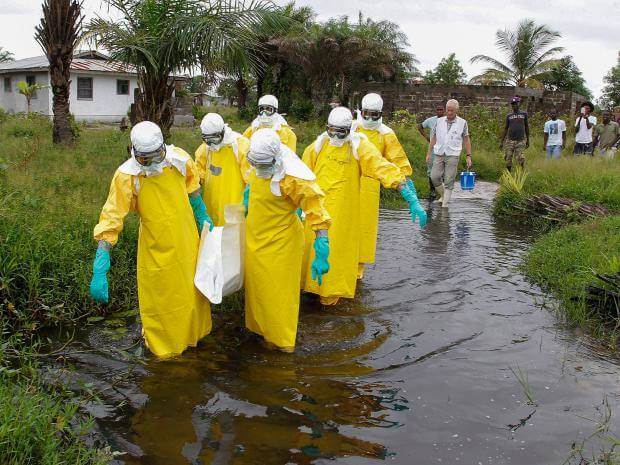
The death toll from the Ebola outbreak in eastern Democratic Republic of Congo has surpassed 1,500 people, official data released on Thursday showed, a rise of approximately 50 per cent in just one week that underscores how severely the outbreak is outpacing response efforts.
The current outbreak, declared on 14 May 2026 in the Ituri Province of eastern Congo, has become the fastest-growing Ebola outbreak on record, reaching its grim milestones nearly three times faster than the devastating 2014 to 2016 West Africa epidemic that killed more than 11,000 people and remains the deadliest in history.
The outbreak is caused by the Bundibugyo ebolavirus, a rare strain of the virus that has complicated response efforts because existing Ebola treatments were certified for a different species, the Zaire ebolavirus, meaning there is currently no approved vaccine or treatment for the strain now spreading across eastern Congo.
Cases have spread beyond Congo’s borders. Infections have been confirmed in Uganda’s capital, Kampala, as well as in Congo’s North Kivu, Haut-Uélé, Tshopo and South Kivu provinces. The World Health Organisation declared the outbreak a Public Health Emergency of International Concern on 16 May 2026.
Eighty per cent of new cases are emerging from unknown chains of transmission, according to the WHO, a sign the outbreak is spreading faster than health officials can track despite an expanding response.
Congo’s public health institute said transmission remains sustained, with recent fluctuations in cases likely influenced by reporting delays and ongoing data consolidation.
Advertisement
Response efforts face severe obstacles. Health workers at treatment centres have gone on strike after weeks of dangerous work without pay from the Congolese government, with striking staff including epidemiologists, case investigators, drivers and gravediggers blocking access to facilities.
Mistrust and resistance from local communities remain among the biggest challenges, with rumours about treatment centres, fear of isolation and resistance to safe burials leading people to avoid testing or seek care only after becoming critically ill.
Only around 77 per cent of known contacts are being monitored nationwide, well below the 95 per cent target that health officials say is needed to interrupt transmission.
A funding gap and ongoing armed conflict in eastern Congo have further hampered containment efforts.
Canada has imposed temporary entry restrictions barring foreign nationals who have recently visited Congo from entering the country, citing the Ebola risk.
Advertisement