
Gas, Not Guesswork, Will Power Nigeria’s Future — Ojulari
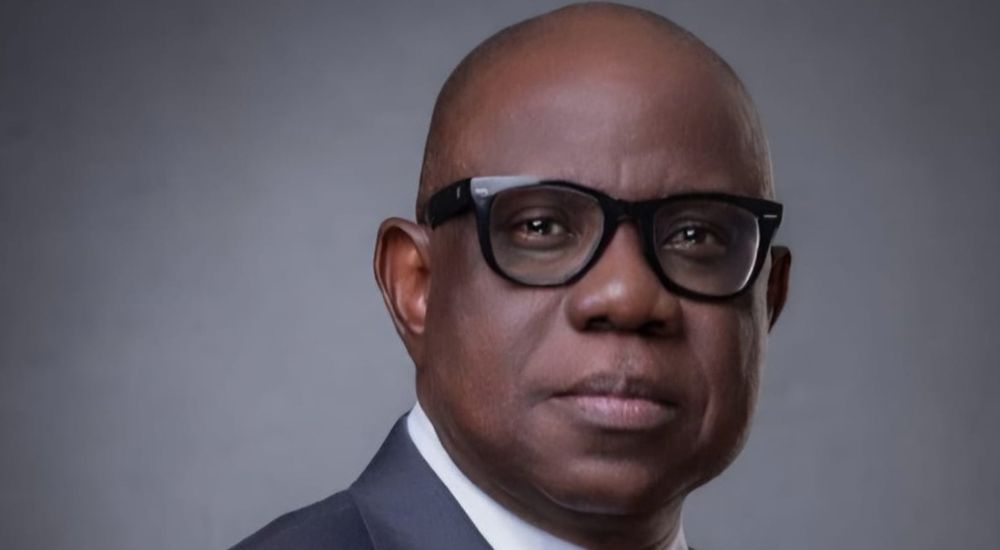
The Group Chief Executive Officer of the Nigerian National Petroleum Company Limited, Bashir Ojulari, has said Nigeria’s vast natural gas reserves will play a decisive role in driving the country’s economic growth and shaping Africa’s long-term energy outlook.
Speaking on Tuesday at the Nigeria International Energy Summit 2026 in Abuja, Ojulari described the nation as a critical energy player, citing its estimated 37 billion barrels of crude oil and 209 trillion cubic feet of gas.
He said these resources place Nigeria in a strong position to support both continental development and global energy stability.
According to him, gas remains central to the country’s development blueprint.
“Nigeria’s pathway to a prosperous future lies in our collective ability to leverage our resource abundance, especially as gas sits at the heart of our strategy. It is our bridge to a cleaner future, our engine for industrialisation, and our foundation for export-led growth,” Ojulari said.
Advertisement
He explained that natural gas offers the most practical route to expanding domestic industries, ensuring reliable power supply and strengthening export earnings, while also enabling a cleaner energy mix.
The annual summit, which serves as the Federal Government’s flagship platform for energy policy dialogue, investment promotion and innovation, is in its ninth edition this year under the theme “Energy for Peace and Progress: Securing Our Shared Future.” NNPC Ltd is the national sponsor.
Ojulari said the company’s gas-focused strategy is expected to energise homes, revive manufacturing, support fertiliser production and increase foreign exchange inflows.
He pointed to ongoing infrastructure projects such as the Ajaokuta–Kaduna–Kano pipeline, the OB3 pipeline, the expansion of the Escravos–Lagos Pipeline System, and other regional networks, describing them as “highways for economic opportunity.”
He added that sustained investments in gas processing, utilisation and liquefied natural gas projects are improving supply reliability at home while enhancing Nigeria’s standing as a regional energy hub.
Advertisement
Addressing broader global concerns, the NNPC chief linked energy security to peace and economic stability, urging policymakers to rethink how energy transitions are designed, particularly for developing nations.
He said the continent faces a unique reality, noting that more than 600 million Africans still lack electricity access and therefore cannot simply replicate models used elsewhere.
“Our approach must be just, equitable and people-centred—one that lifts our people out of poverty, powers industries, supports agriculture, transforms transportation and unleashes the creativity of Africa’s youth,” he said.
Ojulari maintained that dependable energy systems determine whether economies expand and societies remain stable. He warned that transition strategies that neglect affordability and access could slow development and worsen poverty.
He reiterated Nigeria’s intention to pursue an energy pathway that balances industrial growth with environmental responsibility and regional cooperation, positioning energy as a tool for shared prosperity rather than a constraint.
Advertisement