
INTERVIEW: Mustapha’s Nomination Revives Kwankwaso Godfather Fears – Fagge
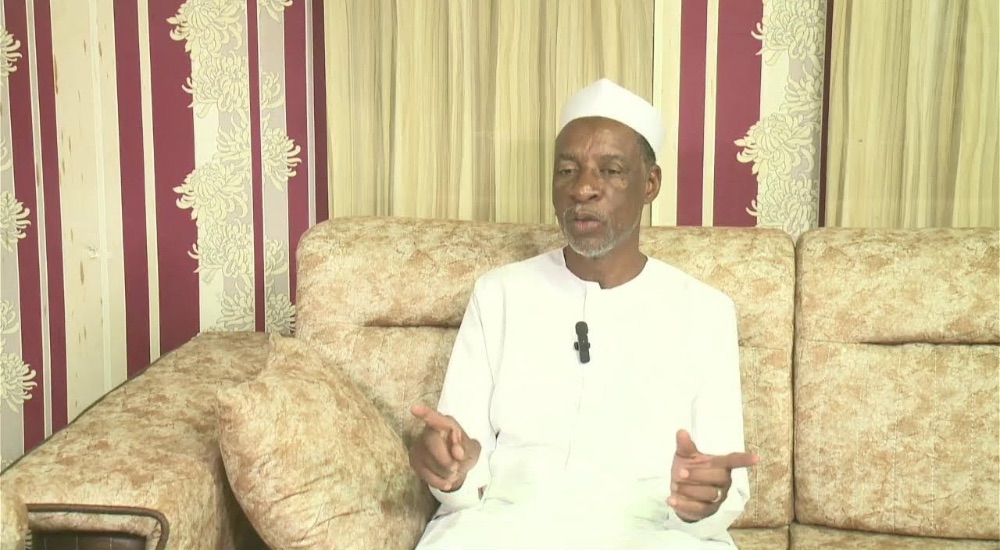
The decision by the National Democratic Congress (NDC) governorship candidate in Kano State, Aminu Abdussalam Gwarzo, to pick Mustapha Rabiu Kwankwaso, son of Kwankwasiyya leader and former governor, Senator Rabiu Musa Kwankwaso, as his running mate for the 2027 election, risks repeating the pattern of political fallouts that have trailed the senator’s past alliances, a renowned political analyst, Prof. Kamil Sani Fagge, warned.
Prof. Fagge is a prominent Professor of political science and international relations at Bayero University Kano.
In an interview with our correspondent, Fagge said the move fits into a wider trend of dynasty-building in Nigerian politics, and cautioned that an overbearing approach by Kwankwaso could trigger fresh friction with the very ticket he is backing, echoing his past falling-outs with former deputy-turned-rival, Abdullahi Umar Ganduje, and the incumbent governor, Abba Kabir Yusuf.
Excerpts:
Northern Nigeria has a long history of godfatherism. Does Kwankwaso fielding his son as running mate to Gwarzo deepen that pattern, or is this something different?
In a democracy, every qualified person has the right to contest an election or elect a candidate of his choice; there is supposed to be a level playing field. But since Nigeria’s return to civil rule in 1999, we have been recycling the same set of people.
Advertisement
Some started as councillors and rose to local government chairmen, state assembly members, and even governors and ministers, and our politicians have developed a tendency to want to remain in power indefinitely.
There is also a growing trend of dynasty-building. Politicians are propping up their children, or where they have none, their loyalists, to take over from them.
What is happening in Kano now, with Kwankwaso fielding his son as running mate to Gwarzo, fits squarely into that trend. Even within Kano, we have seen it before with former governor Ganduje trying to anoint his son for a parliamentary seat, and he lost.
In Kaduna, El-Rufai positioned his son in the House of Representatives. We have seen it with James Ibori in Delta, and there is even talk, denied by the presidency, that President Tinubu may be positioning family for political office. This is the growing pattern.
Coming to Kano, what we are seeing is not unique. The real problem is not whether a candidate is qualified but whether a political godfather uses his influence to undermine democracy by imposing his preferred candidate over others.
Advertisement
That, I think, is at the root of godfatherism in Nigerian politics, and we are seeing its effects play out again.
Is this a sign Kwankwaso is doubling down on grooming a direct successor?
Not necessarily in the sense that this automatically makes Mustapha heir to the Kwankwasiyya movement.
There are personal qualities that make a political figure distinct; simply being the son of an influential man does not guarantee you can fit into that movement the same way.
But assuming he does manage to keep the Kwankwasiyya momentum going, I think we are likely to see a steep political rivalry by 2027.
How does this pick alter the balance of forces going into 2027, given the existing rivalry between Governor Abba Yusuf’s camp and Kwankwasiyya loyalists?
Advertisement
On one hand, Kwankwaso and the Kwankwasiyya movement will want to remain politically relevant and influential in Kano.
At the same time, Governor Abba Yusuf, who was part of the Kwankwasiyya movement until he recently decamped, is likely to be in sharp rivalry with them.
There will also be behind-the-scenes, and sometimes open, rivalry between Kwankwaso and Ganduje, his former deputy.
Each side knows that a defeat in 2027 could mean political irrelevance in state affairs, so I expect a very steep contest.
What’s the risk of fielding a candidate whose credibility may rest more on his father’s political capital than his own independent standing, especially if the ticket wins and Kwankwaso tries to wield influence through his son as deputy governor?
As things stand, I don’t think Kwankwaso has what it takes now to make further impact on Kano and Nigerian politics in his own right.
Even if the ticket wins, his influence would run through the deputy governor’s office, and constitutionally, a deputy governor has limited defined powers. So, it depends almost entirely on the whims of the governor.
If Kwankwaso tries to overshadow the substantive governor and make his son the de facto power behind the seat, that is likely to create friction.
If he manages affairs strategically, stays in the background and avoids being overbearing, he may succeed in grooming his son into a genuine political heavyweight.
Anything short of that risks repeating the pattern we have already seen including the fallout between Kwankwaso and Ganduje, and separately between Kwankwaso and Governor Abba Yusuf.