
ASEAN Urges U.S., Iran To Convert Ceasefire Into Permanent Peace
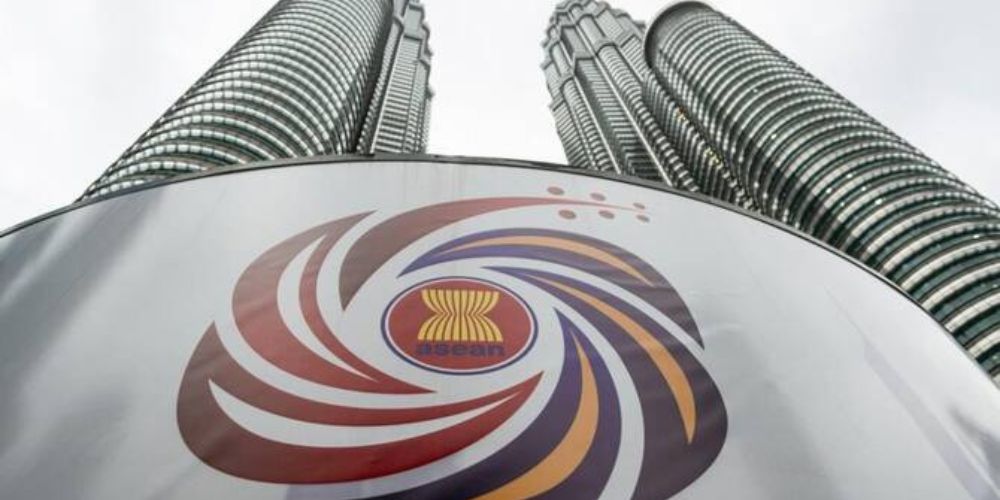
Southeast Asian nations have added their voices to growing international pressure on the United States and Iran, calling on both powers to build on their fragile two-week truce and negotiate a permanent end to a conflict that has rattled global energy markets and disrupted shipping lanes critical to the region’s economies.
In a joint statement issued on Monday, foreign ministers of the Association of Southeast Asian Nations welcomed the ceasefire announced on April 8 between Washington and Tehran, while pressing both sides to go further.
The ministers urged the two nations to continue negotiations toward a permanent settlement and called specifically for the full restoration of safe, unimpeded maritime and air passage through the Strait of Hormuz in line with the 1982 United Nations Convention on the Law of the Sea.
The statement also stressed the safety of seafarers and vessels under international maritime conventions.
The ASEAN appeal carries particular weight given how directly the bloc’s economies are exposed to the crisis. Roughly 20 percent of the world’s oil and natural gas normally passes through the Strait of Hormuz, and disruptions caused Brent crude prices to jump sharply, with analysts warning they could reach $100 per barrel or higher if the situation persists.
Advertisement
For energy-dependent Southeast Asian economies, prolonged instability in the Gulf is not an abstract concern but a direct threat to fuel supplies, manufacturing costs, and trade flows.
The ceasefire the ministers welcomed was itself the product of intense diplomatic effort. The two-week truce, brokered by Pakistan, followed fierce exchanges of air strikes, missile attacks and threats that saw unprecedented strikes on Gulf nations and disrupted global shipping routes.
Pakistani Prime Minister Shehbaz Sharif described both parties as having displayed “remarkable wisdom and understanding” in reaching the agreement.
However, the truce has shown serious signs of strain even before ASEAN issued its statement.
Peace talks in Islamabad between Vice President JD Vance and an Iranian delegation collapsed on Sunday after Iran declined to meet several U.S. red lines, including a complete halt to uranium enrichment and the full opening of the Strait of Hormuz without charging transit tolls.
Advertisement
Following the breakdown, President Trump announced a naval blockade of Iranian ports, with U.S. Central Command saying the blockade would commence at 10 a.m. ET on Monday.
Iran said the two sides had reached an understanding on a number of issues but that talks ultimately did not produce an agreement.
Tehran has maintained that its nuclear programme is civilian in nature and that it has the right to continue uranium enrichment for that purpose.
The ceasefire window, which was set for two weeks from April 8, had already been tested almost immediately, with ships once again being prevented from moving through the strait by April 9 as Iran restricted and conditioned traffic while Israeli strikes on Lebanon continued.
The ASEAN statement commended mediation efforts, including those by Pakistan, and called on all parties to uphold international law on freedom of navigation and overflight.
The group’s intervention reflects a broader wave of international appeals, coming alongside similar calls from European nations and Pope Leo XIV, who has repeatedly urged both sides toward dialogue and an off-ramp from escalation.
Advertisement
With the two-week ceasefire window set to expire around April 22 and the U.S. naval blockade now taking effect, the pressure on both Washington and Tehran to return to the negotiating table is mounting rapidly.
How both sides respond in the coming days will determine whether the truce holds or the conflict enters a dangerous new phase.