
FG Halts 30% NNPC Deductions, Eyes Transparent Petroleum Revenue Management
The Federal Government has suspended the 30 percent management fee and frontier exploration fund deductions from profit oil and profit gas under Production Sharing Contracts (PSCs) as part of broader reforms aimed at enhancing transparency, accountability, and fiscal discipline in Nigeria’s petroleum sector.
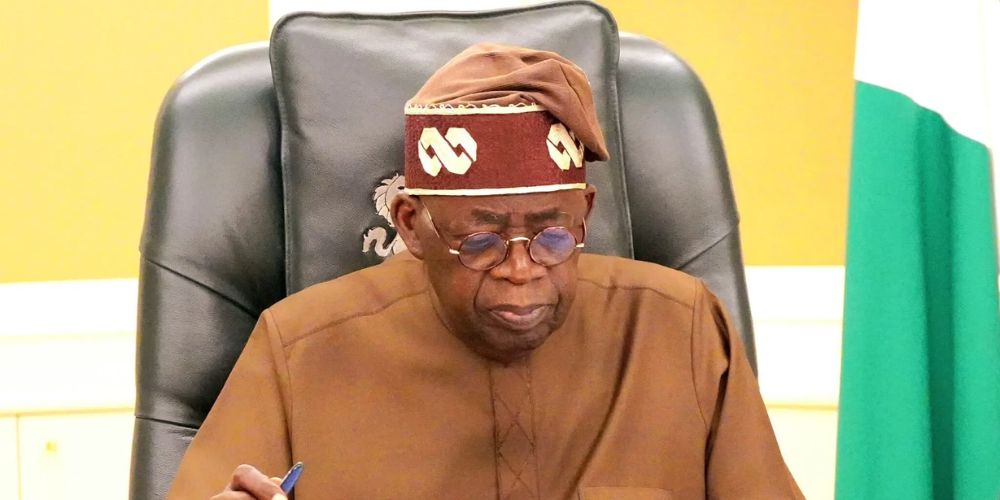
The move comes under Executive Order 9 of 2026, issued by President Bola Tinubu, which directs that revenues accruing to the Federation from petroleum operations be handled in a manner that upholds constitutional principles, protects federal revenue streams, and supports the fiscal stability of all three tiers of government.
The inaugural meeting of the Executive Order 9 Implementation Committee, held on February 26, 2026, set the stage for the operationalisation of the reforms.
At the meeting, the Committee reaffirmed the President’s directive that NNPC Limited must cease, with immediate effect, the collection of the 30 percent management fee and the 30 percent frontier exploration fund deductions.
In addition, remittances of gas flare penalties into the Midstream and Downstream Gas Infrastructure Fund (MDGIF) were suspended.
Advertisement
The Committee noted that while these deductions had historically contributed to federal and sectoral funding, the Executive Order prioritizes the protection of the Federation Account and the transparent management of petroleum revenues.
The reforms are intended to ensure that Nigeria’s oil and gas resources deliver tangible benefits to citizens across all levels of government.
In line with Section 2, Sub-section 3 of the Executive Order, contractors are to make direct payments of profit oil, royalty oil, and tax oil into the Federation Account.
Recognising the potential disruption this could cause if implemented abruptly, the Committee approved a defined transition period to maintain investor confidence and respect existing contractual obligations.
During this period, contractors will continue remitting revenues under the current system, while the Committee develops detailed operational guidelines for direct remittance.
Advertisement
To guide the transition, a Technical Subcommittee was established. The Subcommittee, to complete its work within three weeks, is tasked with drafting detailed guidelines for the operationalisation of direct payments and reviewing the Petroleum Industry Act to identify structural and fiscal anomalies that weaken federal revenue flows.
The Subcommittee will be led by the Special Adviser to the President on Energy and will include key officials: the Solicitor-General of the Federation and Permanent Secretary of the Federal Ministry of Justice, the Chairman of the Federal Inland Revenue Service, the Chairman of the Forum of Commissioners of Finance, and representatives of the Ministry of State Petroleum Resources. Secretarial support will be provided by the Budget Office of the Federation.
The Committee emphasised that all processes would adhere strictly to regulatory and contractual standards, ensuring that the transition to direct remittance is orderly and fully compliant with Nigerian law.
It also highlighted that the reforms are in line with global best practices for the management of petroleum revenues, balancing fiscal discipline with the need to maintain investor confidence.
Speaking at the meeting, Finance Minister and Coordinating Minister of the Economy, Wale Edun, who chairs the Implementation Committee, stressed the significance of the reforms for the fiscal sustainability of the nation.
He noted that direct remittance and the suspension of NNPC deductions would help reduce leakages, improve transparency, and ensure that revenues are deployed effectively for national development.
Advertisement
The Committee further pledged to provide regular updates to stakeholders and the public, underscoring that the reforms are intended not only to safeguard federal revenues but also to strengthen governance, enhance accountability, and ensure that Nigeria’s petroleum wealth benefits the populace in a measurable and equitable manner.
In conclusion, the Executive Order 9 Implementation Committee reaffirmed the Federal Government’s commitment to protecting public resources, enforcing fiscal discipline, and promoting transparent management of petroleum revenues as a cornerstone of Nigeria’s economic strategy.