
FG Proposes Drought Management To Tackle Land Desertification
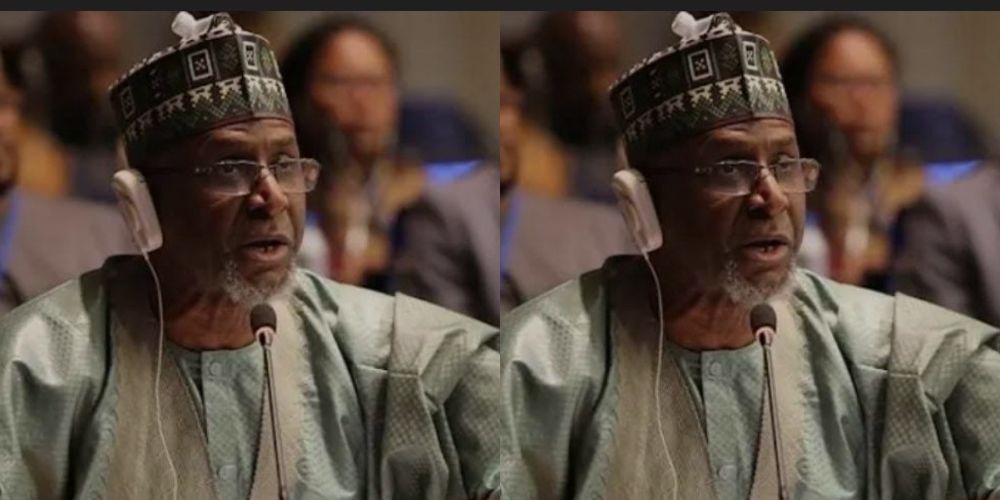
The Federal Government has called for a shift from reactive measures to proactive, early-warning drought management strategies to curb accelerating land degradation and desertification in the country.
The Minister of Environment, Malam Balarabe Lawal, made the call in an interview following COP17 in Ulaanbaatar, Mongolia.
Lawal said that Nigeria remained committed to achieving its land degradation neutrality targets and advancing the objectives of the Great Green Wall initiative.
He said that land degradation, desertification and drought were affecting food security, livelihoods, water resources, migration and stability, with about 50 per cent of Nigeria’s land degraded.
“Nigeria needs stronger international cooperation on climate finance, water security, land restoration, food systems and soil health to address the challenges,” he said.
Lawal said that countries must move from responding to drought after it occurs to anticipating and preparing for its impacts through effective early warning mechanisms.
Advertisement
He said that Africa remained on the front lines of land degradation, desertification, and drought, stressing the need to translate international commitments into measurable actions.
The minister said that COP17’s success should be measured by tangible changes delivered on the ground, rather than the number of decisions adopted by participants.
He urged countries to move from words to action, from commitments to delivery, and from ambition to measurable results that would improve people’s lives and livelihoods.
Lawal said that Nigeria supported the International Year of Rangelands and Pastoralists 2026 to give greater recognition to pastoral communities and strengthen their resilience.
He pledged Nigeria’s readiness to work with the COP Presidency, UNCCD Secretariat and other parties to achieve practical, inclusive and nationally responsive outcomes.
Advertisement
Also, the Director-General of the National Agency for the Great Green Wall (NAGGW), Mr Saleh Abubakar, said Nigeria’s participation provided opportunities to exchange knowledge on land restoration.
Abubakar said that COP17 brought together governments, scientists, farmers, youths, civil society organisations and private sector stakeholders to address desertification, land degradation and drought.
He said that Nigeria would showcase its scientific knowledge and indigenous practices, while establishing research partnerships and strengthening cooperation among government, universities and communities.
The NAGGW director-general said the conference would help Nigeria access technical assistance and investment, improve drought preparedness and strengthen early warning systems.
He stressed the need for Nigeria to move from emergency response towards drought prediction, preparedness, adaptation and resilience to reduce vulnerability.
Abubakar assured that NAGGW would continue working with local and international partners to address desertification across Nigeria’s 11 frontline dryland states.
Advertisement
He said the efforts would improve food security, strengthen livelihoods and reduce conflicts between farmers and herders, while addressing land degradation.
COP17 with the theme: “Restoring Land, Restoring Hope,” provides a global platform for countries to deliberate on land degradation, desertification, drought management and sustainable land restoration.