FG Unveils AI-Driven System To Track Irregular Migrants, Orders Nationwide Crackdown
The Federal Government has announced plans for a nationwide crackdown on irregular migrants during the unveiling of a new Artificial Intelligence (AI)-driven tracking system capable of monitoring travelers who have entered Nigeria within the last decade.
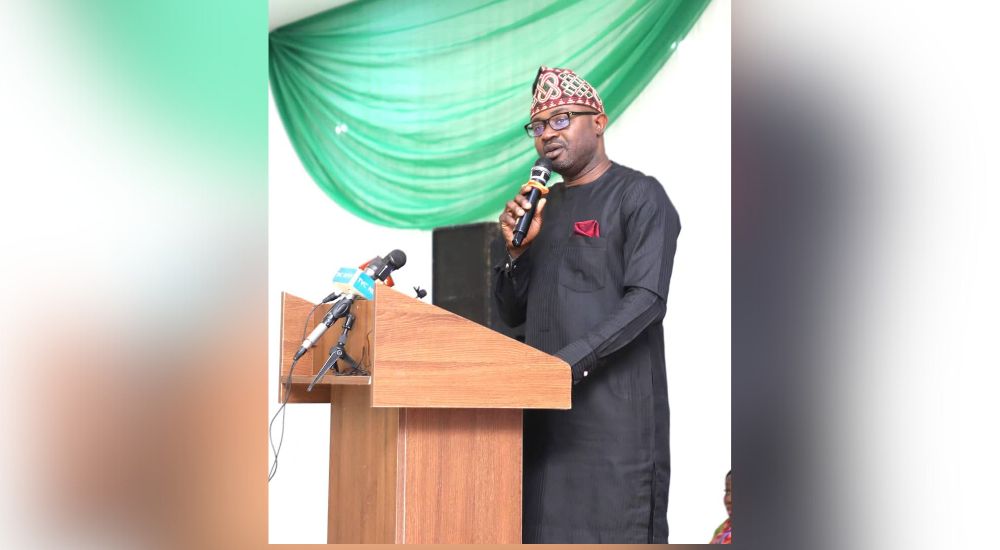
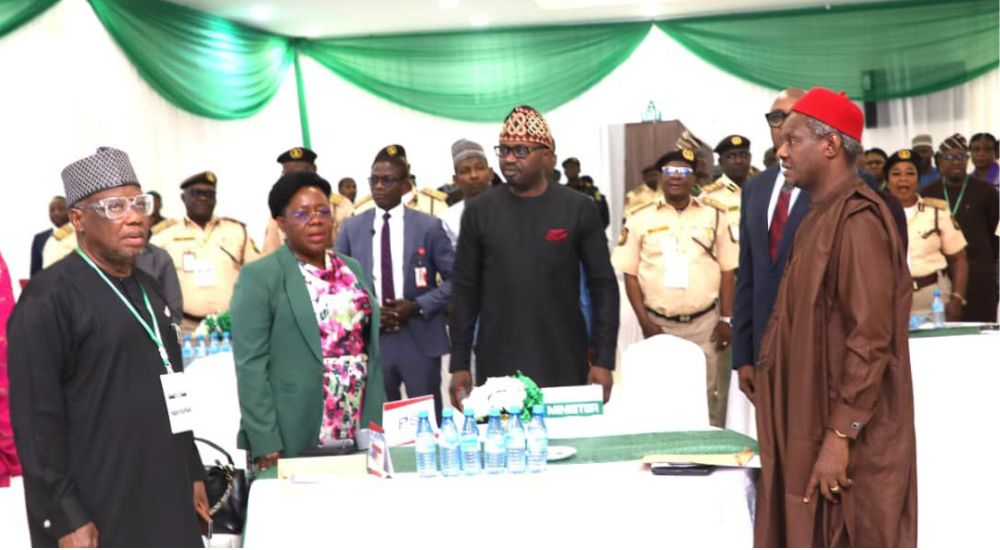
Minister of Interior, Olubunmi Tunji-Ojo, disclosed this on Thursday in Abuja during the 2026 Sectoral Performance Review Retreat of the ministry, stating that the government now has the capability to identify and locate foreigners who have overstayed their visas.
According to the minister, the development follows the establishment of an Integrated Operations Centre and a Network Operations Centre by the Nigeria Immigration Service (NIS), which allows authorities to access extensive records of individuals who have entered the country over the past ten years.
“In NIS, I know we are doing a lot already. As of today, we have been able to build our Integrated Operations Centre and the Network Operations Centre which we never had before. With that, we can access, in the last 10 years, everybody who has entered, where you came from, everything. We have all your records, we have everything; we know the exact people who have overstayed in our country, and we will go after them, with due respect,” Tunji-Ojo said.
He noted that the move aligns Nigeria with global immigration enforcement practices, stressing that the government must safeguard the integrity of its borders.
Advertisement
The minister added that the Nigeria Immigration Service is undergoing reforms aimed at transforming it into “an internal security enabler and a protector and guardian of our border space.”
Tunji-Ojo also addressed the Nigeria Security and Civil Defence Corps (NSCDC), urging the agency to ensure that specialized security services such as VIP protection are free from influence and corruption.
He emphasised that access to protection should not depend on personal connections.
Advertisement
“VIP protection must be corruption-free, where the son of a nobody will have the chance of being protected without knowing anybody,” he stated.
The minister further charged the corps to intensify its role in combating economic sabotage, describing such acts as “economic terrorism,” while ensuring that citizens facing genuine threats receive protection regardless of status or affiliation.
Turning to national identity management, Tunji-Ojo tasked the National Identity Management Commission (NIMC) with accelerating the enrollment of Nigerians into the national database.
While acknowledging progress already made, he stressed that national security efforts would remain incomplete until every Nigerian is captured in the identity management system.
“A lot of people have been captured, a lot of progress has been made, but not until every Nigerian has been captured, we cannot say we have succeeded,” he said.
Despite the approach of the 2027 general elections, the minister reassured Nigerians that the ministry’s core security mandate would not be affected.
Advertisement
“The 2027 polls won’t distract us from our mandate,” he said, warning agency heads that the government would enforce strict accountability for performance targets.
“There will be repercussions and consequences for non-delivery of targets in this era of business unusual,” he added.
The retreat also highlighted the need for significant reforms in Nigeria’s correctional system to address the problem of repeat offenders.
Tunji-Ojo argued that a correctional system that repeatedly returns individuals to custody has failed in its primary responsibility of rehabilitation.
“Anybody who goes in there must be reformed and transformed,” he said, stressing that the ultimate goal is to reduce recidivism to the barest minimum.
In her remarks, Permanent Secretary of the Ministry of Interior, Magdalene Ajani, emphasised the importance of accountability and performance in public service.
She described leadership as a combination of “devotion, promises, performance, and impact,” noting that the activities of the ministry’s agencies directly affect the daily lives of Nigerians.
Ajani added that transparency and institutional responsibility remain critical to maintaining national stability and public trust.