
Five Unique Marriage Cultures In Nigeria

Nigeria is a culturally diverse country with over 250 ethnic groups, each with its unique marriage customs and traditions. THE WHISTLER brings to you five unique marriage cultures in Nigeria.
Igbo Wine-Carrying Ceremony
The Igbo wine-carrying ceremony is usually performed during the traditional marriage also called the “Igba Nkwu”. It is a significant tradition in Igbo culture.
The ceremony symbolizes the bride’s acceptance of her husband and her new role in his family. The bride is usually adorned in traditional attire with jewelry.
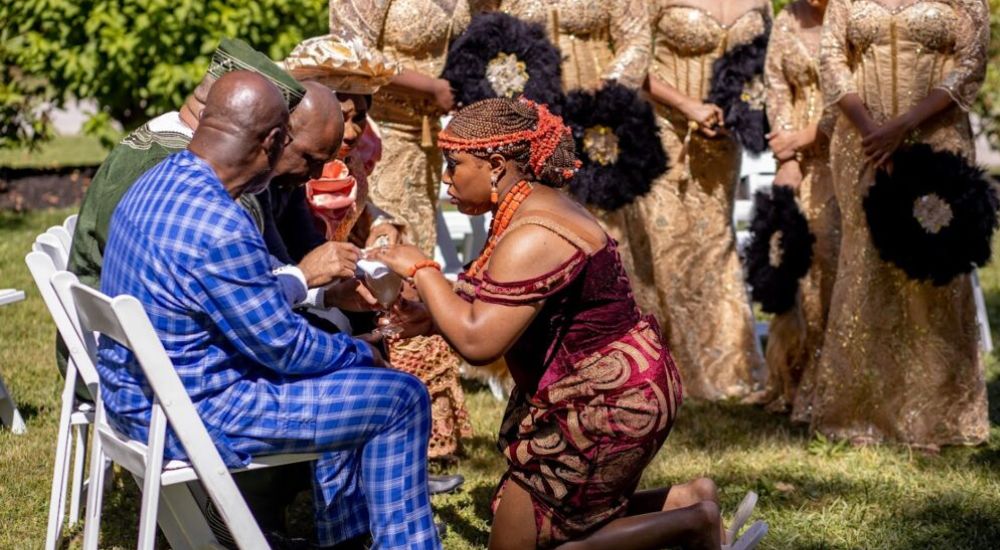
During the wine-carrying ceremony, a cup of palm wine is prepared and presented to the bride by her father or an elder in the family. The bride searches for her groom in the crowd, carrying a cup of wine.
When she finds him, she kneels and offers him the wine. The groom accepts the wine, symbolizing his acceptance of her as his wife. The crowd cheers, and the couple is showered with blessings and congratulations.
While the traditional wine-carrying ceremony remains an essential part of Igbo weddings, modern practices have evolved. Some couples now incorporate the ceremony into their wedding reception or modify it to suit their preferences. Others use champagne or other beverages instead of palm wine.
Advertisement
The ‘Henna Night’
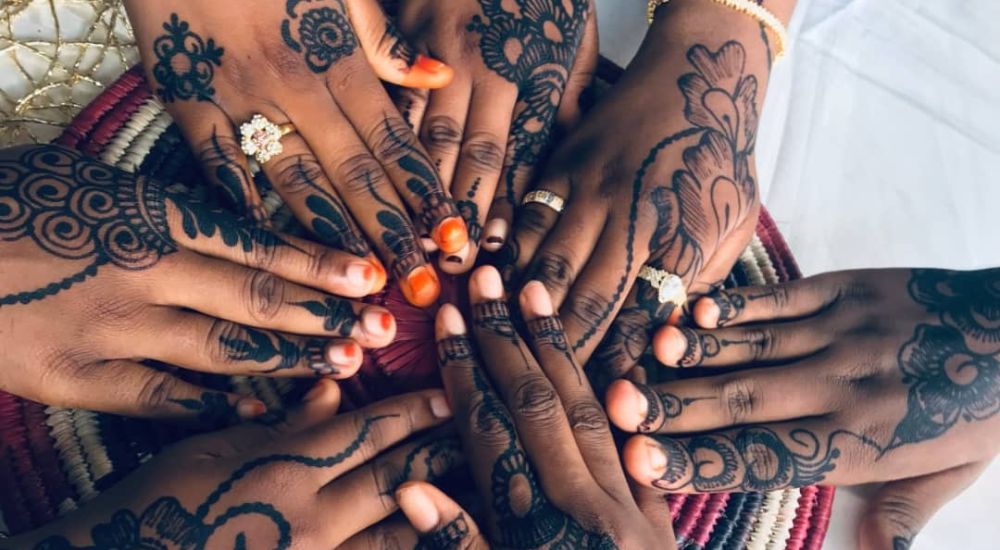
Hausa Bridal Henna Design, also known as “Henna Night”, is a significant tradition in Hausa culture, typically performed on the eve of a wedding. The decoration is a symbol of beauty, spirituality, and good luck for the bride.
During the ceremony, a paste made from henna leaves is prepared and applied to the bride’s hands and feet. Intricate designs and patterns are created on the bride’s skin using the henna paste.
Also, elders and relatives offer blessings and prayers for the bride’s future with women singing and dancing, celebrating the bride’s transition to married life.
Advertisement
While the traditional henna night remains an essential part of Hausa weddings, modern practices have evolved. Some brides now incorporate modern designs and patterns into the traditional henna art. Others may use alternative materials, like stickers or stencils, to create the designs.
The Fulani Sharo Festival
The Fulani Sharo festival is a unique tradition among the Fulani people in Nigeria. The festival is a test of strength, endurance, and courage for young men seeking to marry.
Young men interested in marrying prepare themselves physically and spiritually. The men are flogged by their peers in public, using canes or sticks.
The men must endure the flogging without showing pain or weakness. Those who successfully endure the flogging are considered eligible for marriage.
While the traditional Sharo festival remains an essential part of Fulani culture, modern practices have evolved.
Advertisement
Some communities now modify the flogging to minimize harm, using symbolic flogging or alternative tests of strength. Others incorporate modern elements, like music and dance, into the festival.

The ‘Fattening Room’ Marriage Tradition
The “Fattening Room” marriage tradition is a unique and fascinating custom of the Efik people, an ethnic group from Cross River State.
The Fattening Room is a pre-marriage ritual where the bride is pampered and prepared for marriage. The bride is secluded in a special room for several weeks or months.
She is fed rich foods and pampered with massages, beauty treatments, and rest. The goal is to enhance her beauty, health, and charm.
She is also taught about marriage, motherhood, and domestic skills. This unique tradition showcases the Efik people’s emphasis on beauty, health, and marriage preparation. While modernization has influenced the tradition, it remains an essential part of Efik culture and identity.
The Yoruba ‘Dobale’ Tradition
The Yoruba “Dobale” tradition is a significant custom in Yoruba culture, particularly during marriage ceremonies.
‘Dobale’ translates to “prostration” or “bowing” in Yoruba language.
The Dobale is a sign of respect, humility, and gratitude from the husband-to-be to his future in-laws. During the ceremony, the husband-to-be prostrates (dobale) before his in-laws, usually at the bride’s family home. He shows respect and gratitude for accepting him into their family. The in-laws offer blessings and prayers for the couple’s future together.
In Yoruba culture, the Dobale is a vital aspect of marriage ceremonies, emphasizing respect, humility, and family unity.
