
Iran Executes Man Accused Of Aiding US, Israel
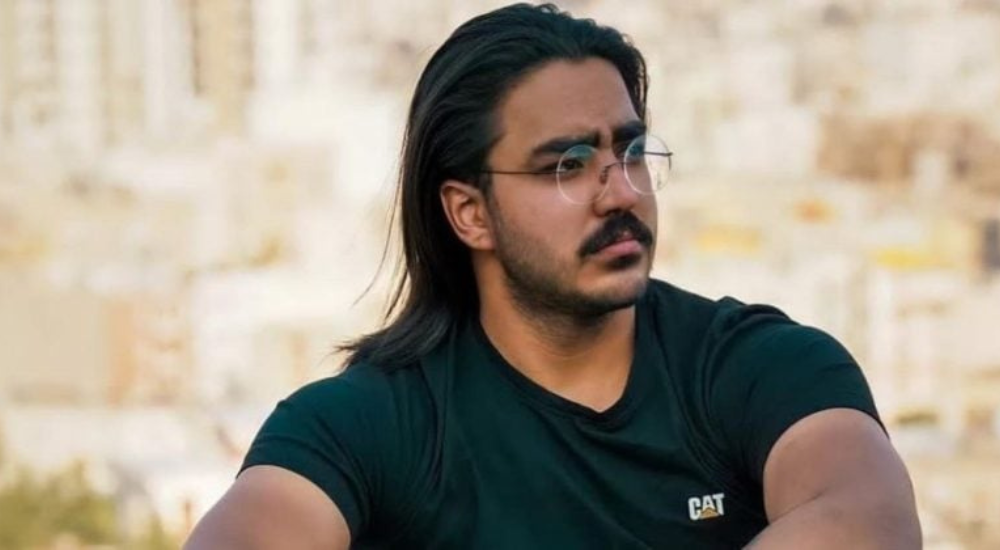
Iran has executed Majid Adineh, a man convicted of acting as an agent of the United States and Israel during the nationwide anti-government protests that swept the country in January 2026, according to a statement from the judiciary’s Mizan Online news service on Sunday.
The Karaj Revolutionary Court sentenced Adineh to death and ordered the confiscation of all his property after convicting him of “operational action in favour of hostile groups,” “deliberate arson, gathering and collusion with the intention of committing crimes against the country’s internal security.”
An appeal by Adineh was unsuccessful and the Supreme Court upheld the verdict, with his execution carried out on Sunday morning.
Adineh was arrested on January 9 in the Mohammadshahr area of Karaj in Alborz Province, northwest of Tehran, by intelligence forces of the Islamic Revolutionary Guard Corps.
Authorities claimed that a handgun, three magazines, 30 rounds of ammunition, two electric shock devices, two cans of tear gas spray, a battery-powered chainsaw and a bottle of gasoline were found in his possession at the time of his arrest.
Advertisement
The claims regarding the circumstances of his arrest and statements attributed to him could not be independently verified.
According to the latest data, 483 people have been put to death by Iranian authorities this year, many sentenced in connection with the January protests during which thousands were killed by security forces and tens of thousands more were detained.
Iran executed a record 1,639 people in 2025, the highest figure since 1989 according to human rights groups.
The protest movement was initially sparked in late December 2025 by grievances over rising living costs before rapidly evolving into widespread anti-government demonstrations that peaked on January 8 and 9.
Iranian authorities attributed the violence to what they described as “terrorist acts” orchestrated by the United States and Israel, framing the executions as necessary measures to protect national security.
Advertisement
Rights groups have consistently raised concerns about the conduct of trials, the use of coerced confessions and the application of the death penalty against protesters.