
Kaduna IGR Hits N10bn Monthly As Tax Reforms Boost Revenue — Sani
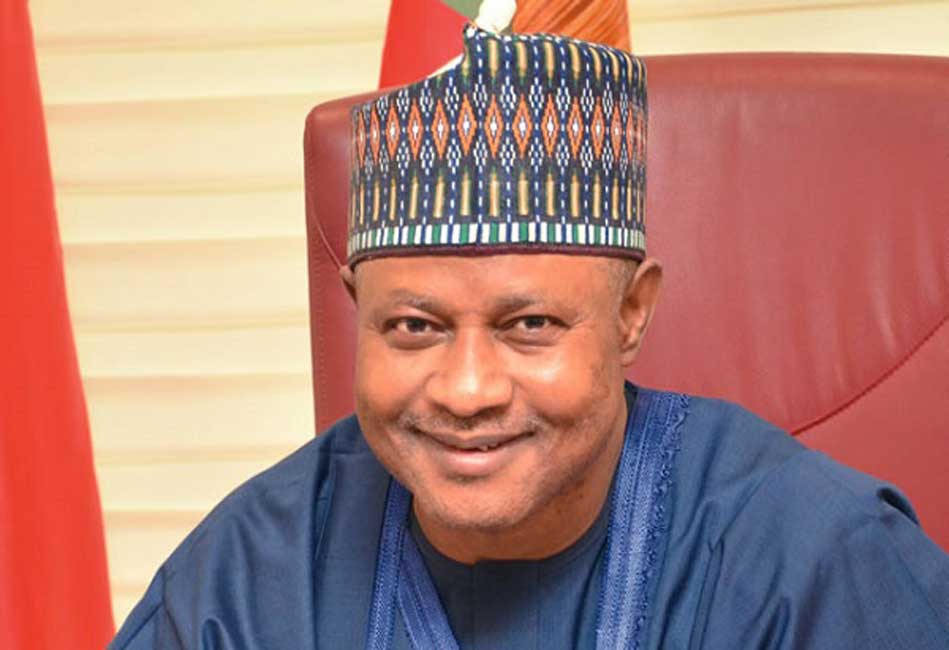
Kaduna State Governor, Uba Sani, has attributed the increase in the state’s internally generated revenue to ongoing reforms in tax administration, saying monthly collections rose from about N4 billion to N10 billion.
Sani disclosed this on Wednesday in Kaduna while speaking at the 160th meeting of the Joint Revenue Board, themed, “One Year of Tax Reform: Assessing Progress and Addressing Challenges.”
He said the improvement in revenue mobilisation was also reflected at the national level, with Nigeria generating about N21.6 trillion in the first half of 2026.
The governor said the country recorded N10.1 trillion in revenue in 2023, N21.6 trillion in 2024 and approximately N36.8 trillion in 2025.
He added that the N21.6 trillion generated between January and June 2026 represented a 49 per cent increase over the corresponding period of the previous year.
Sani commended President Bola Tinubu for pushing through what he described as a difficult overhaul of Nigeria’s tax system, including the legislation that transformed the Joint Tax Board into the Joint Revenue Board.
Advertisement
According to him, the reforms are aimed at addressing fragmentation in revenue administration, reducing multiple taxation and making compliance less burdensome for taxpayers.
“The objective, therefore, should not simply be to collect more revenue. It should be to build a tax system in which compliance becomes easier, enforcement becomes more intelligent and voluntary participation becomes the norm rather than the exception,” he said.
The governor also commended the Chairman of the Nigeria Revenue Service, Zach Adedeji, for his role in implementing the reforms and promoting a simpler and more predictable tax system.
Speaking on Kaduna’s experience, Sani credited the immediate past Executive Chairman of the Kaduna State Internal Revenue Service, Jerry Adams, and his team with raising the state’s monthly IGR from about N4 billion to N10 billion.
He said Kaduna had achieved the growth through investments in technology, improved revenue collection systems, professionalisation of its workforce and stronger engagement with taxpayers.
Advertisement
Sani said the state was more focused on expanding the tax base than imposing additional burdens on existing taxpayers.
He added that the broader reforms would deploy technology and electronic invoicing to curb revenue leakages, streamline tax administration and eliminate unnecessary overlaps.
The governor, however, stressed that improved revenue collection must go hand in hand with public trust, transparency and accountability.
“Sustainable taxation cannot rest on coercion alone. It must be founded on fairness, transparency, predictability and trust,” he said.
He maintained that taxpayers were more likely to comply when they understood their obligations, could access government systems easily and were confident that public revenue was being responsibly managed.
Sani said the reforms should ultimately produce a more efficient and sustainable domestic revenue system capable of providing government with the resources required to fund development.
Advertisement