
NMDPRA Targets Regional Petroleum Pricing Benchmark For West Africa
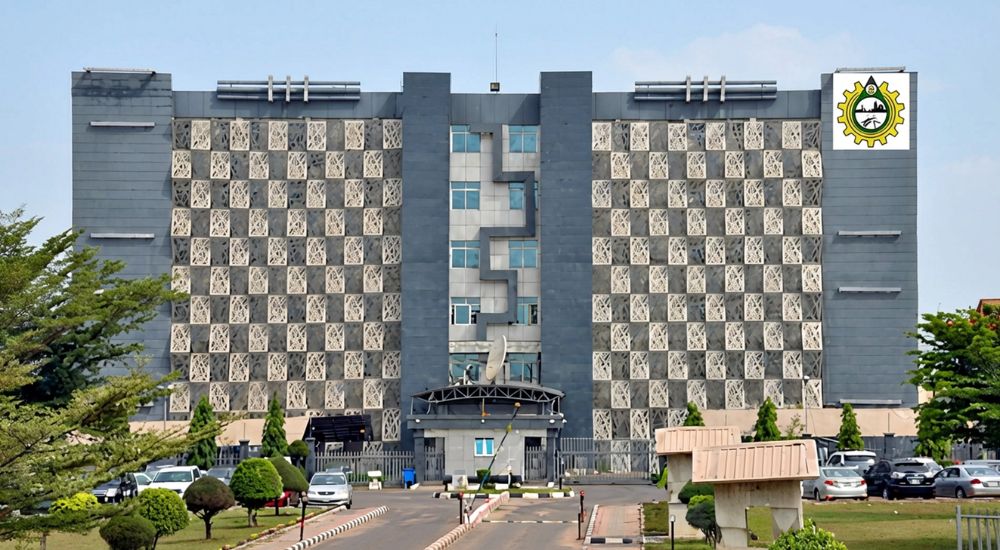
The Nigerian Midstream and Downstream Petroleum Regulatory Authority (NMDPRA) has called on petroleum regulators across West Africa to collaborate in developing a regional petroleum pricing benchmark, saying the initiative would reduce the region’s reliance on external commodity price references and strengthen transparency in the downstream market.
The Chief Executive Officer of the NMDPRA, Rabiu Umar, made the call on Thursday at a press conference in Abuja ahead of the 2nd West Africa Refined Fuel Market Conference, scheduled to hold from August 11 to 12.
The conference, organised by the NMDPRA in collaboration with S&P Global Commodity Insights and the West Africa Regulators Forum (WARF), is themed: “Funding West Africa Infrastructure and Distribution to Create a Transparent Market for Regional Price Benchmarks.”
Umar said the conference would provide a platform for regulators, investors and industry stakeholders to develop a transparent regional pricing mechanism capable of improving market confidence, facilitating cross-border petroleum trade and attracting investment into West Africa’s downstream sector.
According to him, the initiative is aimed at addressing the long-standing challenge of petroleum commodities produced in Africa being priced largely outside the continent.
“The vision is to establish West Africa as a credible regional marketplace where petroleum products can be traded efficiently, transparently, and competitively.
Advertisement
“By strengthening infrastructure, harmonising regulations, and improving market data, the region can enhance price discovery, facilitate cross-border trade, and attract greater investment,” Umar said.
He explained that discussions at the conference would focus on building an integrated, resilient and sustainable refined petroleum products market in West Africa by addressing infrastructure deficits, improving regulatory cooperation and exploring pathways for the establishment of an African reference price benchmark.
According to the NMDPRA chief executive, the conference will also examine strategies for expanding refining capacity across the region to reduce dependence on imported petroleum products.
He stressed that regulators have a critical role to play in creating an enabling environment for efficient markets through transparent regulations, consumer protection, investor confidence and harmonised standards that support regional trade.
Umar noted that efficient petroleum markets require significant investment in infrastructure, including pipelines, storage terminals, ports, rail systems, road networks, refineries and digital trading platforms.
Advertisement
“Investments in pipelines, storage terminals, ports, rail systems, road networks, refineries and digital trading platforms reduce supply costs, improve energy security and enhance regional integration,” he said.
He added that improved infrastructure would help reduce supply disruptions, lower logistics costs, promote competition and ensure more reliable access to petroleum products across West Africa.
The NMDPRA boss also emphasised the need for closer collaboration among countries in the region, noting that energy markets transcend national boundaries.
“Working together enables countries to optimise infrastructure, improve market efficiency, reduce duplication and strengthen regional energy security,” he said.
He identified investment opportunities in gas value chain infrastructure, petroleum storage facilities, pipeline development, marine terminals, digital commodity exchanges, strategic petroleum reserves, LNG infrastructure and logistics corridors.
Umar also highlighted the importance of reliable market data in developing a credible regional pricing benchmark.
Advertisement
“Reliable market data is essential for transparent pricing, informed investment decisions, risk management and market confidence. High-quality data also supports evidence-based regulation and policy development,” he said.
He said the conference is expected to deliver new investment partnerships, stronger collaboration among regulators, infrastructure financing initiatives, policy recommendations, roadmaps for logistics and trading infrastructure as well as increased private sector participation.
According to him, West Africa remains one of the world’s fastest-growing energy markets, supported by expanding refining capacity, rising petroleum demand and its strategic geographic location, creating significant opportunities across the region’s petroleum value chain.
ENDS