
U.S., AU Condemn Coordinated Terrorist Attacks In Mali
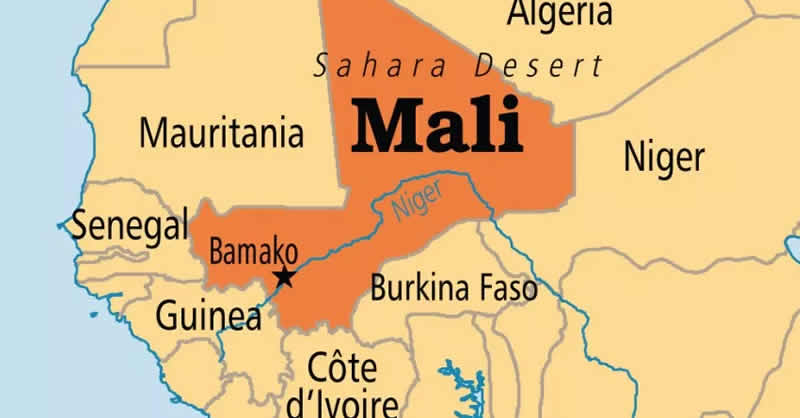
The United States and the African Union have strongly condemned a wave of coordinated attacks by armed terrorist groups that targeted military positions across Mali on Saturday, including in the capital, Bamako, and several other cities.
Mali’s army reported that unidentified armed terrorist groups launched simultaneous assaults early Saturday morning, around 6 a.m. local time. Fighting erupted near the key Kati military base, home to important barracks and the residence of junta leader General Assimi Goïta, as well as areas close to Modibo Keita International Airport in Bamako. Clashes were also reported in northern cities such as Gao and Kidal, and in the central town of Sévaré in the Mopti region.
Witnesses described explosions, sustained gunfire, and military helicopters overhead as security forces responded. The Malian army stated that the attackers suffered heavy setbacks, with several neutralised and sweep operations underway. Authorities urged calm and warned against spreading unverified information. No group has yet claimed responsibility, though such multi-location operations have historically been linked to jihadist networks like JNIM, an al-Qaeda affiliate active in the Sahel.
The United States strongly condemned the attacks, with the U.S. Bureau of African Affairs expressing deepest condolences to the victims, their families, and all those affected. Washington reaffirmed its commitment to supporting efforts to advance peace, stability, and security across Mali and the wider region. The U.S. Embassy in Bamako also issued a security alert, advising American citizens to shelter in place and avoid travel to affected areas such as Kati and the airport.
The African Union also voiced deep concern over the attacks, warning that they risk exposing civilian populations to significant harm. AU Commission Chairperson H.E. Mahmoud Ali Youssouf strongly condemned the violence and expressed full solidarity with the Malian people, government, and security forces. He reaffirmed the AU’s commitment to peace, security, good governance, and stability in Mali and the Sahel.
Casualty figures remain unconfirmed as operations continue, with the situation described as fluid. The army, however, reports that it is being brought under control in several areas.
Advertisement
Mali has grappled with jihadist insurgencies, ethnic tensions, and political instability for over a decade, particularly since successive military coups. The current junta has partnered with Russian forces to combat armed groups, but large-scale attacks on military targets persist amid broader regional insecurity in the Sahel.
The incident is seen as one of the more ambitious coordinated operations in recent years, highlighting the continued threat to Mali’s security apparatus in both urban centres and remote areas.