
14 Killed As Protests Over Social Media Ban In Nepal Turn Violent
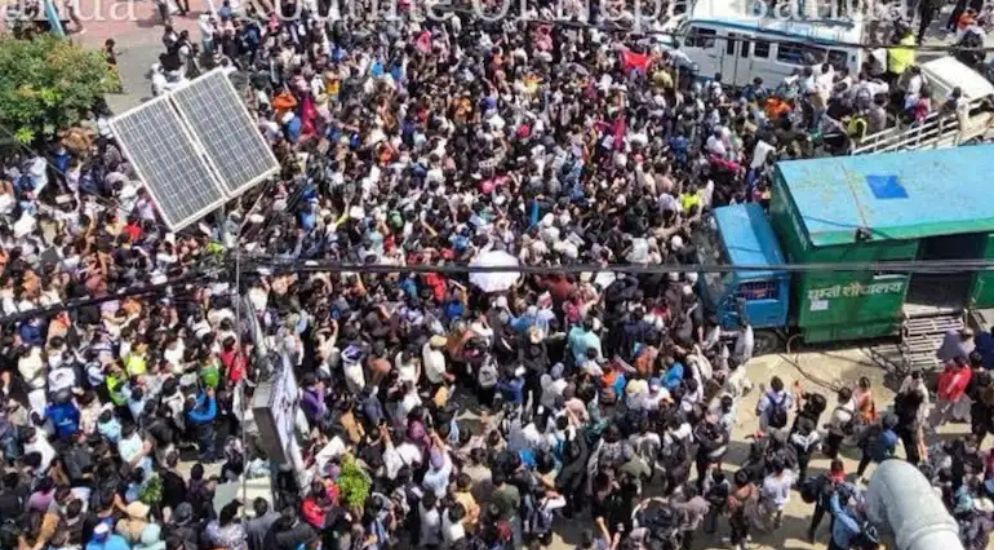
At least 14 people were killed on Monday as protests against Nepal’s social media ban led to violent clashes in the capital, Kathmandu.
Police fired rubber bullets, tear gas, and water cannons to disperse thousands of demonstrators demanding the restoration of access to online platforms and an end to corruption.
Authorities had blocked 26 unregistered platforms, including Facebook, YouTube, and X, on Friday, sparking widespread anger and confusion.
Despite the restrictions, TikTok remains accessible, where videos contrasting the struggles of ordinary citizens with the lavish lifestyles of politicians’ children have gone viral.
Police spokesman Shekhar Khanal confirmed the death toll and said at least 100 people were injured as crowds pushed through barbed wire barricades and entered restricted zones near parliament.
The unrest forced the administration to impose a curfew around key sites, including the prime minister’s office, the president’s residence, and parliament.
Advertisement
The violence spilled into Civil Hospital, where doctors struggled to treat the wounded as tear gas seeped into the compound.
“I have never seen such a disturbing situation,” said hospital official Ranjana Nepal.
The protests, which began with demonstrators waving national flags and singing the anthem, quickly escalated as students and young people led chants against what they described as government authoritarianism.
“We were triggered by the social media ban, but this is also about corruption that has been institutionalised in Nepal,” 24-year-old protester Yujan Rajbhandari told AFP
Another protester, 20-year-old Ikshama Tumrok, added: “We want to see change. Others have endured this, but it has to end with our generation.”
Advertisement
Similar demonstrations were reported in other districts across the country.
The government has defended its decision, citing a Supreme Court order last year requiring online platforms to register locally, designate grievance officers, and comply with Nepali regulations.
In a statement on Sunday, officials insisted they respected freedom of expression and were committed to protecting it, while maintaining that registration rules must be followed.
Nepal has previously restricted platforms, including a nine-month ban on TikTok that was lifted in August last year, and a July suspension of Telegram over online fraud concerns.