
Iran Halts Hormuz Oil Traffic After Israeli Strikes In Lebanon
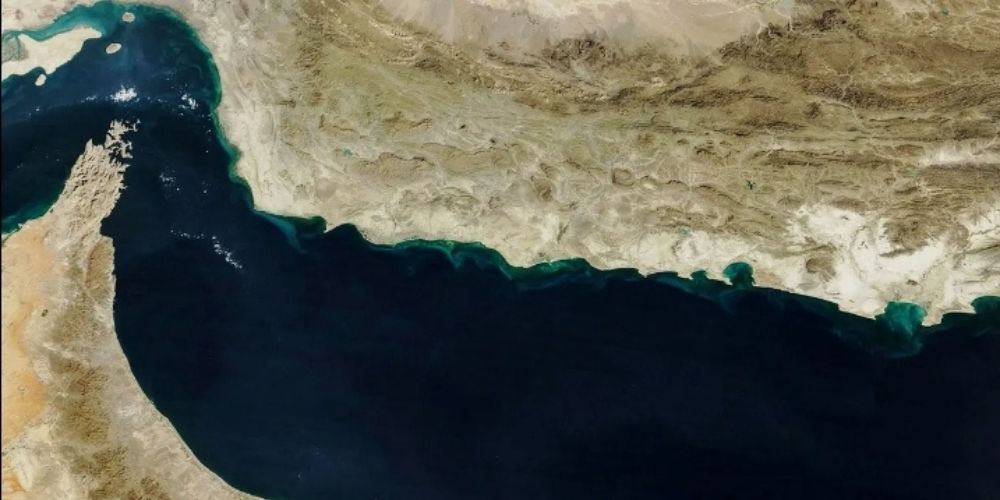
Iran has suspended oil tanker traffic through the Strait of Hormuz following Israeli airstrikes on Hezbollah targets in Lebanon.
The move was announced by Iran’s semi-official Fars News Agency on Wednesday, shortly after a ‘fragile’ two-week ceasefire between the United States and Iran took effect.
Earlier in the day, two tankers were allowed to transit the strait after obtaining explicit permission from Iranian authorities.
The Israel Defense Forces carried out its largest coordinated airstrikes against Hezbollah since the start of Operation Roaring Lion.
Around 50 fighter jets dropped approximately 160 bombs on more than 100 targets in Beirut, the Beqaa Valley, and southern Lebanon within 10 minutes.
Targets included command centers, headquarters, intelligence facilities, and infrastructure. Israeli officials described the operation as planned weeks in advance to dismantle Hezbollah’s operational capabilities.
Advertisement
Lebanese health authorities reported casualties, though figures remain unconfirmed.
The US-Iran ceasefire, brokered by Shehbaz Sharif and Asim Munir, does not extend to Israeli operations in Lebanon.
Pakistan’s Sharif described the truce as applying everywhere, including Lebanon, while Iran views continued Israeli action against Hezbollah as a violation.
Iranian Foreign Minister Abbas Araghchi raised concerns during a phone call with Pakistan’s army chief, praising Pakistan’s mediation efforts.
The Strait of Hormuz carries roughly one-fifth of the world’s seaborne oil supply. Vessel movements were halted in parallel with the Israeli strikes, raising concerns about disruptions to global energy markets.
Advertisement
Iran has warned it may reconsider the ceasefire if Israeli strikes continue.
Negotiations between US and Iranian delegations are scheduled in Islamabad on Friday. The situation remains fluid amid ongoing regional hostilities.