
Mangrove Loss Undermines Livelihoods In N’Delta, Experts Warn
The Niger Delta risks losing more than its mangrove forests to unchecked land reclamation, pollution and development, as the destruction of the ecosystem could expose coastal communities to erosion, undermine livelihoods and threaten traditional ways of life, Emeritus Professor Winston Bell-Gam has warned.
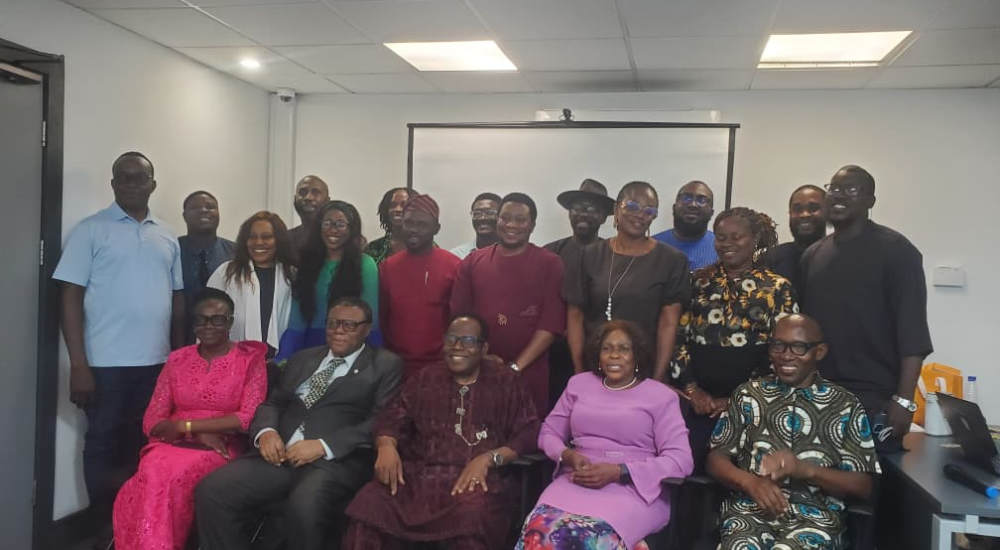
Bell-Gam, a renowned environmental planner and petroleum geologist, gave the warning in Port Harcourt during a sector spotlight organised by the Alumni UK Rivers State Chapter in collaboration with Arts in the Garden City and the Niger Delta Climate and Tech Series.
The programme, titled “Mangroves, Memory and the Future: Climate, Culture & Innovation in the Niger Delta,” brought together academics, environmentalists, climate advocates and other stakeholders to examine the relationship between the Niger Delta’s mangrove ecosystem, communities and future development.
Bell-Gam said limited land in coastal and estuarine areas had increased pressure on mangroves, as physical development often led to reclamation and canalisation.
“Any form of development, physical development, would lead to serious incursions into the mangrove,” he said, urging planners to consider the consequences of such interventions before projects are undertaken.
He said mangroves protect coastal settlements from waves and other forces of the sea, provide breeding grounds for fish and other aquatic species, store carbon and support communities whose livelihoods depend on fishing and related activities.
Advertisement
“When you reclaim mangrove ecosystems, you are depriving the people of life. When you pollute, you are also depriving them of life,” Bell-Gam said.
Drawing on his work in environmental planning and major development projects, including the Drainage Master Plan, the Bonny Master Plan and the development of an environmental management programme at the institution now known as Rivers State University, he stressed the importance of proper planning in addressing flooding and managing development.
Bell-Gam, who authored Land Reclamation and Environmental Management in 1980, said development should not be abandoned in the name of environmental protection but pursued in a way that balances economic needs with the survival of local ecosystems and communities.
He called for greater attention to the needs of Niger Delta communities, alternative energy sources for riverine residents who depend on mangrove wood for fuel, and stronger capacity-building programmes in environmental science, energy and climate resilience.
He also urged stakeholders involved in mangrove restoration to act quickly, noting that newly planted mangroves would require time to mature. He said the spread of nipa palms should be included in wider discussions on the management and utilisation of coastal vegetation.
Advertisement
Bell-Gam further encouraged professionals, including members of the Alumni UK network, to support efforts to build local expertise capable of addressing the region’s environmental and development challenges.
Professor Frank Ugiomoh, a retired Professor of History of Art and Theory, called for a change in how people perceive their relationship with nature.
Drawing from actor-network theory associated with Bruno Latour, Ugiomoh argued that human beings should not regard themselves as masters of the environment because their actions affect other inhabitants of the ecosystem, while environmental changes ultimately affect human life.
“What we canvass is that all actions should be beneficial, both between the inanimate object and the animate object, so that usually environment will give us a balance needed for the ecosystem to continue to grow in a way that is beneficial for everybody,” he said.
Ugiomoh also cautioned against assuming that nature would always follow familiar seasonal patterns, saying changing climate and environmental conditions had exposed the limitations of human assumptions and made responsible stewardship increasingly important.
The Chapter Lead of Alumni UK Rivers State, Andrew Banigo, said the initiative was designed to connect Nigerians educated in British institutions with opportunities to apply their knowledge and experience to local challenges.
Advertisement
Banigo said the mangrove conversation was the first in a planned series of sector-focused engagements aimed at producing practical impact in Rivers State and the wider Niger Delta.
The co-convener of the Niger Delta Climate and Tech Series and founder of Impact Driver Nigeria Limited, TamunoEmi Oyibo, said the collaboration would move beyond discussions to interventions that could be measured.
Oyibo said the initiative would support climate technology start-ups, bring together academics, government institutions, professionals and advocacy groups, and explore partnerships in areas such as education and community development.
The speakers agreed that the Niger Delta’s environmental challenges require collaboration across disciplines and sectors, with stronger links between scientific knowledge, traditional community experience, government policy, private-sector investment and climate innovation.
The Alumni UK Rivers State Chapter said the mangrove-focused event was the beginning of further engagements aimed at connecting expertise with practical solutions to some of the region’s most pressing development challenges.