
Nigeria, Finland Seal Digital Economy Pact To Boost Innovation
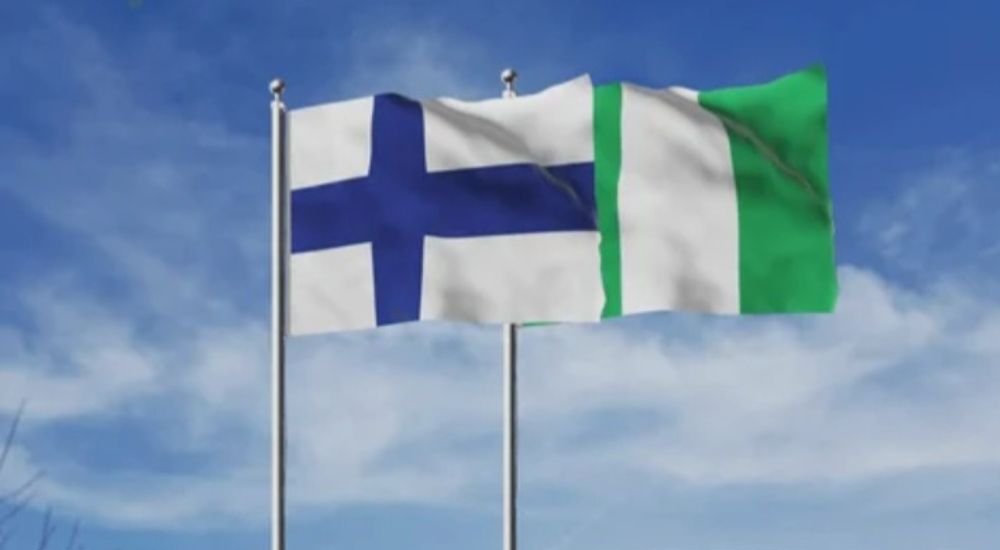
Nigeria and Finland have signed a Memorandum of Understanding on digitalisation and innovation, formalising a new phase of bilateral cooperation aimed at accelerating digital transformation, strengthening innovation ecosystems and improving public service delivery in Africa’s largest economy.
The agreement was signed in Abuja by Nigeria’s Minister of Communications, Innovation and Digital Economy, Bosun Tijani, and Finland’s Under-Secretary of State for International Trade, Jarno Syrjälä, according to a statement issued on Tuesday by the Embassy of Finland in Nigeria through its Press and Communications Officer, Maria Ruuskanen.
Under the agreement, both countries will collaborate in key areas of the digital economy, including digital government, emerging technologies, cybersecurity, digital public infrastructure, innovation ecosystems and capacity building.
The partnership is expected to provide a framework for knowledge exchange, institutional cooperation and private sector engagement as both nations seek to harness technology to drive growth and inclusion.
Officials from both sides said the pact reflects a shared commitment to using digital transformation as a tool for economic development, better governance and broader access to innovation-led opportunities.
The cooperation is also expected to support efforts to build stronger institutions, improve service delivery and expand digital skills in line with Nigeria’s broader ambition to develop a more competitive and inclusive digital economy.
Advertisement
Tijani described the signing of the MoU as a significant milestone in the growing relationship between Nigeria and Finland, saying it reinforces ongoing efforts to create a technology-driven economy that can deliver sustainable benefits for citizens and businesses alike.
He said the agreement marked an important step in deepening ties between both countries as they work to build a more inclusive, innovation-driven digital economy. According to him, the understanding reached by the two countries builds on earlier engagements held in Helsinki, where discussions focused on digital infrastructure and wider areas of collaboration.
The minister expressed confidence that the partnership would unlock meaningful opportunities and serve as a catalyst for sustainable growth and shared prosperity, underscoring Nigeria’s intention to leverage international cooperation to fast-track reforms and strengthen its digital ecosystem.
Syrjälä, on his part, said Finland remained committed to supporting Nigeria in building a resilient and inclusive digital environment, noting that digitalisation delivers its greatest benefits when it empowers people, strengthens trust and creates fresh opportunities for innovation.
He said Nigeria continues to be a key partner for Finland in Africa and added that the MoU offers a solid foundation for cooperation not only between governments, but also among public institutions, research bodies and the private sector.
His remarks point to a broader intention by both countries to ensure that the agreement translates into practical projects and long-term institutional engagement.
Advertisement
The signing also comes amid expanding European support for Nigeria’s digital development agenda. Finland is set to lead a €23m Team Europe Initiative designed to strengthen Nigeria’s digital public services and support implementation of the Federal Government’s 3 Million Technical Talent programme.
The initiative, funded by the European Union, will be implemented by Finland’s development agency, HAUS, in partnership with Estonia’s development agency, ESTDEV, according to Finland’s Ambassador to Nigeria, Sanna Selin.
The programme forms part of the wider EU-Nigeria Digital Economy Package under the Global Gateway strategy, which seeks to enhance digital governance, boost technical skills and promote inclusive digital growth.
The latest agreement therefore positions Finland as an increasingly strategic partner in Nigeria’s digital transformation drive, especially at a time when the Federal Government is pushing reforms to modernise public services, expand broadband access, deepen innovation capacity and equip young Nigerians with technology-focused skills.
Analysts say such partnerships could play an important role in helping Nigeria close infrastructure and skills gaps in the digital sector while opening new channels for investment, knowledge transfer and international cooperation.
With digital technology now central to economic competitiveness, the MoU signals both countries’ intention to move beyond diplomatic goodwill toward more structured collaboration in building a modern and innovation-led economy.
Advertisement