
OPINION: Fixing Nigeria Starts With Fixing States
Nigeria’s development challenge is not merely a national dilemma. It is fundamentally a subnational issue that reflects deeper structural distortions within the federation. The federating units, which should function as engines of growth and hubs of innovation, have frequently underperformed due to institutional weaknesses, fiscal dependency, and limited governance capacity.
If Nigeria must truly unlock its vast economic and human potential, then deliberate attention must shift toward strengthening states as the primary drivers of sustainable development, productivity, and long-term national transformation.
For decades, an over-centralised governance system has suppressed initiative, weakened accountability, and constrained policy creativity at the state level. Many states became heavily reliant on federal allocations instead of building resilient, diversified, and productive local economies. This pattern discouraged innovation, reduced competitiveness, and slowed socio-economic advancement. A clear and strategic shift is therefore necessary. States must transition from dependency to productivity, with a renewed focus on economic diversification, efficient resource management, and structured growth.
The path forward lies in strengthening institutions and adopting pragmatic, result-oriented governance approaches. Each state possesses distinct comparative advantages in agriculture, commerce, natural resources, and human capital development. Unlocking these opportunities requires visionary leadership, coherent policy frameworks, and disciplined execution. It also demands the removal of bureaucratic constraints and the creation of an enabling environment that actively promotes investment, entrepreneurship, industrialisation, and enterprise sustainability.
In this evolving context, Abia State provides a relevant and instructive example of how deliberate reforms can begin to yield measurable and visible results. Without overstating its progress, the state has recorded notable improvements in revitalising commercial activity, supporting small and medium-scale enterprises, and upgrading critical infrastructure, particularly within key economic clusters such as Aba. While challenges persist, these reform-driven efforts demonstrate that purposeful leadership, strategic planning, and policy consistency can reposition a state toward sustainable growth, increased productivity, and renewed investor confidence.
It is equally important to advance fiscal federalism beyond rhetoric into actionable and practical implementation. States should have greater control over their resources while upholding strong standards of transparency, accountability, and prudent fiscal management. This balanced framework will promote healthy competition, strengthen governance institutions, and stimulate innovation across the federation. At the same time, sustained investment in education, healthcare, technical skills acquisition, and critical infrastructure remains essential for inclusive growth and long-term socio-economic stability.
Advertisement
Ultimately, Nigeria’s future will be shaped by how effectively its states perform and respond to the evolving demands of governance and development. The emerging progress in Abia, alongside similar reform-oriented efforts in other forward-looking states, illustrates that meaningful transformation is both possible and achievable. Fixing Nigeria begins with building stronger, more capable states that can govern efficiently, drive inclusive economic expansion, and deliver tangible, lasting improvements in the quality of life for their people.
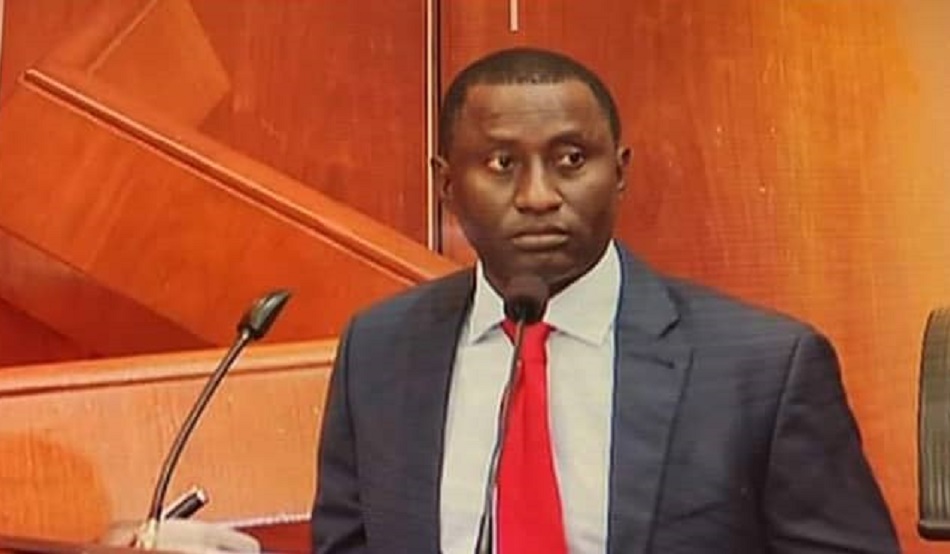
-Dr Uchechukwu Sampson Ogah, former Minister of State for Mines and Steel Development, writes from Onuaku, Uturu, Isuikwuato, Abia State