
Women With Disabilities Face Persistent Healthcare Barriers, Advocate Warns
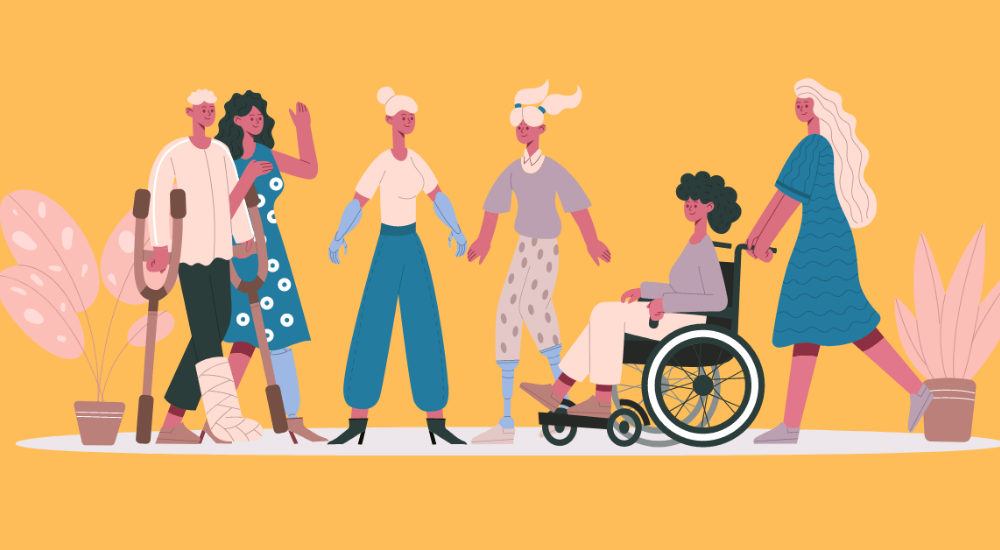
Ms Kyenan Mizim, North-Central Coordinator of the Network of Women with Disabilities, has raised concerns over persistent barriers preventing women with disabilities from accessing quality healthcare services independently across the country.
Mizim said this in an interview with the News Agency of Nigeria (NAN) in Abuja on Monday, saying persons with disabilities continued to face challenges that hindered equitable healthcare access.
She identified attitudinal, infrastructural and healthcare access barriers as major obstacles, noting that discrimination from some members of society and healthcare workers remained a significant concern for many women.
According to her, some women with disabilities experience negative comments and prejudicial treatment when seeking medical care, discouraging them from accessing healthcare services and affecting their overall wellbeing.
She also said many healthcare facilities were not adequately equipped to meet the needs of persons with disabilities, making it difficult for them to access services safely and independently.
Advertisement
Mizim said that narrow toilet passages in hospitals and healthcare facilities posed serious challenges for wheelchair users, limiting their ability to use such facilities without assistance.
She explained that when passages are too narrow, wheelchair users might struggle to manoeuvre, turn or enter toilets safely, increasing the risk of accidents and compromising their dignity.
“Hearing-impaired people go to hospitals and there are no sign language interpreters to communicate with them. For visually impaired persons, there are no braille labels on medicines, making it difficult for them to know what medication they are taking,” she said.
Mizim recounted the experience of a visually impaired woman who unknowingly received the same medication twice because she could not identify the drugs, resulting in adverse consequences.
She also identified non-adjustable hospital beds as another major challenge, particularly for wheelchair users who often required accessible equipment to receive care comfortably and independently.
Advertisement
According to her, the absence of adjustable beds frequently meant women using wheelchairs must be physically lifted onto hospital beds, thereby reducing their independence and dignity during treatment.
Mizim called for the training of healthcare workers on disability inclusion, emphasising that persons with disabilities should be actively involved in such programmes to explain their specific needs.
She also advocated the provision of sign language interpretation services and braille labels on medicines and other health-related materials to improve accessibility for persons with disabilities.
The advocate urged relevant authorities to equip healthcare facilities with appropriate infrastructure and equipment, including adjustable beds, while removing barriers that limited independent access to healthcare services.
She further called for inclusive research involving persons with disabilities to identify existing gaps and develop practical solutions that accurately reflect their experiences and healthcare needs.
“The people affected by these issues should be part of the conversations and the trainings because they are the ones who can properly explain what they need and report discrimination when it occurs,” she said.
Advertisement
Mizim urged stakeholders in the health sector to prioritise equity in healthcare delivery, emphasising that disability should never become a barrier to receiving quality, accessible and dignified healthcare services.